




Head of Online Medical Content

Audiology Expert & Founder of Hearing Aid UK

New and Latest Oticon Hearing Aids 2026
Discover the new and current Oticon hearing aid ranges
Overview | What's current? | Oticon Reveal | Oticon Zeal | Oticon Own SI | Oticon Intent | Other Oticon Hearing Aids | Conclusion
Latest Hearing Aid UK Update: 06/10/2026
Overview
Oticon's 2026 line-up spans seven ranges, from the brand-new Oticon Reveal, the Zeal, their newest and most feature-rich custom aid, through to the Xceed, built specifically for severe to profound hearing loss. This page explains what each range actually offers briefly and, more importantly, how to work out which one might suit your hearing loss and lifestyle, before you look at a single price list.
Oticon 2026 Hearing Aids
Current hearing aid ranges available from this brand
Oticon Reveal (Launched August 2026)
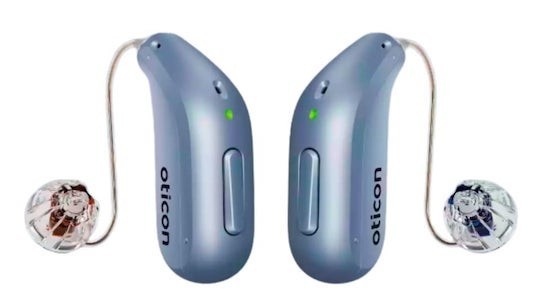
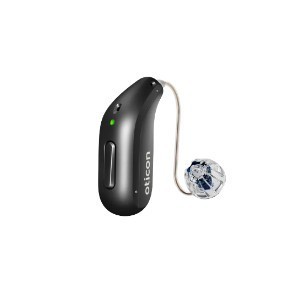
The Oticon Reveal is Oticon's newest flagship and the biggest change to its line-up this year. Oticon describes it as the first hearing aid to run two dedicated AI systems at once. Speech AI clarifies the voices around you, while Context AI keeps everyday sounds like footsteps and traffic natural and present.
That's aimed at a common frustration. Many hearing aids make conversation clearer but leave the rest of the world sounding muted. Reveal is Oticon's attempt to keep both.
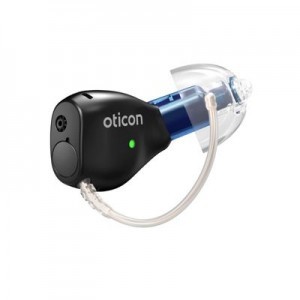
Reveal is a rechargeable Receiver-in-Canal (RIC) hearing aid, available in four technology levels. It streams from iPhone and Android, supports Bluetooth LE Audio and Auracast, and includes a telecoil. Other new features, as described by Oticon, include:
- Reveal Optimiser, a new feedback-management system that Oticon states gives up to 25 dB more gain than top competitors
- Wind & Handling Stabiliser 2.0, which Oticon states reduces wind and handling noise by up to 40 dB
- Improved streaming, which Oticon states offers 53% better stability and up to 32% greater range
- All-day rechargeable power, with a portable SmartCharger available
- A matching Oticon CROS RE is also available for people with unaidable hearing loss in one ear.
- Oticon states Reveal produces a 60% stronger brain response than Intent and that 94% of users in its testing preferred Reveal.
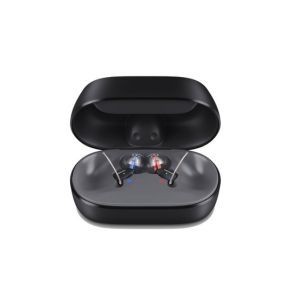
Oticon Zeal hearing aids
The Oticon Zeal introduces something genuinely new in the hearing aid world: the first In-the-Ear hearing aid that doesn't force you to compromise on the features that matter.
For years, choosing a discreet hearing aid meant accepting limitations: no rechargeable batteries, basic sound processing, limited connectivity. The Zeal eliminates all these compromises in one rather clever package.
Currently only available in one tech level, the Zeal 1, this isn't just a smaller version of existing technology with features removed to fit the space.
It's a complete rethink of what an In-the-Ear hearing aid can be, using the same premium AI sound processing found in Oticon's Intent range whilst maintaining genuine discretion.
If you've been putting off getting help with your hearing because you're concerned about visibility, or if you've been frustrated by in-the-ear hearing aids that couldn't keep up with your lifestyle, the Zeal changes the equation entirely.
Oticon Own SI hearing aids
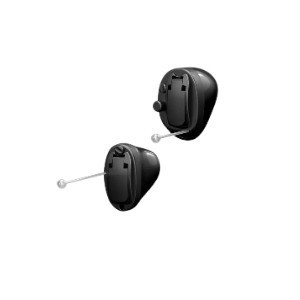
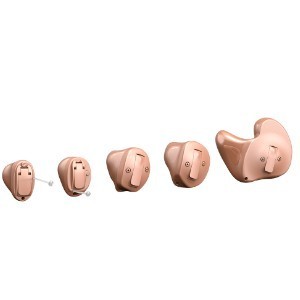
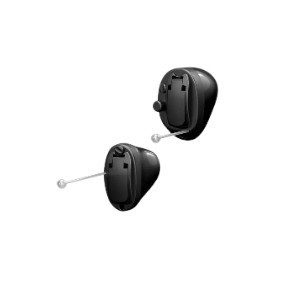
The Own SI is custom-made to fit your ear canal, powered by the Sirius platform with DNN 2.0 and BrainHearing technology. Available in CIC and IIC formats, it's one of the most discreet hearing aids Oticon offers. The key limitation to be aware of is that due to its tiny size, it doesn't offer Bluetooth or app connectivity, so if smartphone streaming matters to you, the Intent range would be a better fit.
Oticon Intent hearing aids
In February 2024, Oticon introduced its most advanced hearing aid yet: Oticon Intent. Oticon's latest hearing aid model marks a significant advancement in their technology, delivering a notable improvement in speech understanding, with a noted increase in SNR (Signal-to-Noise Ratio).
Oticon states that, compared to Oticon Real, Intent offers 10% better listening comfort, 10% improved sound quality, and 13% finer nuances within the soundscape, along with an improved frequency response for a richer sound experience all round.
With a focus on understanding individual users, Intent integrates a second-generation Deep Neural Network (DNN) 2.0 and introduces pioneering 4D sensor technology on the Sirius platform. Oticon states its MoreSound technology offers precise amplification across a wider frequency range than previous models.
Powered by the advanced Sirius chip, Intent supports Bluetooth LE Audio and Auracast for enhanced connectivity and future compatibility. Its sleek rechargeable RIC design (Oticon's smallest to date) features a large lithium-ion battery for improved charge on the go.
"Intent is genuinely clever; the sensor technology adapts to what you're actually doing, not just where you are. But most people don't need to start there. Zircon or Own cover the fundamentals very well for a lot of hearing loss patterns. Intent earns its price if you're someone who moves through a lot of different listening situations in a single day."
Paul Harrison, Audiology Expert & Founder, Hearing Aid UK
Other Oticon Hearing Aids
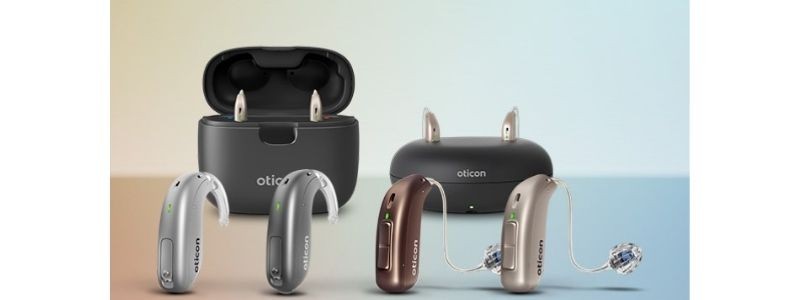
What else is available from Oticon?
Oticon Own hearing aids
Back in 2021, Oticon launched the More hearing aid range, which boasted BTE models with a new operating system. But this release did not appeal to ITE hearing aid wearers, and this new technology wasn't accessible in this type of style. That is, until now.
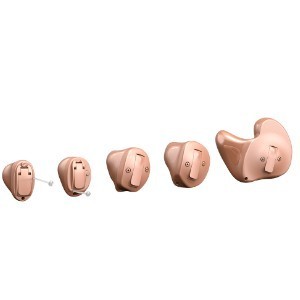
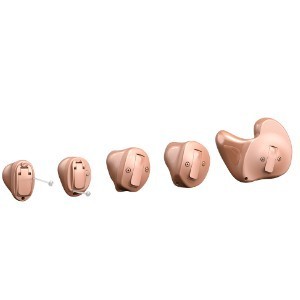
Oticon states that Own is the world's first custom aid to include onboard Deep Neural Network AI technology (DNN). This means it is really good at recognising and understanding everyday sounds, not just speech. Oticon states this is because it's a network built on 12 million sounds recorded globally.
All the Oticon Own hearing aids provide exactly the same features as the Oticon More, but in an ITE model, and they also don't connect with the CROS system. Bluetooth connectivity is only available in the ITC and both ITE models, as the IIC and CIC styles are non-wireless.
None of the Oticon Own hearing aids is rechargeable, though, and because there are only two styles that have Bluetooth connectivity, you'll have to choose between features and size.
There are five ITE hearing aid styles, five colours, and five performance levels. This technically means that there is a style, performance, and colour that suits your needs.

Oticon Zircon hearing aids
Launched in March 2022, Oticon introduced Zircon hearing aids to the industry - their new essentials range. Oticon Zircon hearing aids, powered by the Polaris platform, also include some technical favourites seen in Oticon More: BrainHearing technology and 360° speech are two great examples. Offering clear sound and focus from all directions, even in those challenging listening situations for wearers.
Oticon Xceed hearing aids
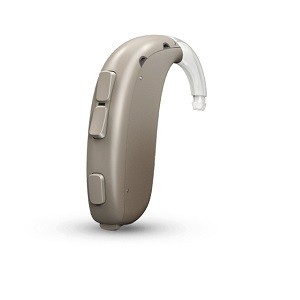
If you have severe to profound hearing loss, the Oticon Xceed is worth knowing about. This is Oticon's most powerful hearing aid, designed specifically for people who need substantial amplification that smaller aids simply can't provide.
The Xceed uses what Oticon calls its "360° Sound" approach and OpenSound Navigator to help you understand speech even in challenging environments, which matters considerably when you're relying on significant amplification.
Available in both Behind-the-Ear and power versions with a range of receiver options, the Xceed includes wireless connectivity and works with Oticon's full accessory range.
It's not the newest technology on Oticon's books, but it remains the most appropriate choice for people whose hearing loss is too severe for their mainstream models.
Conclusion
Oticon's 2026 lineup is refreshingly straightforward: Intent for advanced sensor technology, Zeal for capable custom aids, and Own for traditional custom options.
The Zircon handles essentials nicely, whilst Xceed manages severe to profound losses. What sets Oticon apart is its approach of giving your brain access to a fuller sound scene rather than aggressively filtering everything.
This works brilliantly for some people and takes adjustment for others; it's a genuine philosophical difference from manufacturers who focus heavily on directional processing.
Don't wait for predicted releases if you need help now. The current ranges are sophisticated enough to serve you well for years, and specification sheets only tell you so much.
What matters is how they actually work for your specific hearing loss in the environments you spend time in, which means trying them in real situations rather than making decisions based purely on marketing materials.
Get genuinely independent advice on Oticon hearing aids. Book a free hearing test at a local clinic or during a home visit, no pressure, no obligation, just honest guidance from an HCPC-registered audiologist. Call free on 0800 567 7621.
Why Choose Us?
- FREE Hearing Tests
- Best Hearing Aids and Prices
- FREE Aftercare for Life
- FREE Home Visits
- FREE Clinic Appointments
- 200+ Local Audiologists
- 60 Day Money Back Guarantee
Want more information on the latest Oticon hearing aids 2026?
If you're trying to work out whether the Intent, Zeal, Real, or Own SI range suits your specific situation - or whether Oticon is right for you at all - we can help.
Our audiologists aren't tied to any particular manufacturer, which means you'll get honest advice about whether Oticon's technology matches your hearing loss and lifestyle, rather than a sales pitch.
We can arrange a free hearing test either at a local clinic or in your own home, whichever works better for you.

Other hearing aid technology articles you might like...
 Phonak EON Sphere vs Phonak Infinio Ultra Sphere
  Phonak Infinio Ultra Sphere i90 vs Unitron Smile Moxi RX 9
  Rugged Hearing Aids
 Watch the latest Oticon hearing aids for 2026 in the video below
What's included in our hearing aid prices?
Our specialist service includes:
Do not spend hundreds of pounds without getting a second opinion from us.
Please call us on 0800 567 7621
 Not only are the prices great, but the service is fantastic! Many thanks to your team.
Discover the latest Oticon hearing aids of 2026

Latest Oticon hearing aid FAQs
What is the newest Oticon hearing aid in 2026?
The newest Oticon hearing aid is Oticon Reveal, launched in August 2026. It’s a rechargeable Receiver-in-Canal (RIC) hearing aid available in four technology levels, Reveal 1 to Reveal 4, and Oticon describes it as using two AI systems working together to help with speech and changing surroundings.
Where can I get Oticon Reveal hearing aids in the UK?
Hearing Aid UK supplies and professionally fits all four Oticon Reveal technology levels throughout the UK. Each pair is fitted and fine-tuned in person by an HCPC-registered audiologist, either at one of our 93+ local clinics or during a free home visit.
What is the difference between Oticon Reveal and Oticon Intent?
Oticon Reveal is Oticon’s newest range, built around two AI systems that Oticon says work together, while Oticon Intent, launched in February 2024, uses sensors that Oticon says adapt to what you are doing as well as where you are.
Both are rechargeable, both are still current, and Intent remains a strong option for many people, so your audiologist can help you compare them based on your own hearing and lifestyle.
Which Oticon hearing aids are rechargeable?
Oticon Reveal, Oticon Intent and Oticon Zeal are all rechargeable, while the custom Oticon Own and Own SI ranges use standard hearing aid batteries. If you’d prefer not to change batteries, a rechargeable hearing aid is worth mentioning to your audiologist at your appointment.
Can I try Oticon Reveal before deciding to keep it?
Every Oticon Reveal hearing aid from Hearing Aid UK comes after a free hearing test with a qualified audiologist and is covered by our 60-day money-back guarantee, so you can try it in your everyday life before deciding to keep it.
Ask the Experts

Get free independent impartial advice from the experts you can trust. We offer nationwide coverage and huge savings on all our hearing aids.
6 Morton Lane
Walkwood
Redditch
Worcestershire
B97 5QA
Latest Launch
When we refer to a product as 'Latest Launch', we mean it is the latest to be released on the market.
New
When we refer to a product as 'New', we mean that the product is the newest hearing aid model on the market.
When we refer to a product as 'Superseded', we mean that there is a newer range available which replaces and improves on this product.
Older Model
When we refer to a product as an 'Older Model', we mean that it is has been superseded by at least two more recent hearing aid ranges.