




Head of Online Medical Content

Audiology Expert & Founder of Hearing Aid UK
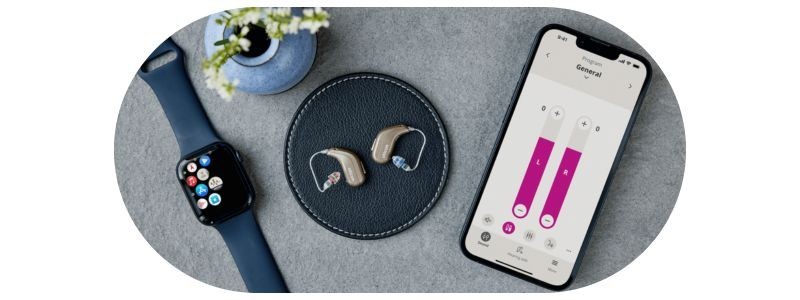
Top 5 Best Hearing Aids of 2026 by Our Audiologists
Are you looking for the best hearing aids available this year?
Latest Hearing Aid UK Update: 06/10/2026
Overview
Finding the best hearing aids can naturally feel overwhelming, and with dozens of manufacturers claiming to have the "best" technology and hundreds of models to choose from, where do you begin?
This isn't about listing every available option; it's about identifying the genuine standouts in categories that matter. We've focused on aids that solve real problems, whether that's clear speech clarity in restaurants, all-day comfort, or simply getting premium technology without premium pricing.
These are hearing aids that you can buy and have professionally fitted through Hearing Aid UK, with independent advice from our HCPC-registered audiologists, appointments at our UK clinics and free home visits. So, which hearing aids are actually worth considering in 2026?

The Best Overall Hearing Aids of 2026
Oticon Intent 1
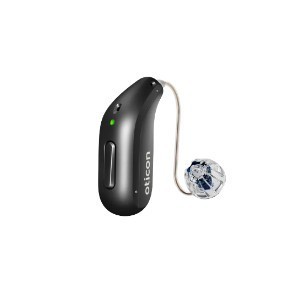
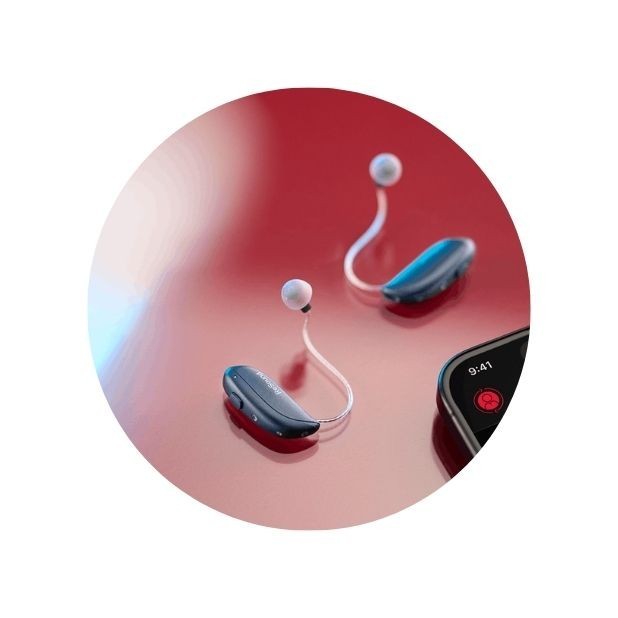
The Oticon Intent 1 combines Oticon's renowned BrainHearing technology with advanced 4D Sensor capabilities. In our view, after more than 20 years advising people on hearing aid choices, the Intent 1 is the most context-aware hearing aid currently available.
This isn't just marketing speak; Oticon's BrainHearing approach is designed around how the brain naturally processes sound, and it makes a genuine difference to how natural your hearing feels.
Here's where things get really interesting: Intent 1 doesn't just process what you hear; it knows what you're doing when you hear it. The 4D Sensor technology monitors your head movements, body activity, and even your conversation patterns in real-time.
When walking on a lively street, the aids know and adjust accordingly, and when having a quiet chat at home, they adapt seamlessly too.
In reality, it's as if you have a hearing aid that actually understands your lifestyle rather than just responding to sound levels.

Deep Neural Network (DNN) 2.0
The Intent 1 uses Deep Neural Network (DNN) 2.0, first seen in More, which sounds very advanced but essentially means Oticon reports the system was trained on millions of real-world sound scenes to help the aids distinguish between speech you want to hear and noise you don't, even in the most difficult settings.
This training helps them distinguish between speech you want to hear and noise you don't, even in the most difficult settings.
One of the cleverest features is how Intent 1 learns your preferences over time. For instance, if you consistently turn down certain types of sounds or favour particular listening situations, the hearing aids remember and start making those adjustments automatically.
This means your hearing aids actually get better at helping you the longer you wear them; they learn and become more intuitive, which is how all technology should work, but rarely does.

Who should consider Oticon Intent 1?
This hearing aid is ideal for people who lead varied, active lives and find themselves in different listening situations throughout the day.
If you're someone who goes from quiet home environments to busy restaurants to outdoor activities, the Intent 1's capability to automatically adapt to these changing conditions could make a real difference to daily life.
If your day looks different every day and previous hearing aids have worked well in some situations but poorly in others, this is worth serious consideration.

Why wouldn't you buy the Intent 1?
- You might be paying for advanced sensor technology that many people simply don't need. If your days are relatively predictable, such as being mostly at home, with the occasional outing, and similar environments, you'd be paying premium prices for features you won't fully use. The Intent 1 is brilliant if you need it, but that doesn't mean everyone does
- If budget is a priority or your hearing loss is milder, you might want to look at other hearing aid brands or consider Zircon, Oticon's essential line.
- These devices are only available in rechargeable models (both RIC, which stands for Receiver-in-Canal, and BTE, which stands for Behind-the-Ear); this might be a dealbreaker if you prefer the ease and adaptability of disposable batteries.
- Oticon Intent hearing aids were launched without In-Ear products, so if you are looking for this type of hearing aid, and you like Oticon's open sound, check out the Oticon Own, without Bluetooth, or the Oticon Zeal CIC model, which stands for Completely-in-Canal, model below.
"One thing I'd want anyone reading this page to know: none of these recommendations are influenced by manufacturer relationships. We buy from all of them, we're tied to none of them, and the only thing that guides what goes on this list is whether it genuinely helps people hear better in the situations that matter to them."
Paul Harrison, Council Member, British Society of Hearing Aid Audiologists (BSHAA) 2015–2020, and Audiology Expert at Hearing Aid UK
Oticon's best ITE alternative
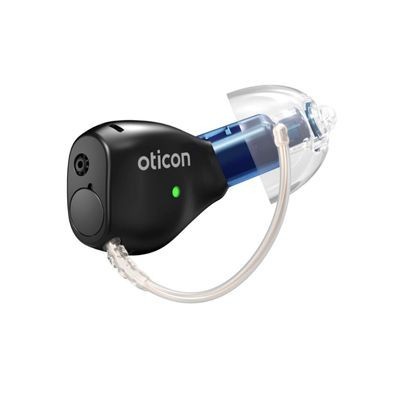
For those who want everything the Intent 1 offers but in a virtually invisible package, there's the Oticon Zeal to consider. Oticon describes the manufacturing process as using encapsulation technology similar to that used in medical device production, packing full-featured hearing aid technology into a surprisingly compact device that sits comfortably in your ear canal.
According to Oticon, the Zeal uses the same processor and speaker unit as Oticon's Intent miniRITE hearing aids, so you're getting Receiver-in-Canal (RIC)- quality sound from an In-Ear device. It features the same powerful BrainHearing philosophy and second-generation Deep Neural Network (DNN 2.0) technology, but in a model that's genuinely difficult to spot when you're wearing it.
What makes this different from traditional In-Ear hearing aids is that most custom devices ask you to sacrifice modern features for discretion.
The Zeal changes that completely. It includes Bluetooth LE Audio, hands-free calling, app connectivity, and even Google Fast Pair for Android users. Oticon states that the Zeal was the first hearing aid to offer Google Fast Pair at launch, allowing Android users to pair instantly with a single tap.
Fitting Styles: RIC, BTE
Warranty: 5 years
Chargers: Comes with charger
The Best Hearing Aids of 2026, Runner Up
Resound Vivia Pro 9
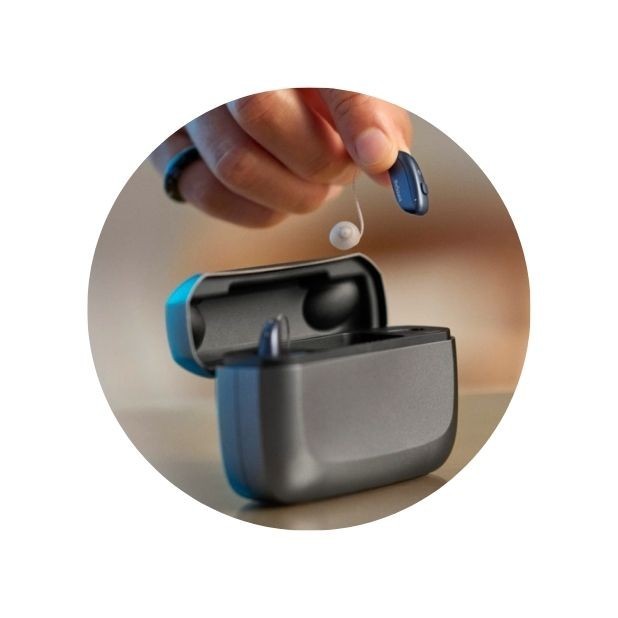
The Resound Vivia Pro 9 is one of the most compact AI-powered RIC hearing aids available, and it doesn't ask you to compromise on performance. It still packs a dedicated Deep Neural Network chip, which, according to Resound, was trained on 13.5 million real-world speech samples.
What sets Vivia apart is its Intelligent Focus feature, which, rather than just reducing background noise, mimics how your brain naturally processes sound.
For example, when you turn your head toward someone in a restaurant, Vivia focuses on their voice.
If you walk into a coffee shop, it adapts: Resound reports the system scans your environment 1,000 times per second to keep speech clear, regardless of where it's coming from.

Battery life is genuinely impressive
According to Resound, the battery life offers up to 30 hours on a full charge, or 20 hours with streaming and Intelligent Focus running constantly.
Resound states that, if you're in need of a quick boost, a 10-minute quick charge delivers 2.7 hours of use, and that's substantially better than many competing AI-powered aids.
The Resound Vivia Pro 9 is also the first hearing aid Resound states shipped with Auracast activated out of the box, rather than requiring a future firmware update as most competitors do.
With Vivia, you've got it now, which means these aids are well placed for when Auracast infrastructure becomes more widely available.
Who should consider Resound Vivia 9?
If you value discretion and are unable to wear ITE models, Vivia is genuinely one of the smallest RIC styles out there, offering powerful tech in a small, comfortable package.
Why wouldn't you buy?
The AI features are only available in the top-level technology and only in the rechargeable model. If you want smart DNN processing, you'll need to opt for this spec.
Alternatively, like Oticon, Resound offers a budget range, Resound Key, which you might want to consider if price is a concern.
Fitting Styles: RIC
Warranty: 5 years
Charger: Rechargeable is an additional £50 per aid
Best In-Ear Rechargeable Hearing Aids of 2026
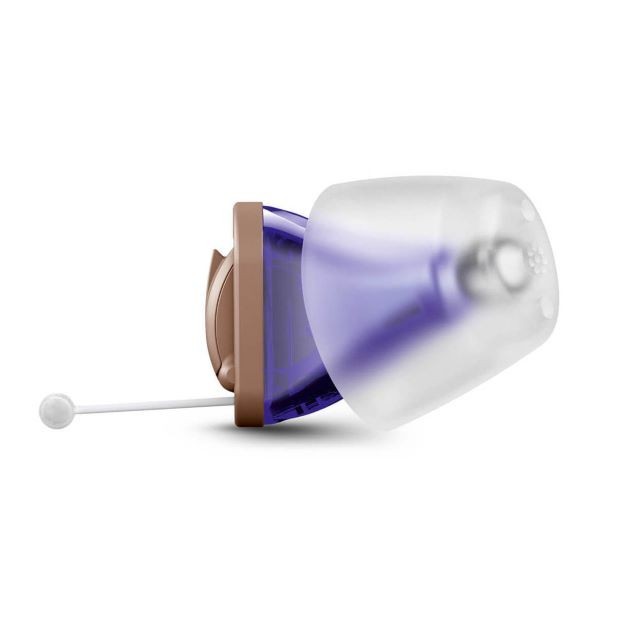
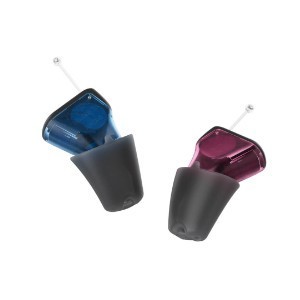
Signia Silk 7IX
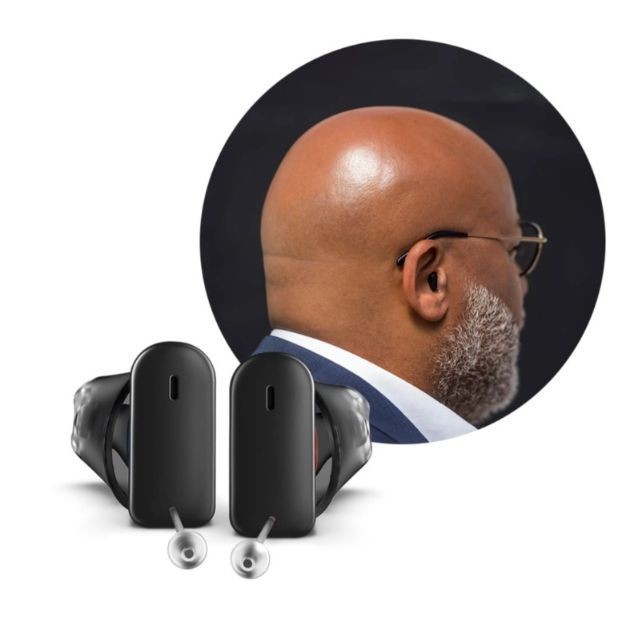
The Signia Silk Charge&Go 7IX solves a problem that's frustrated In-Ear hearing aid users for years: OCCLUSION. This is the main benefit; they are somewhat open-fitting. Occlusion stops most people from being eligible for In-Ear aids; this fixes that.
The Silk IX uses Signia's RealTime Conversation Enhancement technology, specifically designed to handle multiple people talking simultaneously in noisy environments.
The system processes sound in real time, improving the voices of everyone around you rather than focusing solely on whoever's directly in front.
This matters because real conversations are messy, with people interrupting and contributing from different directions. The IX platform handles this well, reducing the mental fatigue that usually comes with following group conversations.

Advanced rechargeability
According to Signia, the portable charging case provides up to 28 hours of use and holds four additional full charges.
This means you can go away for a long weekend without having to hunt for a plug socket, so you have the extra peace of mind this solution offers.
Another beneficial feature is Signia's Own Voice Processing 2.0, which separately processes your own voice from external sounds.
Your voice sounds natural to you, whilst everything else gets the amplification it needs. It's one of those features you don't notice when working well, but you'd definitely notice if it wasn't there.
The click sleeves come in four sizes as standard and can be changed instantly if the fit isn't quite right.
They're also replaceable, which is considerably more convenient than custom shells that need to be sent off for modification. In a nutshell, the whole system has been designed around practicality.
Who should consider the Silk Charge&Go 7IX?
This hearing aid is ideal for people who want premium hearing technology without waiting for custom manufacturing.
It's particularly good for first-time users who want to start hearing better immediately, rather than waiting 2 weeks while their hearing loss continues to affect daily life.
The instant-fit approach also makes these excellent for people whose ear canals are difficult to fit with custom devices, or anyone who values being able to adjust the physical fit themselves with different sleeve sizes.
Why wouldn't you buy the Signia Silk 7IX?
Regarding loss, Signia Silk is great for people with mild-to-moderate hearing loss but is not suitable for those with more profound hearing loss. This hearing aid isn't suitable for everyone's ear shape; therefore, please contact us so we can check your ear canal shape.
Fitting Styles: CIC
Warranty: 5 years
Charger: Charger included

Best Budget Hearing Aids of 2026
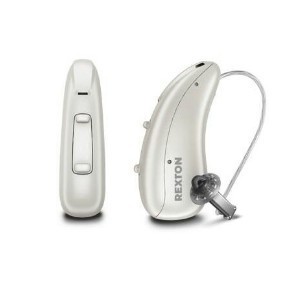
Rexton Reach 20
Something that doesn't happen often in the hearing aid world is genuinely good technology at an accessible price. The Rexton Reach 20 delivers features you'd typically find in premium hearing aids for less than half that price.
The Reach 20 uses Rexton's Multi-Voice Focus technology, which, according to Rexton, scans your environment 1,000 times per second using four focus beams, adapting automatically to changes in speaker positions and volumes.
This is especially useful when multiple people are involved in a conversation, for those times when voices drop in and out, move around, and until now, hearing aid users have struggled to catch every word.

Reliable battery life
Rexton's specifications show up to 39 hours on a single charge, which compares very well with other aids at this price point. It connects flawlessly with iPhones and Android smartphones and, according to Rexton, supports MFi, ASHA, and LE Audio protocols for effortless calls and media streaming.
Rexton rates the Reach 20 at IP68 for water and dust resistance, which means it can handle sweat, rain, and dust without complaint. Overall, great value given the price point.
Who should consider Reach 20?
Beyond the appealing price tag, Rexton Reach 20 still delivers modern features you'd expect, such as Multi-Voice Focus and Bluetooth connectivity.
It handles one-on-one conversations well and helps you follow speech when several people are talking, which covers most everyday listening situations.

Why wouldn't you buy the Reach 20?
As an entry-level device, it doesn't include some of the more sophisticated features you'd find in higher tech levels, such as advanced echo reduction, dedicated music enhancement, or the most sophisticated noise suppression in particularly difficult settings.
If you regularly find yourself in very noisy, complex listening situations, you might find that a higher technology level makes a real difference to your experience, if affordability permits.
Fitting Styles: RIC
Warranty: 5 years
Charger: Comes with charger
The Best Bluetooth Hearing Aids of 2026
Phonak Infinio Ultra Sphere i90
The Phonak Infinio Ultra Sphere i90 features a dedicated AI chip specifically designed to separate speech from noise, which brings it a long way towards catching up with the speech clarity in noise of the market leaders like Oticon.
Phonak's research suggests you are three times more likely to understand every word in noisy environments compared to not having this technology.
However, the main reason to go for these aids is how well they handle phone calls and connect with other Bluetooth devices.
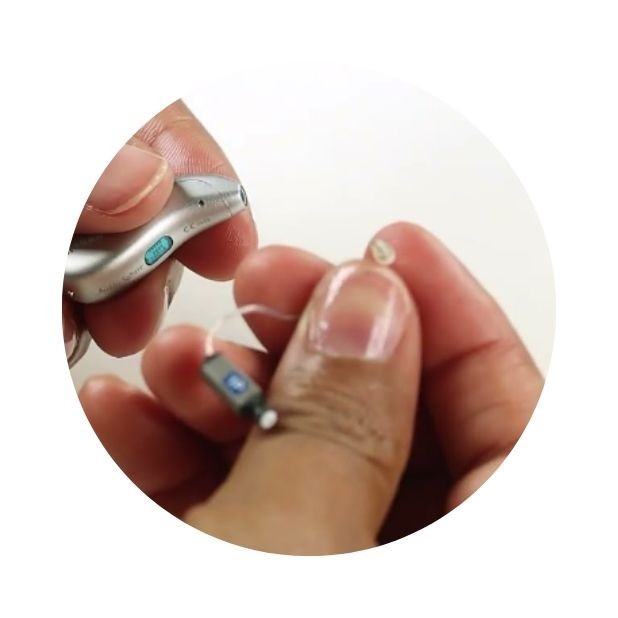
DEEPSONIC Chip
Phonak states that you're three times more likely to understand every word in noisy settings with this technology than without it. That's not a marginal improvement; it's potentially life-changing if you've been struggling in busy places.
The DEEPSONIC chip powers something Phonak calls Spheric Speech Clarity 2.0, which extracts and enhances speech from multiple speakers simultaneously, regardless of where they're positioned around you.
Unlike traditional directional microphones that focus on what's in front of you, this technology captures sound from all around you, so you can follow conversations even when people are beside or behind you.
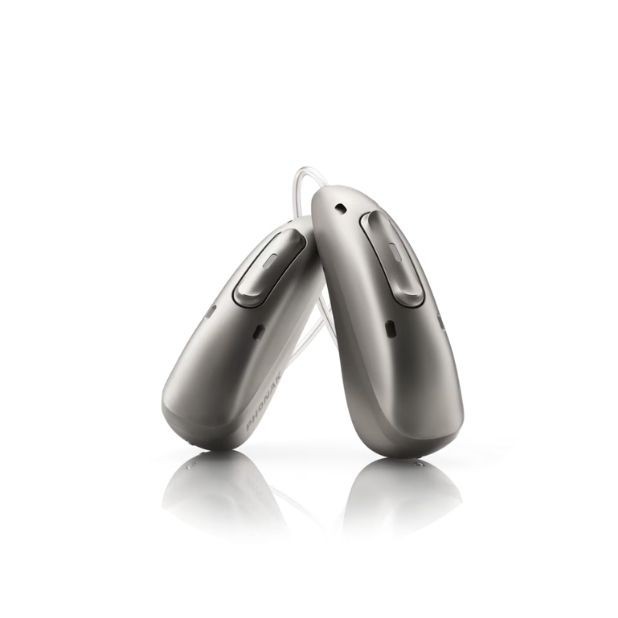
A* connectivity
For Bluetooth connectivity, the Infinio Ultra Sphere supports universal compatibility with both iPhone and Android devices, resulting in strong connectivity.
You can pair two devices simultaneously, and with the ERA chip, you get double the Bluetooth transmission range of previous Phonak models.
Two-way streaming means you can both hear and speak through them during phone calls, and it works reliably enough that you'll actually want to use it regularly.
The hearing aids also support tap controls, so you can answer phone calls or control streaming by double-tapping the hearing aids themselves, and it's quite straightforward once you get used to it.

Who should consider Ultra Sphere i90?
The DEEPSONIC AI chip powering Spheric Speech Clarity 2.0 extracts and enhances speech from all around you, not just what's directly in front. Unlike traditional directional microphones, this works in a full 360-degree sphere around you, which matters because conversations don't always happen face-to-face.
Bluetooth connectivity works reliably with both iPhone and Android devices, as well as tablets and computers. You can pair up to eight devices and connect two simultaneously for consistent, hands-free calling and streaming.
Essentially, the Infinio Ultra Sphere i90 is for people who need technology that performs where standard hearing aids struggle - busy restaurants, group conversations, tough conditions with multiple speakers, and competing noise.
Why wouldn't you buy?
Other than the premium price, don't buy the Infinio Ultra Sphere i90 if you don't actually need it. It's brilliant technology with great connectivity, but it solves a specific problem: speech understanding in challenging, noisy, multi-directional environments.
If that's not your main frustration with hearing, there are other excellent options that might serve you better for less money.
Fitting Styles: RIC
Warranty: 5 years
Charger: Comes with charger
Researching for a loved one?
If you're reading this on behalf of a parent, partner, or friend, you're in good company. A great many people arrive on this page researching hearing aids for someone else. Our audiologists are very used to these conversations, and family members are always welcome at appointments. A free home visit or free clinic appointment is the best next step; there's no obligation, and you will both leave with a clear picture of what would actually help.
Key Takeaways:
✔️ Oticon Intent 1 is the standout all-rounder: best for people whose listening environments vary significantly throughout the day, with sensor technology that adapts to what you are doing, not just what you are hearing.
✔️ Resound Vivia Pro 9 is among the most compact AI-powered RIC aids available and the first to have Auracast active out of the box rather than "Auracast-ready."
✔️ Abbreviations explained: RIC (Receiver-in-Canal) sits the speaker in the ear canal with the processor behind the ear; BTE (Behind-the-Ear) houses everything behind the ear; CIC (Completely-in-Canal) sits entirely inside the ear canal.
✔️ Every aid on this page is fitted in person by one of our HCPC-registered audiologists at a local clinic or during a free home visit. No online-only purchases.
✔️ All prices shown include the hearing test, fitting, and aftercare for life. There are no hidden costs and no charges for follow-up appointments or fine-tuning.
✔️ Not sure which to consider? Call us free on 0800 567 7621 for honest, no-obligation advice from one of our audiologists.
Conclusion
The best hearing aid of 2026 is not the same for everyone, and that is rather the point. The Oticon Intent 1 leads our list because it handles the widest range of real-world listening situations with genuine intelligence. The Resound Vivia Pro 9 earns its place for people who need AI performance in the most compact possible package. Each of the other aids on this page has earned its category recommendation for a specific reason, not because of brand relationships or sales targets.
All the hearing aids on this page are available through Hearing Aid UK's network of over 200 independent, HCPC-registered audiologists, fitted and fine-tuned in person at a local clinic or during a free home visit. Every price shown includes the hearing test, fitting, and aftercare for life at no extra cost.
Independents, like us, also came out on top in the Which? Report by consumers, and we have no ties to any manufacturer.
If you are still weighing up which might suit you, the most useful thing we can offer is an honest conversation with one of our audiologists. Book a free home visit or a free clinic appointment here, or call us free on 0800 567 7621.
Which hearing aid is right for you?
The best hearing aid for you might not have all the bells and whistles and the feature-rich specifications.
Rather choose a solution that has less, than spend money on technology you just simply won't use.
Still unsure which of the best hearing aids is right for you? Book a free hearing consultation with our HCPC- registered audiologists today.
We’ll guide you through the options available and the right hearing solution that best suits your hearing loss needs and lifestyle.


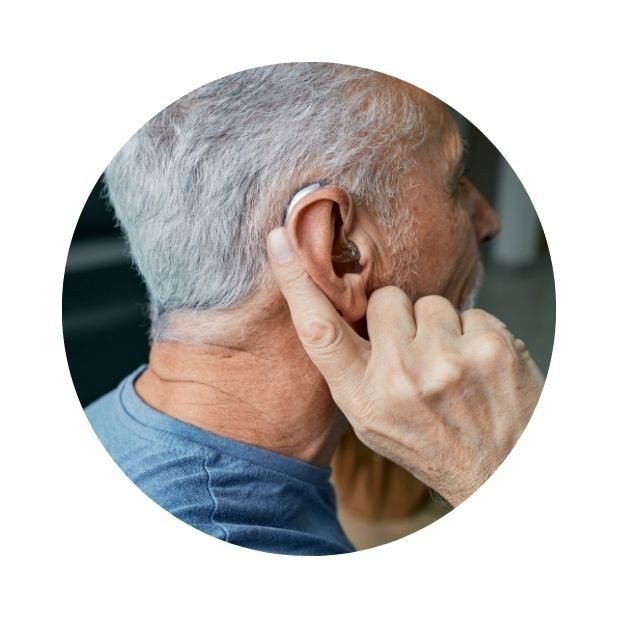
Comparing hearing aids is a great place to start
You may be wondering how to find the right hearing aids for you or which hearing aids are the most beneficial for you and your hearing loss; either way, it can become an overwhelming experience for some.
When you compare hearing aids online, it can all get rather confusing, especially when some hearing aid providers aren't transparent with their pricing. That being said, hearing aid comparisons are a great place to start.
If you are on the hunt for a hearing aid, finding the right hearing aid type and style depends on your level of hearing loss, lifestyle, aesthetic preferences, and other priorities.
However, investing in hearing aid devices doesn't necessarily mean you have to purchase the best hearing aids you can buy.

Where should I buy my hearing aids?
Where you purchase your hearing aids is important, too. For instance, whether you opt for private hearing healthcare and hearing aids or choose to go with the NHS is entirely down to personal choice.
However, seeing a private audiologist will give you access to a wider range of hearing aid brands, types, and styles as well as a more personalised hearing experience.
If you decide to go with the NHS or buy Over-the-Counter (OTC) hearing aids online, you will find yourself with limitations in device, type, style, connectivity, and customisation.
This is why researching hearing aid companies, brands, and prices is a valuable first step.
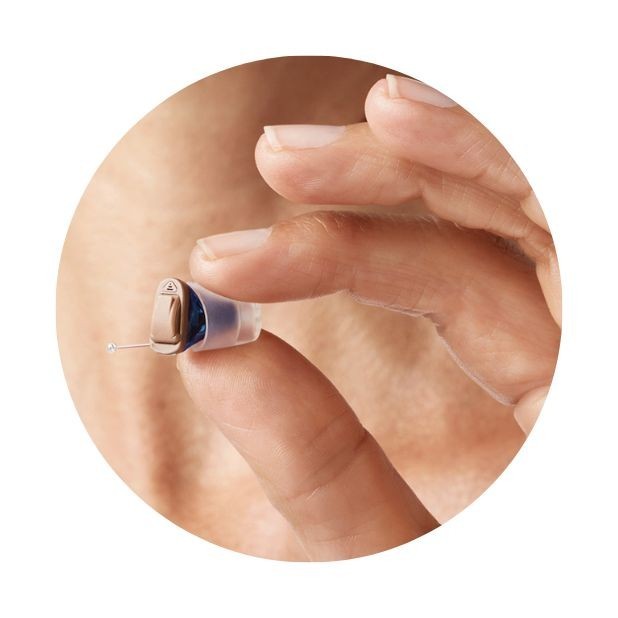
Private independent hearing aids
When researching hearing aid shops near you and where you'll get the best hearing aids, the service, and aftercare, you only have to look at the Which? Report.
This report states, year after year, that independent companies, like us, come out on top for hearing aid providers in the UK and are the best place to get your devices from.
Hearing aid suppliers and independent audiologists like Hearing Aid UK can advise on the right hearing aid for your hearing loss from the top hearing aid brands in the industry.
We can also provide digital hearing aid accessories from all of the brands if needed.
However, unlike most other hearing aid companies, our range is not limited.
This is because we are not owned or affiliated with any of the manufacturers, so we are able to offer the full range of hearing aids without prejudice.
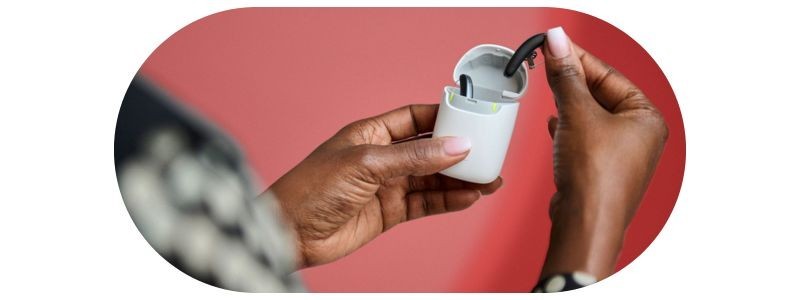
What are the best hearing aid styles for me?
How to get started finding the right style for you
Do you already wear hearing aids?
If you are already wearing hearing aids and looking to upgrade them, most of our customers start with a similar style to what they are used to and have already. This means you are more aware of the device and you can adjust quickly, but you now benefit from the new and more modern features.
You must always have your hearing tested again before upgrading your hearing aids, as over time your hearing can change, and you may have different priorities and hearing needs.
However, priority should always be the best product for better hearing, and if you have had your hearing aids for around 3-4 years, there will almost definitely be advanced hearing technology that will serve your hearing loss better.
What are your hearing needs?
It is always best to understand your specific hearing needs when researching the right hearing aids for you, as different hearing aids are better in certain situations than others. Do you struggle with conversations in noisy environments, or do you need help primarily in quiet settings?
Consult with an audiologist or hearing healthcare professional for a thorough hearing test, which will show the severity and type of your hearing loss, which is important in choosing the best hearing aid.
Is discretion important to you?
Some people prefer the discretion of a small hearing aid, while others may not mind a more noticeable device. However, even behind-the-ear styles are significantly neater than they were years ago. There's more choice now too, today's hearing aids come in many different styles, including:
- Behind-the-Ear (BTE)
- Receiver-in-the-Canal (RIC)
- In-the-canal (ITC)
- In-the-Ear (ITE)
- Invisible-in-Canal (IIC)
- Completely-in-the-Canal (CIC)
What is your hearing loss level?
For your hearing aids to be successful, the actual fit and acoustic compatibility, done at your programming and fitting appointment, is the most important. This is often called the best first-fit experience by audiologists.
In short, your actual fit is how the hearing aid fits in your ear, which can ultimately affect the way you hear and whether you are comfortable wearing it or not. The acoustic fit is how your device settings are catered for your individual hearing needs by your audiologist.
For example, if you have low-frequency hearing loss, a comfortable and snug fit of a Completely in the Canal or In the Canal hearing aid style would help process sound while remaining discreet. The occlusion will also help stop unwanted background noise.
How much are hearing aids?
Understanding hearing aid prices and costs in the UK is usually important for those seeking better hearing. The cost of hearing aids can vary widely based on factors like technology level, brand, and technology. Unlike us, some hearing aid providers don't display their prices, so it makes comparing audiologists, models and brands even more difficult.
Basic hearing aid models are more budget-friendly, while advanced, feature-rich options come at a premium. In the UK, prices typically include services like hearing tests, fitting, and follow-up care, adding to the overall expense. Hearing aid accessory choices and ongoing maintenance can also affect the final hearing aid cost.

What is your budget?
There are also hearing aid technology levels to consider. These are generally basic, standard, and premium, and like with all technology, the more sophisticated the technology, the more you will pay for your devices.
A good audiologist will show you the latest hearing aids that are available, talk through the hearing aid's new features in the industry, and discuss the features versus benefits with you, with your hearing loss level in mind.
An audiologist will also advise on the best technology level for your hearing loss, as you shouldn't have to pay for more than you need and for features you won't use. Hearing aids vary in cost, and insurance coverage may be a factor.

Do you have dexterity concerns?
If you have dexterity problems, smaller hearing aids might be a challenge for you. Low-profile In the Ear hearing aids or Behind the Ear (BTE) options might be easier to handle.
The batteries are also bigger, so these will be easier to change too.
You might even want to consider rechargeable hearing aids, which require no battery changes at all.
Hearing aids with automation might be beneficial, as there are no tiny buttons you have to press on the device to adjust settings such as volume.
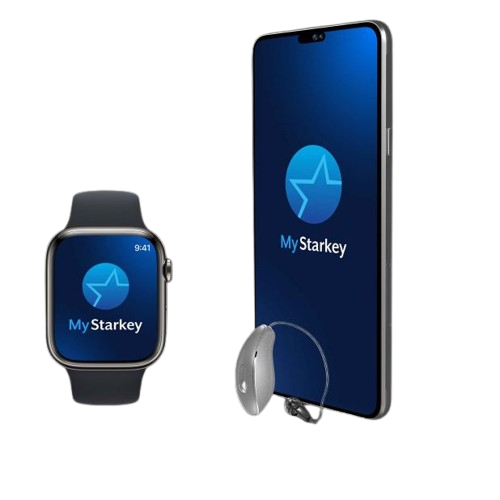
Do you lead an active lifestyle?
If your activities are limited, you are homebound or require care support, Behind the Ear (BTE) hearing aids might be more practical.
This is because they can include earmolds that are easier to fit comfortably in the ear and can easily be managed by a care support worker.
In such lifestyle situations, you might want to consider assistive listening devices for some extra amplification for TV programs or doorbells.
On the other hand, if you lead an active lifestyle, there are now plenty of 'healthable' hearing aids on the market providing additional features, such as fitness tracking or heart monitoring, designed to enhance and keep up with your lifestyle.
Our specialist service includes:
Do not spend hundreds of pounds without getting a second opinion from us.
Please call us on 0800 567 7621
 Not only are the prices great, but the service is fantastic! Many thanks to your team.
Why choose Hearing Aid UK to help you find the best hearing aids for you?
What's included in our hearing aid prices?
Discover the best digital hearing aids in 2026



Common questions about the best hearing aids for 2026
If you have dexterity problems, smaller hearing aids might be a challenge for you. Low-profile In the Ear hearing aids or Behind the Ear options might be easier to handle and the batteries are bigger, so these will be easier to change too.
What is the best hearing aid style for low-frequency hearing loss?
If you have low-frequency hearing loss, a comfortable and snug fit of a Completely in the Canal or In the Canal hearing aid style would help process sound while remaining discreet. The occlusion will also help stop unwanted background noise.
What hearing aid technology level is best for me?
There are basic, standard and premium technology levels - and like with all technology the more sophisticated the technology the more you will pay for your devices. Your audiologist will advise on the best level for your hearing loss. You shouldn't have to pay for more than you need and for features you won't use.
Are expensive hearing aids worth the money?
Expensive hearing aids may not, in reality, meet your needs or expectations. Just because a hearing aid is more expensive does not necessarily mean that you will be more satisfied or that it is a better hearing aid. Your audiologist will go through all the hearing aids that are a good fit for your level of loss, lifestyle and preferences.
What are the best hearing aid companies?
The main eight hearing aid manufacturers that have a strong and reliable reputation for producing quality hearing aids are: Bernafon, Unitron, Phonak, Resound, Oticon, Signia, Widex and Starkey.
What are the easiest hearing aids to use?
The easiest hearing aid to use all depends on what level of hearing loss you have, your communication needs, dexterity, lifestyle, personal preferences and more.
By talking with your audiologist about such specifics and hearing health history, you can both determine the right hearing solution for you.
Where can I buy the best hearing aids in the UK?
The hearing aids featured in this guide are available through Hearing Aid UK, where they are professionally fitted and fine-tuned by HCPC-registered audiologists.
Hearing Aid UK provides hearing aids from leading manufacturers including Phonak, Oticon, ReSound, Signia, Rexton, Widex, Starkey, Unitron and Bernafon, with appointments available at UK clinics or through free home visits.
Your hearing test, professional fitting, programming, aftercare and fine-tuning are included in our hearing aid prices.
Why buy your hearing aids from Hearing Aid UK?
Hearing Aid UK is an independent UK hearing-aid provider offering hearing aids from all major manufacturers. Our HCPC-registered audiologists provide hearing tests, professional fitting and programming, and ongoing aftercare.
We offer appointments through our UK clinic network and free home visits, allowing you to compare hearing aids from different manufacturers rather than being limited to one brand. You can also enjoy:
- Independent advice
- Multiple manufacturers
- HCPC-registered audiologists
- Free hearing test
- Professional fitting
- Free home visits
- Lifetime aftercare
- 60-day money-back guarantee
Other pages you might find useful
Ask the Experts

Get free independent impartial advice from the experts you can trust. We offer nationwide coverage and huge savings on all our hearing aids.
6 Morton Lane
Walkwood
Redditch
Worcestershire
B97 5QA
Latest Launch
When we refer to a product as 'Latest Launch', we mean it is the latest to be released on the market.
New
When we refer to a product as 'New', we mean that the product is the newest hearing aid model on the market.
When we refer to a product as 'Superseded', we mean that there is a newer range available which replaces and improves on this product.
Older Model
When we refer to a product as an 'Older Model', we mean that it is has been superseded by at least two more recent hearing aid ranges.