



NHS Hearing Aids UK & NHS Hearing Aid Upgrades
NHS hearing aids compared to private ones
The NHS provides free hearing aids to anyone who needs them, and for millions of people, that's exactly the support they need.
The NHS works with a fixed budget and a huge number of people to help, so it makes sense they focus on reliable, well-tested technology rather than the latest premium features. That's a sensible use of public money, not a shortfall in care.
Where NHS hearing aids can fall short is choice: you'll usually be offered one or two models, with limited styles and basic Bluetooth streaming.
That's why many people who value the NHS for getting them started later look at private hearing aids for more discreet styles, wireless connectivity, or automatic sound processing in background noise.
Here's a quick look at some of the downsides:
Yes. NHS hearing aids are dependable, properly fitted, and free, which makes them a good option for many people.
The trade-off is choice: the NHS can't offer every brand, style, or premium feature, because it's serving a huge population within a set budget.
Here's how that plays out in practice:

Paul Harrison
Audiology Expert & Founder at Hearing Aid UK
0800 567 7621
Last Hearing Aid UK Update: 06/07/2026
NHS Hearing Aids UK & Upgrades
Not sure whether your NHS hearing aids are still right for you, or whether it's time to look at private options? Here's what you need to know.
If you think your hearing has changed, it's worth getting it checked. Your GP or a hearing healthcare provider can arrange a hearing test to find out what's going on, whether that's hearing loss, an ear infection, or something else.
Hearing tests are free on the NHS, and they're also free with us. Our HCPC-registered audiologists can carry out a free hearing test in a local clinic or during a home visit, with no obligation to buy anything.
If specialist treatment is needed rather than a hearing aid, your GP or ENT department will take care of that.
We're an independent provider of private hearing aids, so whether you're weighing up NHS versus private, or wondering if it's time to upgrade.
This page is here to help you understand what NHS hearing aids offer, where private hearing aids differ, and whether upgrading makes sense for you.
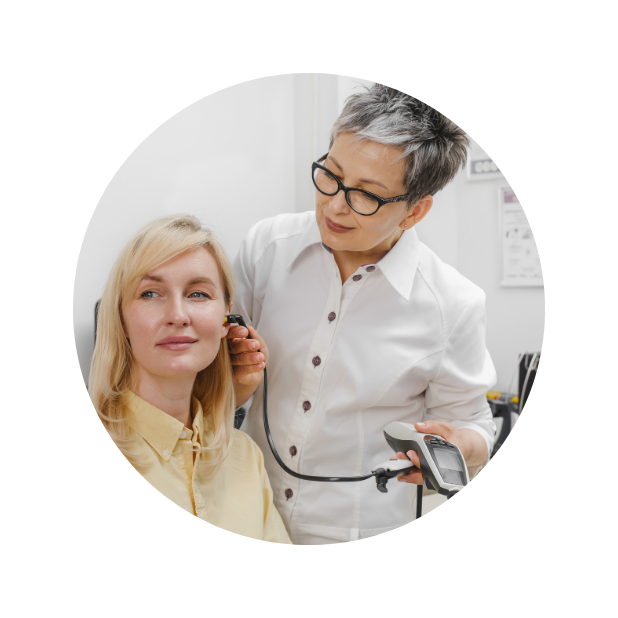
NHS hearing aids or private?
Upgrading from NHS hearing aids to private
If you're currently wearing NHS hearing aids and wondering whether private hearing aids might suit you better, you're not alone.
Many of our customers started with NHS provision before making the switch, and we're happy to talk through the differences, with no pressure or obligation either way.
Thinking about NHS hearing aids?
The NHS provides hearing aids free of charge to anyone whose hearing loss is significant enough to affect daily life and communication.
You'll need to be registered with a GP, who can refer you to your local NHS audiology service to get started.

NHS Hearing Aids or Private?
Not sure whether going private would be better?
NHS hearing aids in 2026: what to expect
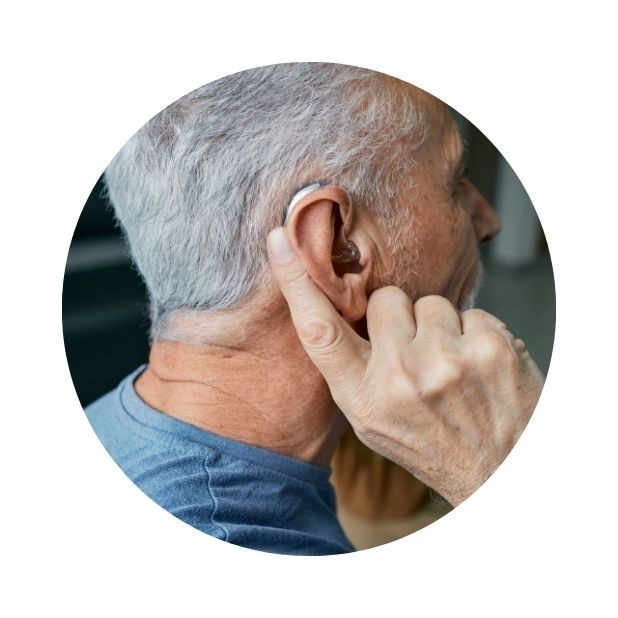
NHS hearing aids are a solid, dependable option, and they work well for a lot of people. They're digital, provided free with ongoing support and batteries, and tend to perform reasonably well in easier listening situations, like a one-to-one conversation at home.
Where NHS aids are more limited is in harder listening environments. Busy social settings, noisy restaurants, or watching TV with speech and background noise together are where they tend to be less effective.
This is largely down to the technology itself: the NHS understandably works to a fixed budget across a huge number of people, so the aids provided are typically several technology generations behind the newest private models.
That's a sensible trade-off for a free, universal service, not a fault in the NHS. Bluetooth is available on some NHS hearing aids, though this varies by area, so it's worth asking during your assessment.
Types of NHS hearing aids
NHS hearing aids are typically larger, more visible styles that sit behind the ear, rather than smaller, discreet designs. Some NHS trusts also offer receiver-in-canal aids (known as RIC, a smaller style with the speaker sitting in the ear canal itself), though availability varies by area.
Certain styles, such as cosmetic or water-resistant designs, generally aren't available on the NHS at all. If a smaller, more discreet style or a specific feature matters to you, private hearing aids widen your options considerably.
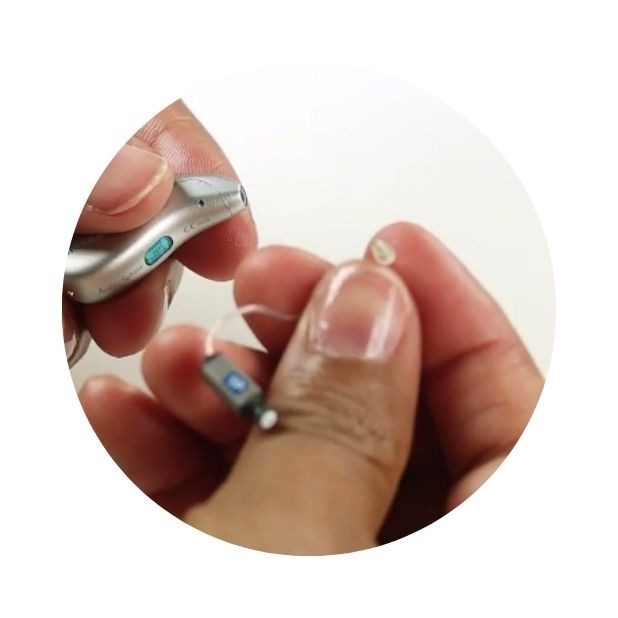
Common reasons people upgrade from NHS to private hearing aids
Based on conversations with customers who've made the switch, these are the reasons that come up most often:
- Background noise and sound quality: This is genuinely the biggest difference customers notice.
NHS aids can struggle in noisy or social environments, while private hearing aids use more advanced processing to separate speech from background noise, and generally deliver clearer, more natural sound.
- Technology generation: NHS provision is based on what can be supplied cost-effectively across the whole country, so the aids tend to be several generations behind the latest private technology.

Appearance and discretion
NHS aids are mostly larger, visible styles. Private options range from these same styles right through to nearly invisible in-ear designs.
- Rechargeable options: Most private hearing aids today are rechargeable. Rechargeable NHS aids exist in some areas, but aren't offered consistently everywhere.
- Bluetooth and TV streaming: Most people who want Bluetooth are looking to stream sound from the TV directly to their hearing aids via a TV streamer, rather than controlling their aids day-to-day through an app.
Most private hearing aids are fully automatic and adjust themselves to your environment, so an app isn't something most people end up needing regularly.
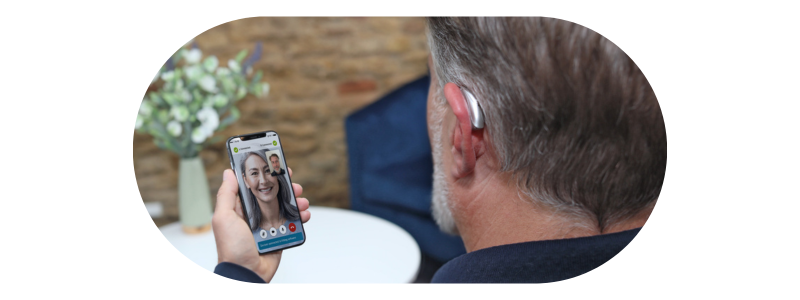
Considering Upgrading?
Every hearing loss is unique
Comparing the NHS and private
Your hearing loss is personal to you, so what matters most (brand, style, connectivity, budget) will be personal too. Below is an honest look at the pros and cons of NHS and private hearing healthcare.
Our comparison reflects our own ethos and services. Not all private audiologists offer free home visits, so it's worth checking with any provider you speak to.
Key limitations of NHS hearing aids
- Style choice is limited, and you'll usually be offered a larger, more visible hearing aid, though this varies by NHS trust.
- Receiver-in-canal (RIC) options are only available in some areas.
- Waiting times vary by location. Based on what our customers tell us, initial assessments can sometimes be arranged in around six weeks, though this varies widely, and we've heard of local waiting lists for home visits stretching much longer. Most areas don't offer home visits as standard at all.
NHS hearing aids: quick answers
- Are NHS hearing aids completely free in the UK? Yes, NHS hearing aids are provided free of charge.
- Will I get follow-up appointments with the NHS? Yes, follow-up appointments, repairs, and batteries are provided free for the life of your NHS hearing aids.
- Can I get NHS hearing aids at home? Some NHS audiology departments offer home visits, but this depends heavily on where you live, so it's worth checking with your local NHS audiology department directly.
- Are NHS hearing aids Bluetooth compatible? Some are, though this varies by area. Bluetooth is most useful for streaming TV sound directly to your hearing aids via a TV streamer.
Private hearing aids: the advantages
- Access to the full range of styles, from larger behind-the-ear designs to nearly invisible in-ear options
- Access to the most advanced, current-generation technology, including features suited to noisy or social environments
- All private hearing aids come with Bluetooth connectivity as standard
- Your hearing experience is fitted and fine-tuned by a HCPC-registered qualified audiologist to suit your hearing loss
- Appointments booked around your schedule
- Free hearing tests and home visits with us, wherever you live
- Continuity of care: you'll generally see the same audiologist across your appointments
Private hearing aids: worth knowing
- Cost puts some people off, though you'll be advised on options across the price range, not just the most expensive
- You'll need to buy batteries unless you choose a rechargeable model
- Hearing aids can technically last over ten years, but most people choose to replace them after four to six years as technology moves on
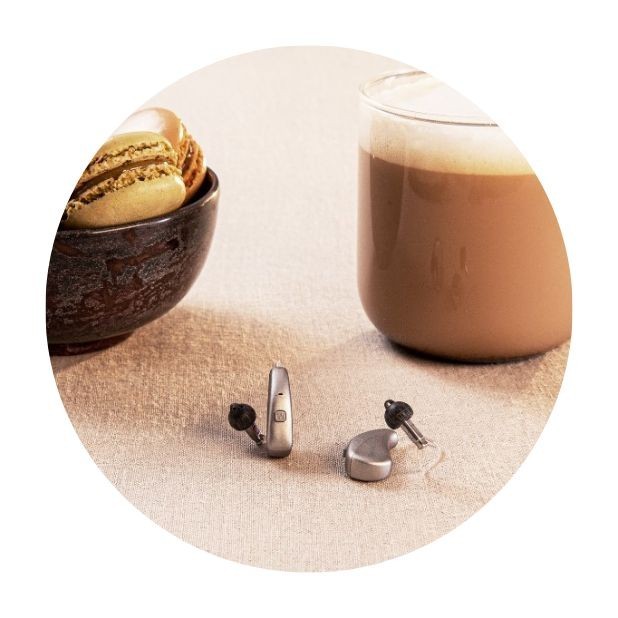
Upgrading your NHS hearing aids to private
If you have NHS hearing aids and want to move to private ones, you'll pay for the private hearing aids yourself. Cost depends on the brand, model, and features you choose.
To upgrade, you'll need an assessment with a private audiologist, who will test your hearing and recommend suitable options based on your needs.
What's included in our prices?
All our hearing aid prices include the hearing test, fitting, programming, follow-up appointments, and aftercare. There are no hidden extras: what you see is what you get.
If you move to a private hearing aid, bear in mind you'll no longer be eligible for free repairs and maintenance through the NHS for that device.
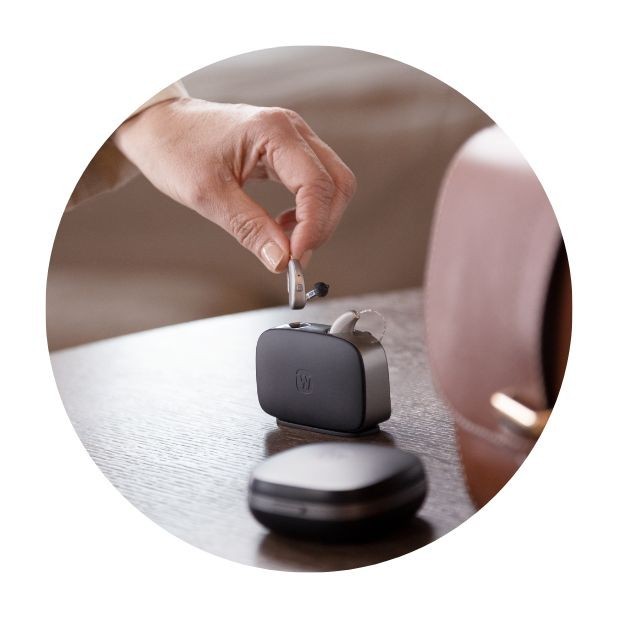
Upgrading your existing NHS hearing aid to a newer NHS model
If you already have an NHS hearing aid and want a different model, you'll need to speak with your NHS audiologist.
Generally, the NHS will only provide an upgrade if there's a clinical need for a different model, for example if your hearing has changed, or your current aids aren't performing as well as before.
To explore this, ask for a reassessment. Your audiologist will review your hearing and current aids, and recommend a new model if appropriate. Any NHS-provided upgrade comes at no extra cost.
This is often where private provision makes sense for many people, not because the NHS service is inadequate, but because personal preferences (a smaller style, better performance in noise, wireless connectivity) can sit outside what the NHS can reasonably provide within its budget.

NHS Hearing Aids UK & Upgrades
Additional information
How much does it cost to upgrade NHS hearing aids to private?
Private hearing aids from our independent audiologists start from £795 per aid, depending on the technology level you choose. This covers your hearing aids, all tests and assessments (at home or in clinic), professional fitting, and aftercare for life, with no limit on appointments. The manufacturer's warranty (typically five years) and our 60-day money-back guarantee are included too.
Can I keep my NHS hearing aids if I go private?
Yes. Many people keep their NHS hearing aids as a backup while trialling private aids. You don't need to inform the NHS while you're deciding.
NHS hearing aids are provided on long-term loan and technically remain NHS property, so they can, in principle, be asked for back if no longer needed, but in practice many people keep them as a spare. If private aids suit you better, you can simply stop using your NHS ones.
What if I lose my NHS hearing aid?
NHS trusts typically charge a replacement fee if a hearing aid is lost, usually somewhere between £70 and £100, reflecting their approximate cost price. If your aids are already due for replacement, some trusts may waive this fee and provide a new set instead. It's worth checking directly with your local NHS audiology department, as policies vary.
Want more information about NHS vs private hearing healthcare?
Our full NHS vs private hearing aids article covers questions like what NHS hearing aids look like and the eligibility criteria in more detail.
Many of our customers come to us after wearing NHS hearing aids, so we're also able to share honest feedback from our audiologists based on that experience. You can also read more about our private hearing healthcare services. Comparing what the NHS and private providers each offer is a sensible way to make a confident, informed decision.
What can my local NHS hearing aid provider do for me?
If your NHS hearing aids aren't working properly, your local NHS hearing aid centre can help repair them. Visit the NHS website to find your nearest service. During an appointment, they can help with:
- Information on the NHS hearing aids available in your area
- Cleaning and maintenance advice
- Instructions for use
- Volume control and day-to-day features
- Batteries and domes (the small, soft tips that fit in the ear)
- Home visits and aftercare, where available in your area
NHS Hearing Aids Near Me
We can support your hearing healthcare needs locally
If you or a loved one's hearing has changed, it's worth getting things checked when it suits you.
A hearing test is simply the first step to understanding what's going on, and there's no obligation attached to it.
Call us free on 0800 567 7621 to speak with one of our audiologists, or book a free hearing test online.


Watch our video on what we offer below
Our specialist service includes:
Do not spend hundreds of pounds without getting a second opinion from us.
Please call us on 0800 567 7621
 Not only are the prices great, but the service is fantastic! Many thanks to your team.
Other pages you might find useful
What's included in our hearing aid prices?
Common questions about upgrading from NHS to private
Do I need a referral from my GP or NHS audiologist?
No. You can book directly with a private audiologist without any referral.
How long does the upgrade process take?
This varies, but from first appointment to wearing your new hearing aids typically takes one to two weeks, covering your assessment, any bespoke ordering, and fitting.
Will my private audiologist have my NHS hearing records?
Not having them isn't a problem. Your private audiologist will carry out a full hearing assessment from scratch, so they'll be working from an accurate, current picture of your hearing.
If you'd like your NHS audiogram on hand for reference, you can request a copy from your NHS audiology department at any time.
Can I try private hearing aids before committing?
Yes. All our hearing aids come with a 60-day money-back guarantee, so if you decide they're not right for you for any reason, we'll refund you in full.
Are private hearing aids better quality than NHS ones?
The NHS provides good-quality digital hearing aids. Private hearing aids give you access to more current technology, a wider range of styles, and features like improved background noise handling.
Whether the difference is worth it to you depends on your lifestyle and what you find challenging day-to-day.
Ask the Experts

Get free independent impartial advice from the experts you can trust. We offer nationwide coverage and huge savings on all our hearing aids.
6 Morton Lane
Walkwood
Redditch
Worcestershire
B97 5QA
Latest Launch
When we refer to a product as 'Latest Launch', we mean it is the latest to be released on the market.
New
When we refer to a product as 'New', we mean that the product is the newest hearing aid model on the market.
When we refer to a product as 'Superseded', we mean that there is a newer range available which replaces and improves on this product.
Older Model
When we refer to a product as an 'Older Model', we mean that it is has been superseded by at least two more recent hearing aid ranges.