




Head of Online Medical Content

Audiology Expert & Founder of Hearing Aid UK
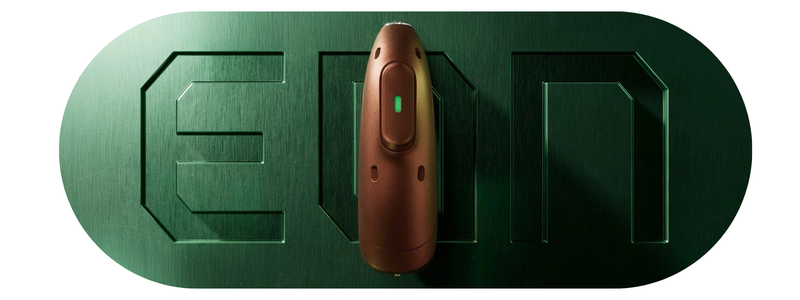
Latest Phonak Hearing Aids 2026
Discover new Phonak hearing aid launches in the UK
What's current? | Phonak EON | Phonak Ultra | Virto Infinio hearing aids | Other useful information | Conclusion and key takeaways
Last Hearing Aid UK Update: 22
Phonak's newest hearing aid platform, EON, launched in the UK in September 2026 and is now the current flagship, built around a new dedicated AI chip for separating speech from background noise.
The previous flagship, Infinio Ultra Sphere, remains a great option, alongside the Infinio Ultra R and the custom-fit Virto Infinio range. Hearing Aid UK supplies and professionally fits all Phonak ranges throughout the UK, in clinic or via a free home visit.
What's currently available from Phonak 2026?
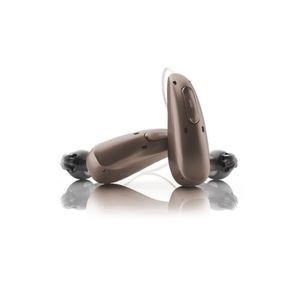
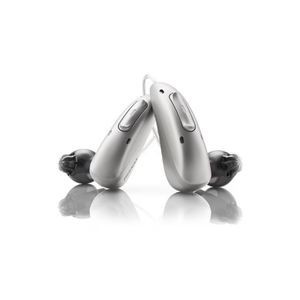
Phonak's current ranges now sit across three ranges: the new EON platform, the Infinio Ultra range, and the Virto Infinio custom-made models for people who want discreet In-the-Ear options.
Here's what's current in the EON range:
- Phonak EON Sphere (E90, E70, E50): The new flagship, built around Phonak's HYPERSONIC chip and Spheric Speech Clarity 3.0, dedicated hardware for separating speech from background noise.
- Phonak EON R (E90, E70, E50, E30): The same AutoSense OS AI 8.0 scene intelligence and Made-For-All connectivity as EON Sphere, in a more accessible model without the dedicated speech-separation chip.
Phonak states EON Sphere is 25% smaller and 20% lighter than the previous Sphere generation, and offers up to 38 hours of battery life on a single charge.
Here's what's current in the Infinio Ultra range:
- Phonak Infinio Ultra Sphere (i90, i70): The previous flagship technology, still genuinely capable, with its own dedicated DEEPSONIC chip for speech separation.
- Phonak Infinio Ultra R (i90, i70, i50, i30): Premium automated performance without the dedicated AI chip.
Both models feature AutoSense OS 7.0, which Phonak states is 24% more precise than the previous generation at recognising your listening environment and adjusting accordingly.
Here are the current Virto Infinio custom ranges:
- Phonak Virto Infinio (i90, i70, i50, i30): Custom-made to fit your ear canal.
- Phonak Virto Infinio Titanium (i90, i70): The same custom fit, with a medical-grade titanium shell that's 50% thinner than traditional materials.
Recently discontinued Phonak ranges:
Audeo Infinio and Audeo Infinio Sphere, launched in August 2024, were replaced by the Infinio Ultra range in October 2025. Infinio Ultra Sphere itself was Phonak's flagship until EON launched in September 2026, and remains a strong, more accessible alternative to it.

Current Phonak Hearing Aids of 2026
Phonak EON: the new flagship
EON combines two systems working in parallel
Spheric Speech Clarity 3.0, which separates speech from background noise using the new HYPERSONIC chip, and AutoSense OS AI 8.0, which reads the wider listening environment and decides which processing features to engage. Phonak states this makes EON Sphere's chip 37% more efficient than the previous generation running the older Spheric Speech Clarity 2.0.
EON Sphere is built for people who regularly find speech-in-noise genuinely difficult: restaurants, family gatherings, busy workplaces. EON R carries the same scene intelligence and connectivity in a more accessible model, without the dedicated speech-separation hardware, for people whose listening challenges are less demanding day-to-day.
►Phonak EON Sphere E90 hearing aids
►Phonak EON Sphere E70 hearing aids
►Phonak EON Sphere E50 hearing aids
►Phonak EON R E90 hearing aids
►Phonak EON R E70 hearing aids
►Phonak EON R E50 hearing aids
►Phonak EON R E30 hearing aids
"EON is a genuine step forward, not just a smaller version of what came before. But Infinio Ultra Sphere isn't obsolete overnight; it's still excellent technology, and for a lot of people the real-world difference won't be worth the price gap.
It comes down to being honest about how often you're actually struggling, not chasing the newest name."
says Paul Harrison, Audiology Expert & Founder, Hearing Aid UK

Phonak Infinio Ultra Sphere hearing aids
The Infinio Ultra Sphere isn't just a marketing claim about AI; it genuinely has dedicated hardware that most hearing aids don't. The DEEPSONIC chip does nothing but work on separating speech from background noise in real time.
Traditional hearing aids use directional microphones that focus on what's in front of you. The Sphere's AI can extract speech from any direction - behind, beside, in front - and handle multiple speakers simultaneously.
Phonak's research suggests you're three times more likely to understand every word in noisy environments compared with not having this technology. Available in technology levels i90 and i70 only.
►Phonak Infinio Ultra Sphere i90 hearing aids
►Phonak Infinio Ultra Sphere i70 hearing aids
Phonak Infinio Ultra R: premium without the AI chip
The Ultra R offers sophisticated automated performance using the same AutoSense OS 7.0 technology, enhanced Bluetooth connectivity, and strong battery life, without the dedicated AI hardware. Available in four levels: i90, i70, i50 and i30, with i90 and i70 offering the fullest feature set.
►Phonak Infinio Ultra R i90 hearing aids
►Phonak Infinio Ultra R i70 hearing aids
►Phonak Infinio Ultra R i50 hearing aids
►Phonak Infinio Ultra R i30 hearing aids
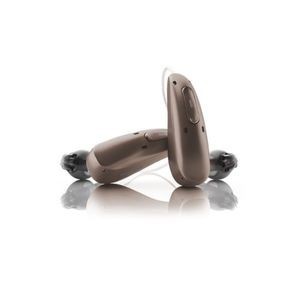
2025 brought the launch of Phonak Virto Infinio hearing aids
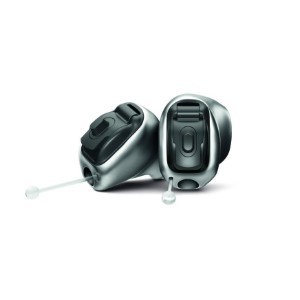
The Virto Infinio range brings the ERA platform technology to custom-made, In-the-Ear designs. These are moulded specifically to fit your ear canal, so they're as discreet as hearing aids get without being completely invisible.
Your audiologist takes an impression of your ear canal (or uses digital scanning), and the hearing aid is manufactured to precisely fit your ear.
This means better comfort and a more secure fit than universal receivers, but it also means you can't just swap them out if something goes wrong; they're specific to your ears.

Virto Infinio Titanium hearing aids: for people who want invisible
The titanium model uses medical-grade titanium for the shell, which is both ultra-strong and 50% thinner than traditional acrylic. This allows for an even smaller, more discreet fit whilst maintaining durability.
Custom-made In-the-Ear aids sit in your ear canal, which means they're more prone to issues with earwax and moisture. They also can't include some features that Behind-the-Ear models offer, such as a telecoil option.
The Titanium models use size 10 batteries, which are the smallest available and might be fiddly if you have poor dexterity. But if visibility is your primary concern, and you're willing to accept these trade-offs, the Virto Infinio range offers impressive technology in a genuinely discreet package.
►Phonak Infinio Virto i90 hearing aids
►Phonak Infinio Virto i70 hearing aids
►Phonak Infinio Virto i50 hearing aids
►Phonak Infinio Virto i30 hearing aids
►Phonak Infinio Virto Titanium i90 hearing aids
►Phonak Infinio Virto Titanium i70 hearing aids

Latest Phonak Hearing Aids of 2026
Other useful information
Researching for someone else?
If you're reading this on behalf of a parent, partner, or friend who's struggling with hearing loss, you're doing them a genuine favour by taking the time to understand what's available.
The best next step is booking a consultation with one of our audiologists, either in the clinic or in the comfort of home. You're welcome to attend with them.
Many family members find it helpful to be there for the discussion, and audiologists appreciate having someone who can provide insight into real-world hearing challenges.
There's no obligation, and it's an opportunity to understand what current technology can actually achieve rather than relying on marketing claims.
Conclusion
Phonak's current ranges genuinely aren't one-size-fits-all. EON Sphere is the newest and most capable option for people who regularly struggle in noisy, multi-speaker environments. Infinio Ultra Sphere remains a strong, more accessible alternative with the same core speech-separation approach.
The Ultra R and EON R both offer excellent everyday performance without the dedicated AI hardware, and Virto Infinio models offer discretion for people who prioritise invisibility.
The key is being honest about where you actually struggle with hearing, not choosing technology because it's the newest name. If you're uncertain which model suits your needs, our audiologists can provide genuinely independent advice based on your specific situation.
Call us free on 0800 567 7621 or complete the form below to speak with one of our hearing specialists about Phonak hearing aids.
Key takeaways
- Phonak EON, launched in September 2026, is the current flagship, built around a new HYPERSONIC chip for separating speech from background noise.
- Infinio Ultra Sphere remains Phonak's previous flagship technology and a strong, more accessible option to EON Sphere.
- The Infinio Ultra R and EON R both offer excellent automatic environment detection and reliable Bluetooth without the dedicated AI hardware, at a lower price point.
- The Virto Infinio range is Phonak's custom-made, in-the-ear option for people who prioritise discretion.
- Which model suits you depends on how often you're in genuinely noisy environments, not on choosing the newest name.
Why Choose Us?
- FREE Hearing Tests
- Best Hearing Aids and Prices
- FREE Aftercare for Life
- FREE Home Visits
- FREE Clinic Appointments
- 200+ Local Audiologists
- 60 Day Money Back Guarantee
Discover the new Phonak hearing aids available in 2026
Phonak's current lineup spans two generations of speech-in-noise technology: the new EON platform and the Infinio Ultra range before it.
Both offer personalised sound settings, smartphone connectivity, and effective noise reduction, suited to a range of listening environments.
Most models are rechargeable, so you can pop them on charge overnight, and you can fine-tune your settings yourself through the myPhonak app. If you'd like more information about any of the current Phonak ranges, please contact us free on 0800 567 7621.

Other hearing aid technology articles you might like...
 Phonak EON Sphere vs Phonak Infinio Ultra Sphere
  Rugged Hearing Aids
  How long do hearing aids last?
What's included in our hearing aid prices?
Our specialist service includes:
Do not spend hundreds of pounds without getting a second opinion from us.
Please call us on 0800 567 7621
 Not only are the prices great, but the service is fantastic! Many thanks to your team.
Watch Phonak's latest hearing aid launch video below
Other pages you might find useful
Explore the latest Phonak hearing aids available in 2026



Latest Phonak hearing aid FAQs
What are the newest Phonak hearing aids in 2026?
The newest Phonak hearing aids are the Phonak Audéo EON range, launched in the UK in September 2026 in two versions: EON Sphere and EON R.
They sit alongside Phonak’s previous flagship, Infinio Ultra, and the custom in-ear Virto Infinio, which are both still current.
What is the difference between Phonak EON Sphere and EON R?
Phonak EON Sphere includes a dedicated chip that Phonak states is designed to separate speech from background noise, while EON R shares the same AutoSense OS AI 8.0 sound processing and connectivity without that extra chip.
EON Sphere comes in E90, E70 and E50 technology levels, and EON R comes in E90, E70, E50 and E30, so EON R gives more choice for quieter lifestyles and tighter budgets.
Where can I get Phonak EON hearing aids in the UK?
Hearing Aid UK supplies and professionally fits Phonak EON Sphere and Phonak EON R throughout the UK. Each pair is fitted and fine-tuned in person by an HCPC-registered audiologist, either at one of our 93+ local clinics or during a free home visit.
Is Phonak Infinio Ultra still worth considering now EON is out?
Yes. Phonak Infinio Ultra is still a current range, and for many people it remains a strong choice, particularly if busy, noisy situations are only an occasional part of life.
Our founder and audiology expert Paul Harrison advises being honest about how often you actually struggle rather than chasing the newest name, and your audiologist can compare EON with Infinio Ultra at your appointment.
Can I try Phonak EON before deciding to keep it?
Every Phonak EON hearing aid from Hearing Aid UK comes after a free hearing test with a qualified audiologist and is covered by our 60-day money-back guarantee, so you can try it in your everyday life before deciding to keep it.
Ask the Experts

Get free independent impartial advice from the experts you can trust. We offer nationwide coverage and huge savings on all our hearing aids.
6 Morton Lane
Walkwood
Redditch
Worcestershire
B97 5QA
Latest Launch
When we refer to a product as 'Latest Launch', we mean it is the latest to be released on the market.
New
When we refer to a product as 'New', we mean that the product is the newest hearing aid model on the market.
When we refer to a product as 'Superseded', we mean that there is a newer range available which replaces and improves on this product.
Older Model
When we refer to a product as an 'Older Model', we mean that it is has been superseded by at least two more recent hearing aid ranges.