




Head of Online Medical Content

Audiology Expert & Founder of Hearing Aid UK
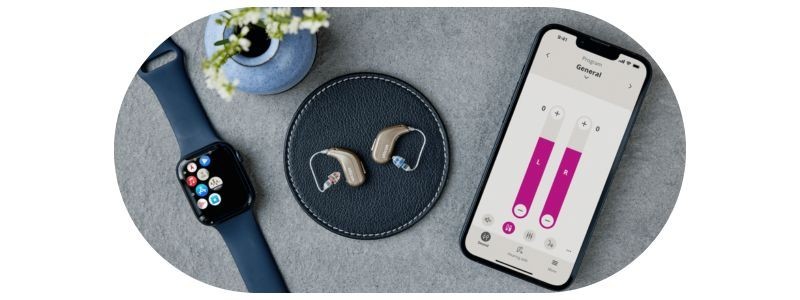
Top 6 Best Hearing Aids of 2026 in the UK
Reviewed on Technical Specs by Our Audiologists
Latest Hearing Aid UK Update: 23/10/2026
Overview
Finding the hearing aids that best suit your particular needs can feel overwhelming, and with all of the manufacturers claiming to have the "best" technology, and with hundreds of models to choose from, where do you begin?
The last few months have seen the biggest changes to the market in at least a decade - every single one of the main manufacturers has launched a completely new range.
Phonak, Oticon, and Signia all launched brand new hearing aids within weeks of each other in August and September. Resound, Widex and Starkey followed with their new aids in October. The improvements are genuinely impressive; these are major product launches rather than minor tweaks.
How we've chosen this latest list
Because these hearing aids are so new, nobody has been wearing them long enough to accurately assess them in everyday life, so taking that into account, we've ranked these hearing aids in a different way than we normally would. As we receive more hard data, we will update these rankings accordingly.
Every manufacturer has published its own research, and it does show genuine, measurable improvements, but the catch is that each manufacturer tests in its own way, so their results can't be lined up side by side, and the independent labs haven't finished testing them yet.
So rather than choosing between them based on the manufacturers' own figures, we've looked at what's documented on the published specification sheets, covering important details such as the computer chips, battery life, Bluetooth connectivity, and aid styles.
Where a manufacturer makes a performance claim, we tell you what it is, what it's based on and why it matters for your hearing. As independent results and our own fitting experience come in, we will update this page. All these hearing aids are available through Hearing Aid UK; we are completely independent and have no bias.
All of these aids are professionally fitted and fine-tuned by our HCPC-registered independent audiologists at UK clinics or through free home visits. The best hearing aid for you depends on where you find hearing the hardest. The order below isn't a performance ranking; each hearing aid is listed for the situation its specifications suit best.
Best Overall Hearing Aids of 2026
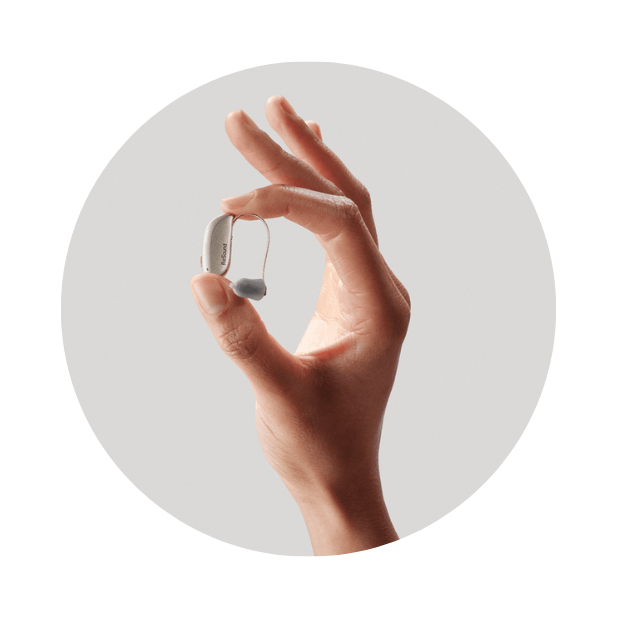
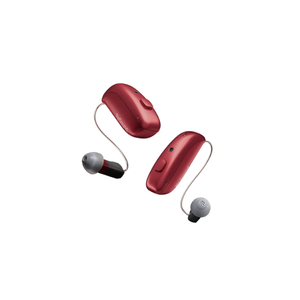
Resound Sensia 9 (Successor to Vivia Pro 9)
Whilst many hearing aid manufacturers are now adding "AI" to their hearing aids, using DNN (Deep Neural Network) noise reduction to suppress background noise, many seem to still have issues with the DNN not correctly identifying what the listener actually wants to hear.
This can mean that the loudest voice in the environment is amplified, even though it is often not the one the user is trying to follow.
The new Resound Sensia 9 is doing things a little differently in a more verifiably "safe" way, by combining these AI features with proven ways of focusing on the important sounds in group conversations.
They call it "Intentional AI"; instead of letting the AI blindly decide what sounds are important, Sensia uses hardware and physical intent to guide the AI, using a binaural 4-microphone beamformer to direct the AI to where the wearer is looking.
Resound claims that it is the world's smallest AI hearing aid, and none of the other manufacturers seems to be claiming the same, so this is likely to be correct.
Intelligent All-Around: AI that switches itself on
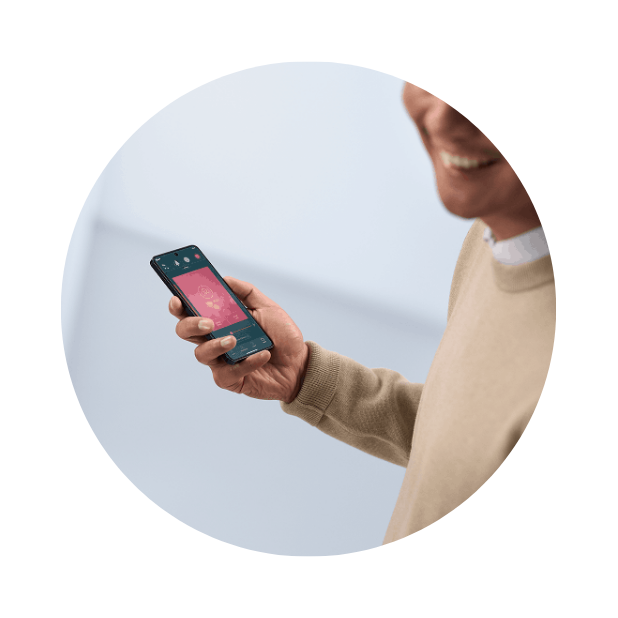
Sensia combines Resound's AcoustIQ sound classifier, a four-microphone directional system and AI noise reduction, into one automatic programme called Intelligent All-Around. In a nutshell, you no longer need to switch the AI noise reduction on yourself; it simply engages when you need it.
This matters because many people never change programmes on their hearing aids, either because they forget or because it feels awkward in company. When the hearing aid adjusts by itself, you get the extra help in noise without needing to reach for your phone or press a button.
The directional system focuses on the person you're facing, so the simplest way to hear someone better is just to turn towards them, as you naturally would.
Resound states that AcoustIQ classifies environments with 88% greater accuracy than the closest premium competitor, and that figure comes from Resound's own launch materials, so it isn't a like-for-like independent comparison.
The classification matters because it decides how quickly and accurately your hearing aid adjusts when you walk from a quiet room into a busy one.
Connectivity for everyone, in every style
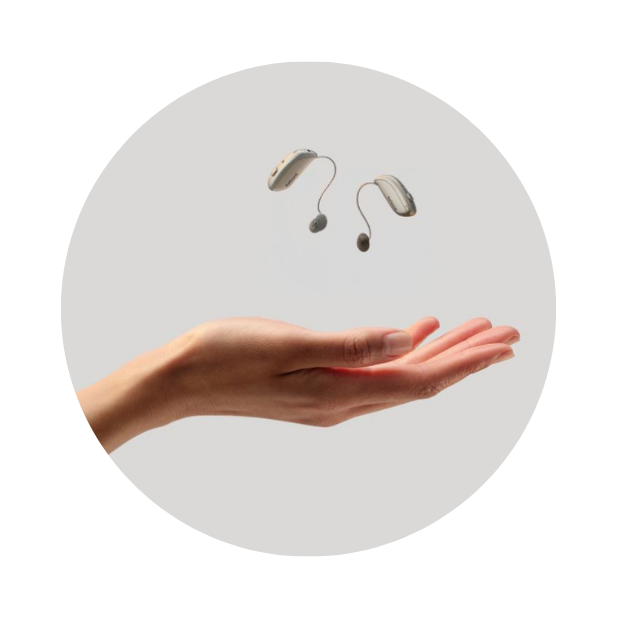
Sensia offers Bluetooth LE Audio, Made for iPhone, Android ASHA and Auracast, all working from day one across the range (exact features vary by style).
There's hands-free calling on compatible iPhones, iPads and Android phones, and up to 24 hours of battery in the rechargeable microRIE.
Hands-free calling uses the hearing aid microphones to pick up your voice, so you can talk on the phone without holding it.
That's pretty handy when you're cooking or driving, or if holding a phone near a hearing aid causes whistling.

Who should consider Resound Sensia 9?
Sensia may suit you if you want a hearing aid that simply gets on with it, with no switching programmes. There's a wide range of styles too, such as the rechargeable microRIE, disposable-battery RIE (size 312 and 13), CIC, wireless ITC, and rechargeable ITC and ITE models. It also suits you if you'd like modern connectivity in a custom In-Ear style.
Why wouldn't you buy Resound Sensia 9?
- Intelligent All-Around is only available at Level 9 in the rechargeable microRIE, as other levels and styles don't get the headline feature.
- The hardware is essentially Vivia's, so the advantage is in the software.
Fitting Styles: RIC, ITE, ITC, CIC
Warranty: 5 years
Charger: Rechargeable; an additional £50 per aid
Best Hearing Aids of 2026 Runner-Up
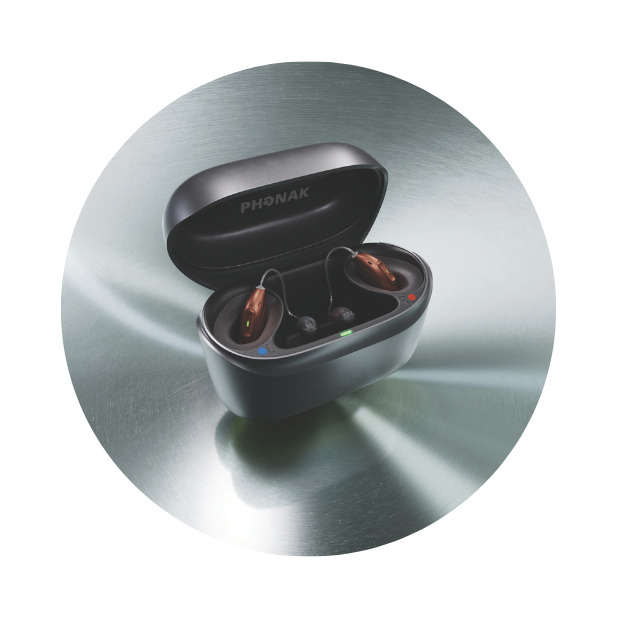
Phonak Audeo EON Sphere E90 (Successor to Infinio Ultra Sphere i90)
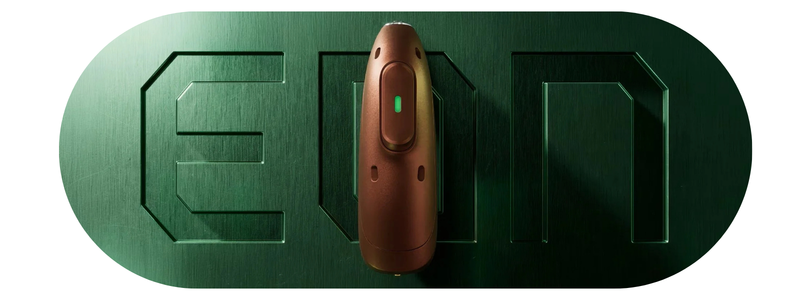
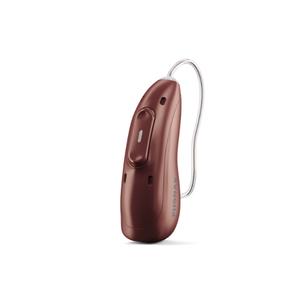
The Phonak Audeo EON Sphere E90 replaces last year's Infinio Ultra Sphere. Based on the specifications and evidence available at the time of writing, it's the most complete package of this autumn's launches. Last year's Infinio Ultra introduced a separate AI chip called DEEPSONIC.
The EON replaces DEEPSONIC with a new, more efficient AI chip called HYPERSONIC, working alongside the same ERA chip from the Infinio range.
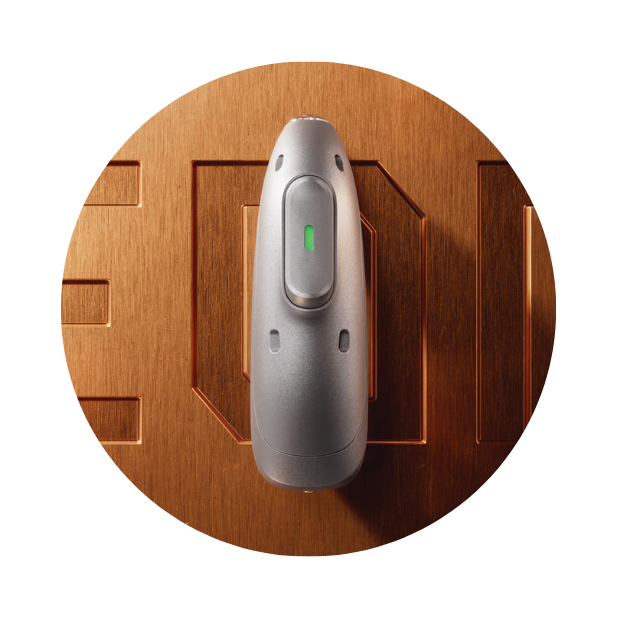
According to Sonova, Phonak's parent company, the EON is 25% smaller and 20% lighter than the previous Sphere, while using 37% less power. That's not a small refinement; this is advanced AI in a noticeably smaller hearing aid.
Whilst this doesn't matter to everybody, there were many who were put off by the size of the Infinio Ultra Sphere aids and actually opted for the more basic model, and therefore a less good hearing aid, just because the Sphere was bulky.
Whether it's the comfort of wearing them or the cosmetics of how they look, size matters with hearing aids.
Speech clarity that builds on a proven feature
The EON Sphere carries forward Phonak's Spheric Speech Clarity, which uses AI to pull speech out of noise from all around you, not just from in front. This matters because conversations don't always happen face to face.
Think of talking to someone in the back seat of a car, walking side by side, or a grandchild calling to you from across the kitchen. Most hearing aids focus on what's in front of you, so speech from the side or behind can get lost.
Phonak's research suggests you're twice as likely to understand every word with this feature switched on than with it off. That study was carried out on the Infinio Ultra, and Phonak also reports that EON outperformed four competitors in a 2026 study, though it hasn't named them.
Phonak's findings also suggest the AI can make a measurable difference in some of the situations where people often find hearing most difficult, including restaurants, family gatherings and busy rooms. The EON now delivers this processing on more efficient hardware.
Battery life and connectivity are a real step up
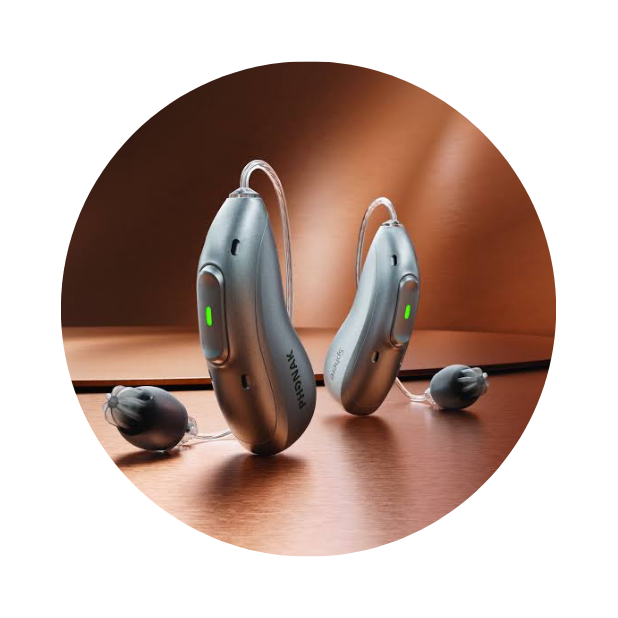
Phonak states the EON gives up to 38 hours on a single charge, with a full charge in around 2.5 hours, and that's Phonak's maximum figure. In reality, it expects around 22 hours of typical use with streaming and time in noise. This is a big improvement over the original Phonak Infinio Sphere, which had significantly higher battery drain when using the AI chip.
There's also a choice of a portable ChargerGo (an optional extra) with its own built-in battery or a desktop charger (included as standard).
In practice, a longer battery means you won't need to recharge before an evening out after a long day, when conversation is often hardest to follow. For connectivity, it works with iPhones, Android phones, tablets and computers. Bluetooth Classic, Bluetooth LE Audio and Auracast all work from day one, and you can pair up to eight devices and connect two at the same time.
Phonak also reports double the Bluetooth range of the previous generation, and they support tap controls, so you can answer phone calls or control streaming by double-tapping the hearing aids themselves, which is quite straightforward once you get used to it.
Who should consider the EON Sphere E90?
The EON Sphere is ideal if busy, noisy places are where you find hearing hardest. It also suits you if you want a small, rechargeable hearing aid that easily lasts a long day and connects to almost anything. If you've been wearing Phonak aids for a few years and love the connectivity, this is a natural upgrade.
Why wouldn't you buy the EON Sphere E90?
Phonak's main areas of focus are on using their AI chip to help with hearing in background noise, and on Bluetooth connectivity. If neither of these things is important to you, there are many hearing aid options that may be better suited to you at a much lower cost.
Any other reasons?
- There's no telecoil, as Phonak sees Auracast as the modern replacement for hearing loops; look at Signia or Oticon below.
- It launched as an RIC only (Receiver-in-Canal). There's no BTE (Behind-the-Ear), no custom In-Ear model and no disposable battery option on this platform.
- The full AI speech separation is only in the Sphere models. The standard Audeo EON R uses Phonak's regular processing.
Fitting Styles: RIC
Warranty: 5 years
Charger: Comes with a charger
Best Hearing Aids of 2026 for Group Conversations and Staying Aware of Your Surroundings
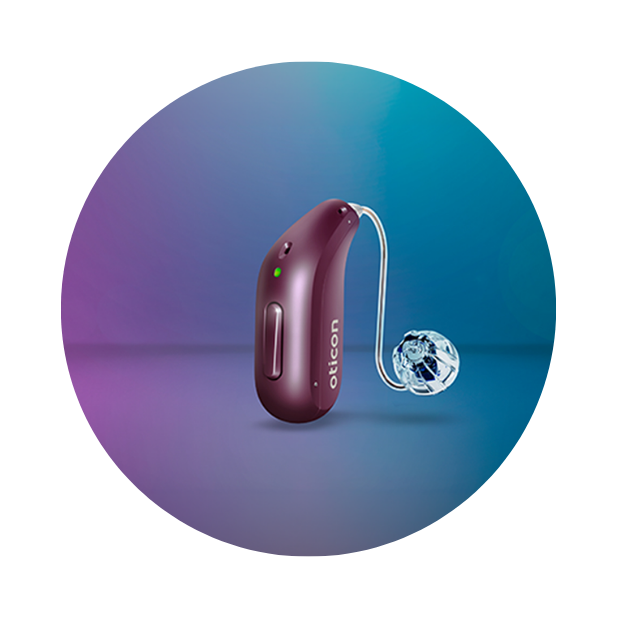
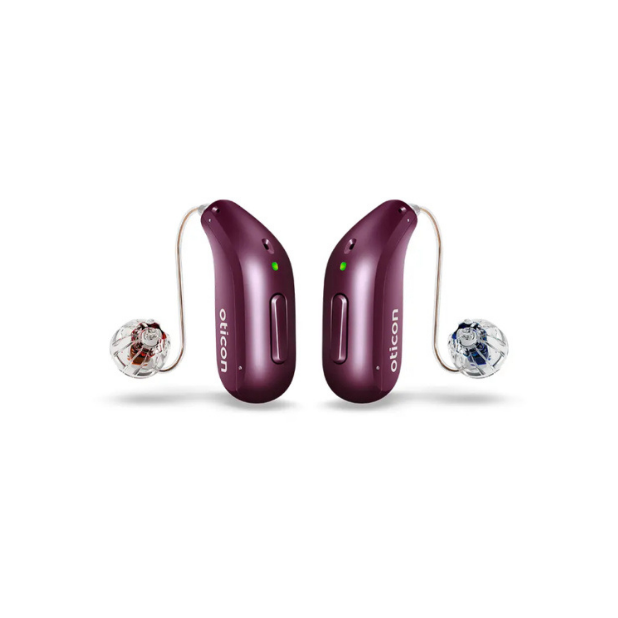
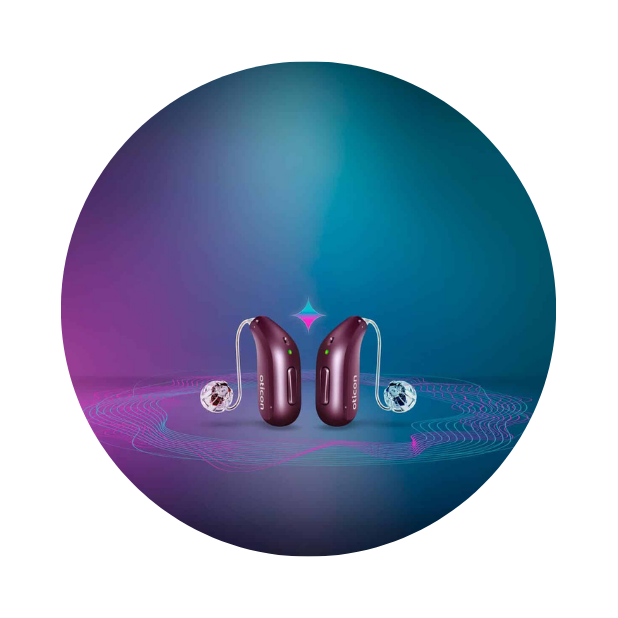
Oticon Reveal 1 (Successor to Intent 1)
Oticon's Intent 1 topped our last list for best overall hearing aid, and the new Oticon Reveal 1 builds directly on it. The 4D Sensor technology is still there, tracking your head movements, activity and conversation, so it doesn't just process what you hear; it knows what you're doing when you hear it.
When walking down a noisy street, the aids know and adjust accordingly, and when having a quiet chat at home, they adapt seamlessly too. In reality, it's as if you have a hearing aid that actually understands your lifestyle rather than just responding to sound levels. How you're moving says a lot about what you want to hear.
Turning towards someone suggests you want to focus on them, while walking along a busy street calls for more awareness of what's around you. Using this information helps the hearing aid respond the way you'd expect.
The AI is now more advanced. The previous generation, the Intent, was their first AI system. The new Reveal aids use two separate AI systems, "Speech AI" and "Context AI", running at the same time. Speech AI enhances voices; Context AI keeps the rest of the sound scene around you.
Both are trained to distinguish between speech you want to hear and noise you don't, even in the most difficult settings.
BrainHearing, taken a step further
Oticon's whole approach has always been about giving your brain access to the full sound scene, not just the voice in front of you. Reveal's second neural network is designed to do exactly that.
Oticon reports that Reveal produces a 60% stronger brain response than Oticon Intent, and describes its speech access as industry-leading.
These findings come from Oticon's own research, so they should be treated as manufacturer-reported results rather than an independent comparison. They point to a hearing aid designed to make speech clearer without making the world sound shut off.
In reality, that means you hear the person you're talking to while still being aware of traffic, a doorbell or someone calling from across the room.
Some people find that hearing aids which cut out too much background sound can feel unnatural or isolating, as though they're listening from inside a bubble.
Oticon's approach is designed to avoid that feeling and to match how the brain naturally processes sound, and it makes a genuine difference to how natural your hearing feels.
Connectivity and battery
Bluetooth LE Audio and Auracast both work from day one, and there's still a telecoil.
According to Oticon, you get up to 24 hours on a full charge, around 2 hours to recharge, and a portable SmartCharger that can recharge a pair at least three times away from the mains.
That's useful for a weekend away or a long day out, without having to find a plug.

Who should consider Oticon Reveal 1?
Reveal may suit you if you lead a varied, active life and want speech to stand out without losing touch with what's going on around you. If you're someone who goes from quiet home environments to busy restaurants to outdoor activities, the Reveal 1's capability to automatically adapt to these changing conditions could make a real difference to daily life.
If your day also looks different every day and previous hearing aids have worked well in some situations but poorly in others, this is worth serious consideration.
Why wouldn't you buy Oticon Reveal 1?
- It launched as a rechargeable miniRITE R (RIC) only. There's no BTE, no In-Ear model and no disposable battery option yet. For an In-Ear Oticon, the Oticon Zeal is still a strong option.
- You might be paying for advanced sensor technology that many people simply don't need. If your days are relatively predictable, such as being mostly at home, with the occasional outing, and similar environments, you'd be paying premium prices for features you won't fully use. The Reveal 1 is a strong choice if you need it, but that doesn't mean everyone does.
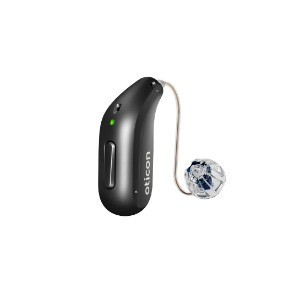
Fitting Styles: RIC
Warranty: 5 years
Chargers: Comes with charger
Best Hearing Aids of 2026 for Connectivity
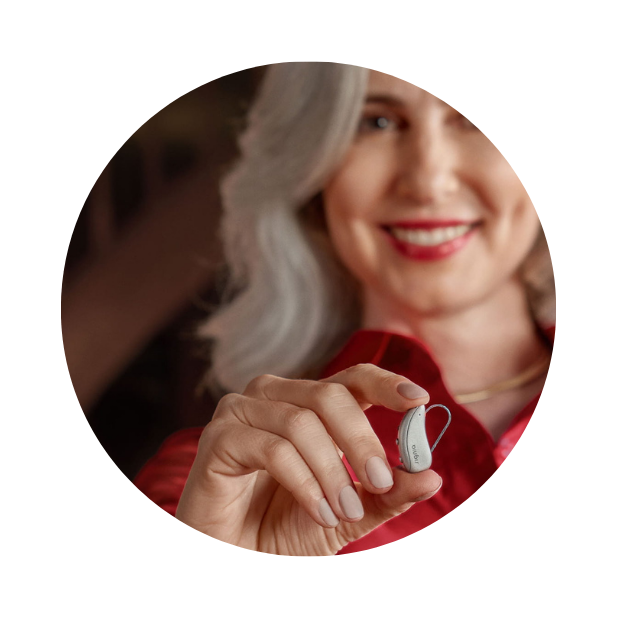
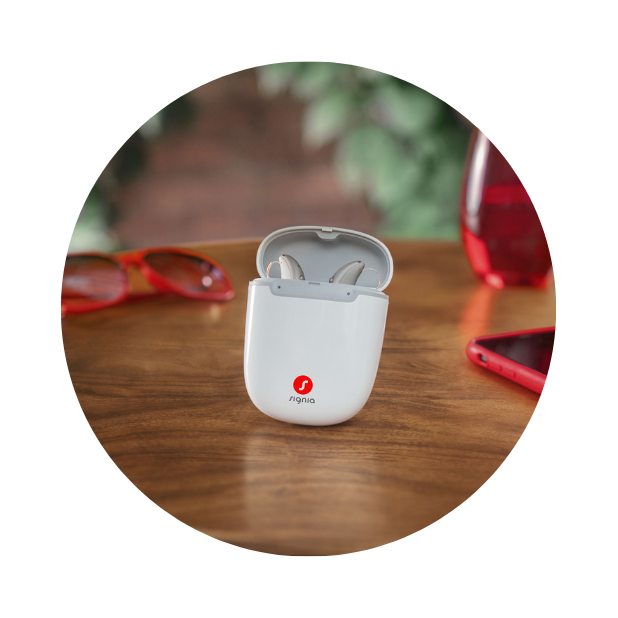
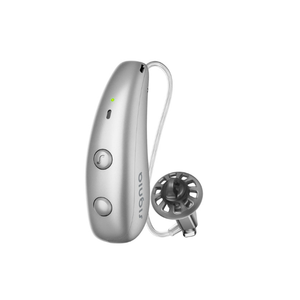
Signia Pure Charge&Go MaX7 (Successor to Pure Charge&Go 7IX)
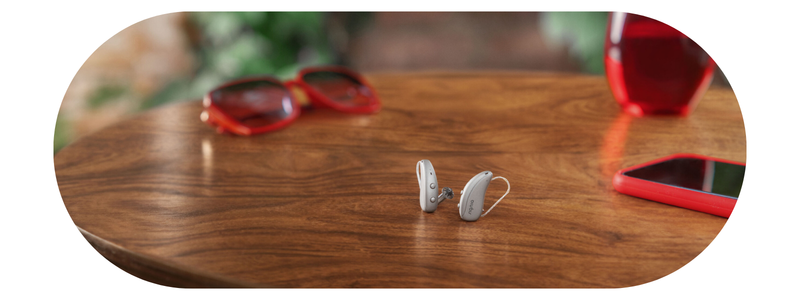
Taking the crown from Phonak on connectivity, Signia now have the broadest set of connectivity options out of all of these new 2026 aids.
Signia calls it OneConnect: Bluetooth Classic, Bluetooth LE Audio and a telecoil, all in one hearing aid. Unlike the Phonak EON, MaX keeps a telecoil, so this may be particularly useful if you use hearing loops. A telecoil picks up the loop signal directly.
The voice from the microphone, stage or counter reaches your ears without the echo, distance and background noise of the room in between. That's why loops are still so valuable in theatres and places of worship.
Auracast lets you tune in to audio broadcasts in places such as airports, stations, gyms and lecture halls, much as you'd choose a Wi-Fi network on your phone. Auracast hardware is built in, and Signia says the software will be switched on by a firmware update by March 2027.
According to Signia, battery life is up to 30 hours without streaming, or 28 hours with 5 hours of LE Audio streaming. A 30-minute quick charge gives up to 6 hours, which is handy if you forget to charge overnight. The portable charger holds four full charges and supports Qi wireless charging, so it's another good option for a long weekend away.
Separate neural networks
The Signia Pure Charge&Go MaX7 replaces the Charge&Go IX, which was already a solid all-rounder hearing aid range. MaX takes that further with separate neural networks which process sounds in real time, improving the voices of everyone around you rather than focusing solely on whoever's directly in front.
Rather than one neural network, MaX runs four, each with its own job. One detects speech, one recognises your own voice, one analyses your surroundings and one handles noise, and they work together in real time.
Why process your own voice separately? One of the most common things new hearing aid wearers notice is that their own voice sounds louder, hollow or "boomy".
Handling your voice separately from everyone else's helps keep it sounding natural, which can make those first few weeks of wearing much easier. It's one of those features you don't notice when working well, but you'd definitely notice if it wasn't there.
More processing power for real conversations
According to Signia, the new chip has 54 times the processing power and twice the memory of IX. Signia also says its RealTime Conversation Enhancement now processes 75% more data points per second.
This matters because real conversations are messy, with people interrupting and contributing from different directions. Signia MaX is designed to keep up with this, with the aim of making group conversations less tiring to follow.
Who should consider the Signia MaX?
Obviously a strong choice for those who need the connectivity options offered by these aids, MaX is also a great all-rounder hearing aid, and for people who have tried aids before and found their own voice off-putting, they should book a demo. It's also a good option if you use hearing loops and want the latest technology without giving them up.
Why wouldn't you buy the Signia MaX?
Auracast isn't switched on yet. It's promised by March 2027, but if you need it today, Phonak, Oticon, and Starkey have it now. It's only available as a RIC at launch. If you love last year's Signia Silk, there's no Silk, Styletto, Insio or Motion version of MaX yet. The Silk 7IX is still an option if you prefer an In-Ear style.
Fitting Styles: RIC
Warranty: 5 years
Charger: Comes with a standard charger. Upgrade available.

Best Hearing Aids of 2026 for Natural Sound
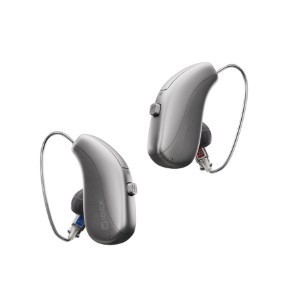
Widex Allure AI 440 (Successor to Moment and new addition to the Allure range )
The Widex Allure platform, on the W1 chip, launched in March 2025. The new Widex Allure AI 440 adds a dedicated AI co-processor called Clarity Boost for noisy places, which was introduced in May 2026 and is only available on tech levels 440 and 330.
ZeroDelay: why Widex sounds so natural
According to Widex, the W1 chip is four times faster and has four times the memory of the Moment platform. Its PureSound with ZeroDelay has a delay as low as 0.5 milliseconds, the lowest documented on this page.
Why does delay matter? Every hearing aid takes a tiny moment to process sound. With an open fitting, some natural sound also reaches your ear directly. If the processed sound arrives even slightly later, the two can combine to sound echoey, tinny or artificial, especially your own voice

A very short delay helps them blend naturally, and Widex designs this to make sound, especially your own voice, feel as natural as possible.
That's why Widex has long been popular with music lovers and people who notice a "processed" sound in other hearing aids.
Clarity Boost
Clarity Boost also works differently from the other AI systems here.
Rather than running all the time, it's an on-demand boost you switch on when a place gets noisy.
For some people, that control is the point: you get natural sound most of the time, and extra help only in the places where you want it.

Who should consider Widex Allure AI 440?
Allure may suit you if natural sound quality matters more to you than anything else. Allure AI comes as a rechargeable RIC (the Allure AI RIC R D). However, if you'd prefer a BTE or In-Ear style, the standard Widex Allure range includes a rechargeable BTE and Widex's first rechargeable ITE, without Clarity Boost.
Why wouldn't you buy Widex Allure AI 440?
- Auracast hardware is built in, but the software hasn't been released.
- It's rechargeable only on the RIC, with around 25 to 29 hours of battery life.
- Clarity Boost is only available at the 440 and 330 technology levels.
Fitting Styles: RIC, BTE, ITE
Warranty: 5 years
Charger: Comes with charger
Additionals: AI RIC RD model is an additional £100 per aid
Widex Allure Full Range
Best Hearing Aids of 2026 for Health Tracking
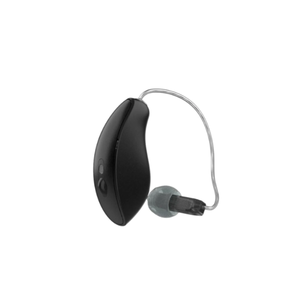
Starkey Omega AI Plus 24 (Successor to Omega AI 24)
While most manufacturers on this list lead with speech in noise and connectivity, Starkey has spent the last few years turning its hearing aids into something closer to a wearable wellbeing device. Omega AI Plus is the most up-to-date version of that idea so far.
Health tracking you’ll actually wear
Through the My Starkey app, Omega AI Plus tracks your exercise and social activity on all three tech levels, with respiratory rate monitoring on the higher levels.
For many families, the feature that might matter most is fall alerts. According to Starkey, if the hearing aids detect a fall, the app can alert contacts you’ve chosen. It isn’t a replacement for a personal alarm, but for someone who lives alone, or an older relative whose family worries about them, it could be reassuring.
Looking at what we know so far, Omega AI Plus also introduces Sleep Quality Tracking, which gives nightly sleep scores and information about sleep quality. It’s important to understand that it is wellness information rather than a medical test, so it can’t diagnose a sleep disorder.
At launch, Starkey has only made sleep tracking available in the US, and it hasn’t yet confirmed whether it will come to the UK. We’ll update this article if that changes.

An app that does more than volume
At the 24 level, My Starkey adds a Gen AI Smart Assistant, translation and transcription, and a new Hearing Aids Left Behind alert. This conveniently sends a notification to your phone if you walk away without your hearing aids.
Chip, battery and connectivity
Starkey’s new G4 chip runs four AI systems at once, and at the 24 level, Edge Mode (which gives you extra help in noisy places) can stay switched on all the time.
On previous Starkey aids, you had to switch Edge Mode on yourself through the app, and as with programme changes, many people simply wouldn’t. Leaving it on means the extra help is already there when a quiet room suddenly gets busy.
Starkey says its rechargeable RIC RT model gives up to 51 hours of battery life without streaming, which would be the longest battery life on this list, and it keeps a telecoil for hearing loops. Auracast works now too, through the Auracast assistant in the My Starkey app.

Who should consider Starkey Omega AI Plus 24?
Omega AI Plus may suit you if you’d like your hearing aids to keep an eye on your wellbeing as well as your hearing, if you live alone and want peace of mind, have family who’d value fall alerts, or if you want the longest possible battery life.
It also comes in more styles than most aids on this list, including rechargeable and disposable-battery RICs and rechargeable In-Ear models, so it’s worth a look if you’d prefer something other than an RIC.
Why wouldn’t you buy Starkey Omega AI Plus 24?
- The assistant, translation, always-on Edge Mode and Left Behind alert are on the 24 level only.
- The original Omega AI keeps health tracking and fall alerts at a lower price.
Conclusion
There has never been more choice in hearing aid technology, and this year’s launches are a genuine step forward. Smaller devices, smarter AI and much longer battery life mean today’s premium hearing aids are better than ever at helping in the situations people find hardest.
There’s no single best hearing aid, though. The right one for you depends on where you struggle most, how you like to connect, which style you prefer, and whether you’d rather your hearing aids adjust automatically or let you take control. A hearing aid packed with features you’ll never use isn’t better value than a simpler one that suits your day-to-day life.
Because these hearing aids are so new, we’ve based this guide on published specifications and manufacturer research rather than long-term, real-world results. As independent test results and our own fitting experience come in, we’ll update these rankings.
If you’d like help choosing, our HCPC-registered independent audiologists can talk you through the options, fit and fine-tune your hearing aids, and let you try them in everyday life, either at one of our 93+ UK clinics or at a free home visit. Book a free consultation today to find the hearing aid that suits you best.
Fitting Styles: RIC, ITE, CIC, ITC, IIC
Warranty: 5 years
Charger: Rechargeable; an additional £100 per aid
Available for pre-order; distribution from the 26th of October 2026
Starkey Omega AI Plus Full RangeWhich hearing aid is right for you?
The best hearing aid for you might not have all the bells and whistles and the feature-rich specifications.
Rather choose a solution that has less, than spend money on technology you just simply won't use.
Still unsure which of the best hearing aids is right for you? Book a free hearing consultation with our HCPC- registered audiologists today.
We’ll guide you through the options available and the right hearing solution that best suits your hearing loss needs and lifestyle.


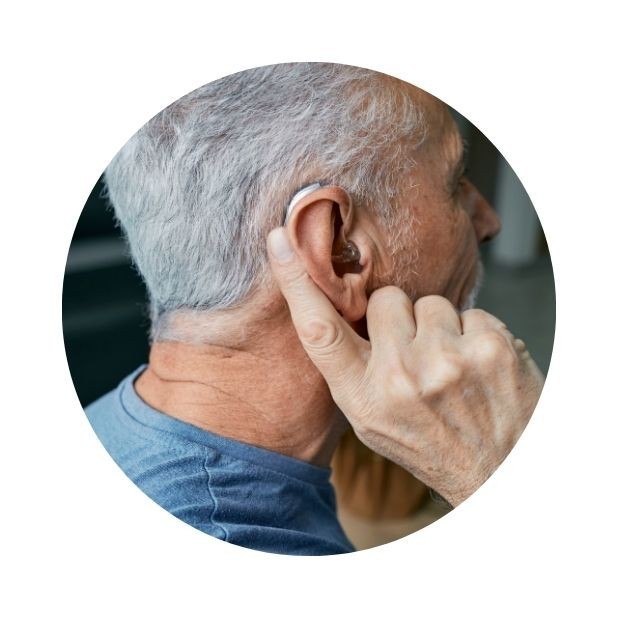
Comparing hearing aids is a great place to start
You may be wondering how to find the right hearing aids for you or which hearing aids are the most beneficial for you and your hearing loss; either way, it can become an overwhelming experience for some.
When you compare hearing aids online, it can all get rather confusing, especially when some hearing aid providers aren't transparent with their pricing. That being said, hearing aid comparisons are a great place to start.
If you are on the hunt for a hearing aid, finding the right hearing aid type and style depends on your level of hearing loss, lifestyle, aesthetic preferences, and other priorities.
However, investing in hearing aid devices doesn't necessarily mean you have to purchase the best hearing aids you can buy.

Where should I buy my hearing aids?
Where you purchase your hearing aids is important, too. For instance, whether you opt for private hearing healthcare and hearing aids or choose to go with the NHS is entirely down to personal choice.
However, seeing a private audiologist will give you access to a wider range of hearing aid brands, types, and styles as well as a more personalised hearing experience.
If you decide to go with the NHS or buy Over-the-Counter (OTC) hearing aids online, you will find yourself with limitations in device, type, style, connectivity, and customisation.
This is why researching hearing aid companies, brands, and prices is a valuable first step.

Private independent hearing aids
When researching hearing aid shops near you and where you'll get the best hearing aids, the service, and aftercare, you only have to look at the Which? Report.
This report states, year after year, that independent companies, like us, come out on top for hearing aid providers in the UK and are the best place to get your devices from.
Hearing aid suppliers and independent audiologists like Hearing Aid UK can advise on the right hearing aid for your hearing loss from the top hearing aid brands in the industry.
We can also provide digital hearing aid accessories from all of the brands if needed.
However, unlike most other hearing aid companies, our range is not limited.
This is because we are not owned or affiliated with any of the manufacturers, so we are able to offer the full range of hearing aids without prejudice.
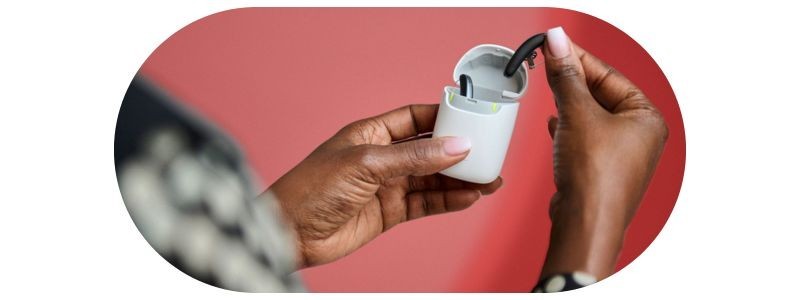
What are the best hearing aid styles for me?
How to get started finding the right style for you
Do you already wear hearing aids?
If you are already wearing hearing aids and looking to upgrade them, most of our customers start with a similar style to what they are used to and already have. This means you are more aware of the device and you can adjust quickly, but you now benefit from the new and more modern features.
You must always have your hearing tested again before upgrading your hearing aids, as over time your hearing can change, and you may have different priorities and hearing needs.
However, priority should always be the best product for better hearing, and if you have had your hearing aids for around 3-4 years, there will almost definitely be advanced hearing technology that will serve your hearing loss better.
What are your hearing needs?
It is always best to understand your specific hearing needs when researching the right hearing aids for you, as different hearing aids are better in certain situations than others. Do you struggle with conversations in noisy environments, or do you need help primarily in quiet settings?
Consult with an audiologist or hearing healthcare professional for a thorough hearing test, which will show the severity and type of your hearing loss, which is important in choosing the best hearing aid.
Is discretion important to you?
Some people prefer the discretion of a small hearing aid, while others may not mind a more noticeable device. However, even behind-the-ear styles are significantly neater than they were years ago. There's more choice now too, today's hearing aids come in many different styles, including:
- Behind-the-Ear (BTE)
- Receiver-in-the-Canal (RIC)
- In-the-canal (ITC)
- In-the-Ear (ITE)
- Invisible-in-Canal (IIC)
- Completely-in-the-Canal (CIC)
What is your hearing loss level?
For your hearing aids to be successful, the actual fit and acoustic compatibility, done at your programming and fitting appointment, is the most important. This is often called the best first-fit experience by audiologists.
In short, your actual fit is how the hearing aid fits in your ear, which can ultimately affect the way you hear and whether you are comfortable wearing it or not. The acoustic fit is how your device settings are catered for your individual hearing needs by your audiologist.
For example, if you have low-frequency hearing loss, a comfortable and snug fit of a Completely in the Canal or In the Canal hearing aid style would help process sound while remaining discreet. The occlusion will also help stop unwanted background noise.
How much are hearing aids?
Understanding hearing aid prices and costs in the UK is usually important for those seeking better hearing. The cost of hearing aids can vary widely based on factors like technology level, brand, and features. Unlike us, some hearing aid providers don't display their prices, so it makes comparing audiologists, models and brands even more difficult.
Basic hearing aid models are more budget-friendly, while advanced, feature-rich options come at a premium. In the UK, prices typically include services like hearing tests, fitting, and follow-up care, adding to the overall expense. Hearing aid accessory choices and ongoing maintenance can also affect the final hearing aid cost.

What is your budget?
There are also hearing aid technology levels to consider. These are generally basic, standard, and premium, and like with all technology, the more sophisticated the technology, the more you will pay for your devices.
A good audiologist will show you the latest hearing aids that are available, talk through the hearing aid's new features in the industry, and discuss the features versus benefits with you, with your hearing loss level in mind.
An audiologist will also advise on the best technology level for your hearing loss, as you shouldn't have to pay for more than you need and for features you won't use. Hearing aids vary in cost, and insurance coverage may be a factor.

Do you have dexterity concerns?
If you have dexterity problems, smaller hearing aids might be a challenge for you. Low-profile In the Ear hearing aids or Behind the Ear (BTE) options might be easier to handle.
The batteries are also bigger, so these will be easier to change too.
You might even want to consider rechargeable hearing aids, which require no battery changes at all.
Hearing aids with automation might be beneficial, as there are no tiny buttons you have to press on the device to adjust settings such as volume.
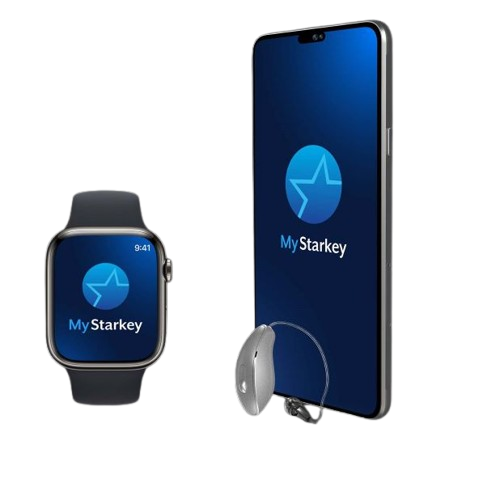
Do you lead an active lifestyle?
If your activities are limited, you are homebound or require care support, Behind the Ear (BTE) hearing aids might be more practical.
This is because they can include earmolds that are easier to fit comfortably in the ear and can easily be managed by a care support worker.
In such lifestyle situations, you might want to consider assistive listening devices for some extra amplification for TV programs or doorbells.
On the other hand, if you lead an active lifestyle, there are now plenty of 'healthable' hearing aids on the market providing additional features, such as fitness tracking or heart monitoring, designed to enhance and keep up with your lifestyle.
Our specialist service includes:
Do not spend hundreds of pounds without getting a second opinion from us.
Please call us on 0800 567 7621
 Not only are the prices great, but the service is fantastic! Many thanks to your team.

Why choose Hearing Aid UK to help you find the best hearing aids for you?
What's included in our hearing aid prices?
Discover the best digital hearing aids in 2026



Common questions about the best hearing aids for 2026
If you have dexterity problems, smaller hearing aids might be a challenge for you. Low-profile In the Ear hearing aids or Behind the Ear options might be easier to handle and the batteries are bigger, so these will be easier to change too.
What is the best hearing aid style for low-frequency hearing loss?
If you have low-frequency hearing loss, a comfortable and snug fit of a Completely in the Canal or In the Canal hearing aid style would help process sound while remaining discreet. The occlusion will also help stop unwanted background noise.
What hearing aid technology level is best for me?
There are basic, standard and premium technology levels - and like with all technology the more sophisticated the technology the more you will pay for your devices. Your audiologist will advise on the best level for your hearing loss. You shouldn't have to pay for more than you need and for features you won't use.
Are expensive hearing aids worth the money?
Expensive hearing aids may not, in reality, meet your needs or expectations. Just because a hearing aid is more expensive does not necessarily mean that you will be more satisfied or that it is a better hearing aid. Your audiologist will go through all the hearing aids that are a good fit for your level of loss, lifestyle and preferences.
What are the best hearing aid companies?
The main eight hearing aid manufacturers that have a strong and reliable reputation for producing quality hearing aids are: Bernafon, Unitron, Phonak, Resound, Oticon, Signia, Widex and Starkey.
What are the easiest hearing aids to use?
The easiest hearing aid to use all depends on what level of hearing loss you have, your communication needs, dexterity, lifestyle, personal preferences and more.
By talking with your audiologist about such specifics and hearing health history, you can both determine the right hearing solution for you.
Where can I buy the best hearing aids in the UK?
The hearing aids featured in this guide are available through Hearing Aid UK, where they are professionally fitted and fine-tuned by HCPC-registered audiologists.
Hearing Aid UK provides hearing aids from leading manufacturers including Phonak, Oticon, ReSound, Signia, Rexton, Widex, Starkey, Unitron and Bernafon, with appointments available at UK clinics or through free home visits.
Your hearing test, professional fitting, programming, aftercare and fine-tuning are included in our hearing aid prices.
Why buy your hearing aids from Hearing Aid UK?
Hearing Aid UK is an independent UK hearing-aid provider offering hearing aids from all major manufacturers. Our HCPC-registered audiologists provide hearing tests, professional fitting and programming, and ongoing aftercare.
We offer appointments through our UK clinic network and free home visits, allowing you to compare hearing aids from different manufacturers rather than being limited to one brand. You can also enjoy:
- Independent advice
- Multiple manufacturers
- HCPC-registered audiologists
- Free hearing test
- Professional fitting
- Free home visits
- Lifetime aftercare
- 60-day money-back guarantee
Other pages you might find useful
Ask the Experts

Get free independent impartial advice from the experts you can trust. We offer nationwide coverage and huge savings on all our hearing aids.
6 Morton Lane
Walkwood
Redditch
Worcestershire
B97 5QA
Latest Launch
When we refer to a product as 'Latest Launch', we mean it is the latest to be released on the market.
New
When we refer to a product as 'New', we mean that the product is the newest hearing aid model on the market.
When we refer to a product as 'Superseded', we mean that there is a newer range available which replaces and improves on this product.
Older Model
When we refer to a product as an 'Older Model', we mean that it is has been superseded by at least two more recent hearing aid ranges.