




Head of Online Medical Content

Audiology Expert & Founder of Hearing Aid UK
Last Hearing Aid UK Update: 11/06/2026
Best Bluetooth Hearing Aids
What are Bluetooth hearing aids?
Bluetooth hearing aids connect wirelessly to your phone, TV, tablet and other devices, so you can stream phone calls, music and TV audio straight to your hearing aids without headphones.
Most modern hearing aids from the leading brands now include Bluetooth as standard, and for many people, it genuinely changes the way they use their hearing aids day to day.
The question is not really "what is Bluetooth?" It’s whether streaming will make a real difference to how you live day to day. If you regularly use your phone, watch television, or take video calls, the answer is usually yes.
If you mainly need clearer hearing for face-to-face conversation and rarely stream audio, a non-Bluetooth model might suit you just as well at a lower price.
Hearing Aid UK supplies and fits Bluetooth hearing aids from all the leading manufacturers, including Phonak, Oticon and Signia. Every pair is fitted in person by an HCPC-registered audiologist, either at one of our 93+ clinics or during a free home visit, and your audiologist will set up the connection to your phone and TV before you leave.

Who should consider Bluetooth hearing aids?
Bluetooth hearing aids are particularly beneficial if you:
- Make regular phone calls and want hands-free convenience
- Watch television and struggle to hear dialogue clearly
- Listen to music, podcasts, or audiobooks on your smartphone
- Attend video calls for work or keep in touch with family
- Use GPS navigation whilst driving
- Want discreet control of your hearing aids without touching them
- Lead an active lifestyle with varied listening environments

Quick benefits of Bluetooth-enabled hearing aids
These are some of the main advantages of using Bluetooth hearing aids, including improved sound quality, convenience, and enhanced user experience.
Watching TV
You can stream TV audio directly to your hearing aids via Bluetooth.
Chatting on the phone
Calls stream straight into both hearing aids, which many people find clearer than holding a phone to one ear. Some models also support hands-free calling, so you can talk without holding your phone at all.
Listening to music
Stream your favourite music directly to your hearing aids without the need for headphones.
Bluetooth hearing aids, how do they work?
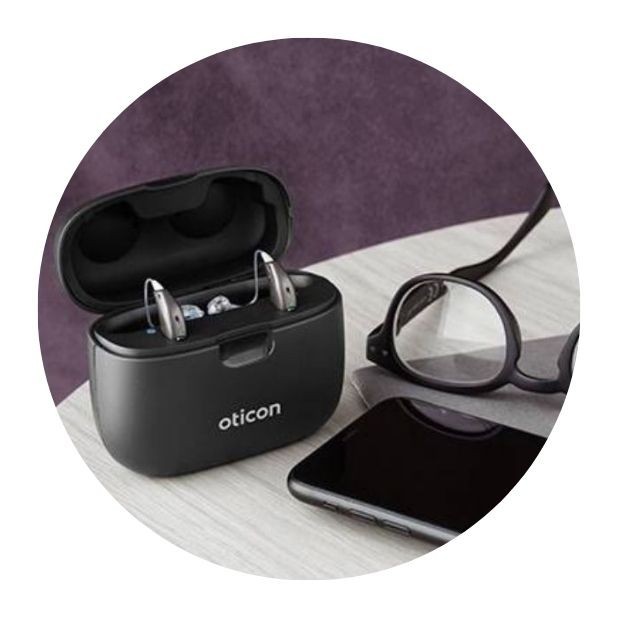
Bluetooth hearing aids transmit radio waves through high-frequency channels to connect to another source.
They are paired with each other to communicate data safely by changing frequency continuously, thousands of times per second.
Bluetooth technology research began by Ericsson in the early 1990s.
The Bluetooth Special Interest Group (SIG), the body that governs the standard, was formally established in 1998, with the goal of creating a universal wireless connection between devices.
Today, over 33,000 companies are members of the SIG, and Bluetooth is built into virtually every smartphone, tablet, and laptop sold worldwide.
Bluetooth hearing aids keep you connected
Hearing aids with Bluetooth connectivity enhance your everyday life and keep you connected to both iOS and Android phones, as well as other wireless devices.
You can also connect Bluetooth hearing aids to TV systems and other devices in your own home.
Historically, hearing aids held limitations for hearing aid wearers in regard to accessing audio devices like mobile phones. You can imagine this was quite frustrating.
For example, if they wanted to jog and listen to music at the same time, they would have to remove their hearing aids and switch to headphones.
Bluetooth hearing aids have come a long way, and modern hearing aids are so much better, accommodating both connections to audio devices and streaming sound straight to your hearing aids.
There are different types of Bluetooth hearing aids
How Bluetooth hearing aids improve daily life
Real-world scenarios
Beyond the technical specifications
The real value of Bluetooth isn’t the technology itself; it’s the small moments it makes easier: catching every word on a call, enjoying the TV at a comfortable volume, or not missing the context on a family video call.
At the supermarket checkout:
Your phone rings whilst you're packing shopping, answer it with a tap on your hearing aid rather than fumbling for your mobile.
During family video calls:
Stream your grandchildren's voices directly into both hearing aids with crystal-clear quality, without asking them to repeat themselves.
On your walk:
Listen to your favourite podcast whilst remaining aware of traffic and cyclists approaching from behind.
Cooking dinner:
Follow along with a recipe video streaming to your Bluetooth hearing aids whilst keeping your hands free for chopping and stirring.
At the cinema:
Connect to venues with Auracast technology (coming soon) to hear films at your preferred volume without disturbing others.
In the car:
Navigate using GPS directions streamed directly to your Bluetooth hearing aids without missing crucial turning instructions. These aren't just nice-to-have features; they're genuine quality-of-life improvements that help you stay connected and independent.
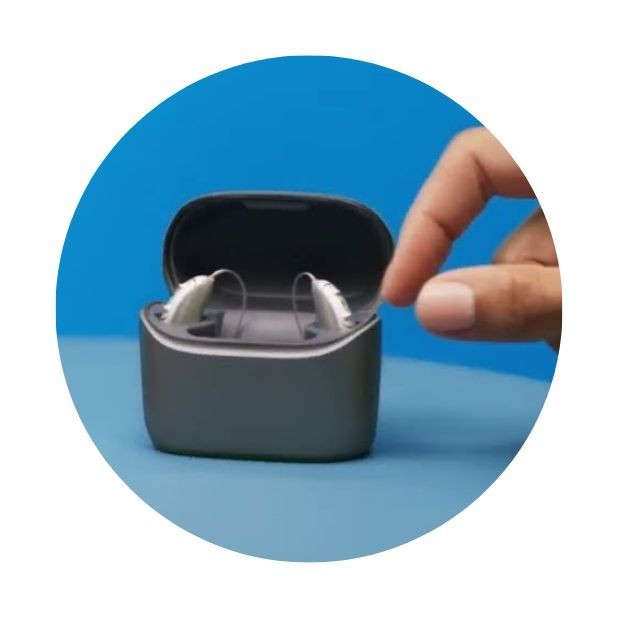
Bluetooth Hearing Aids For Any Phone
Made for Any Phone Hearing Aids
Made for any Phone Bluetooth hearing aids offer universal compatibility with any Bluetooth-enabled smartphone or device, without needing a separate streamer.
This includes both iPhones and Android devices, as well as laptops, tablets, and other Bluetooth-enabled electronics. Within the UK, this capability is available across the Phonak and Unitron ranges.
Offering you the flexibility of having connectivity to any smartphone or mobile phone, whether it's an iPhone or an Android, with Bluetooth capabilities.
This is for audio and call streaming (and pretty much any electronic device with Bluetooth).
MFA hearing aids offer advanced sound processing, improved speech clarity, noise reduction, adaptive features, and enhanced comfort.
Providing users with a customised hearing experience for better overall listening in various environments.
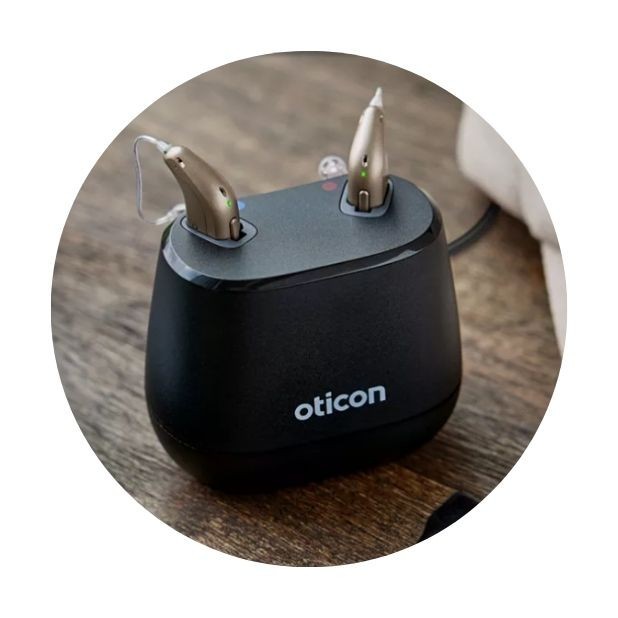
Bluetooth Hearing Aids iPhone
Made for iPhone Hearing Aids
Bluetooth hearing aids for iPhones are also acknowledged as both MFI and Made for iPhone hearing aids, which basically means a technology that can be paired with iPhones, iPads, and iPods.
It is an Apple-specific licensed product that includes a variety of devices to connect and integrate.
You might want to consider a rechargeable option if you are buying Bluetooth hearing aids compatible with an iPhone.
This means you are able to take full advantage of the direct Bluetooth hearing aids streaming capabilities.
They enhance sound quality, offer seamless connectivity, allow personalised settings, support phone calls and media streaming, improve communication, and provide convenience through app controls for better hearing experiences.
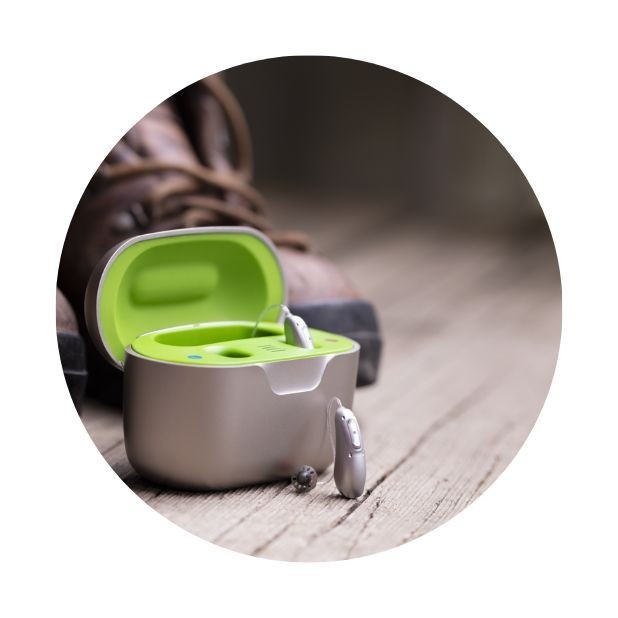
Bluetooth Hearing Aids Android
Made for Android Hearing Aids
Before Android 10, Android developers were having a bit of a problem. They hadn't invested enough time to research, develop, and launch hearing aid integration.
Android displayed similar features to those of the Made for iPhone hearing aids, but had always needed a streamer, whilst Apple was a direct connection. All that has changed.
Over the last few years, Google has been dedicated to making Bluetooth hearing aids for Android phones more accessible to people with hearing loss.
The company launched an app called Sound Amplifier, turning your Android smartphone into a hearing aid.
They provide seamless connectivity, direct streaming of calls and media, customisable sound settings, enhanced speech clarity, noise reduction, and easy control through compatible apps for a tailored listening experience.
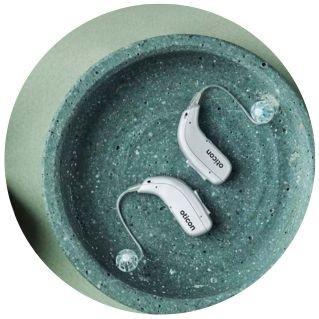
Are Bluetooth hearing aids right for me?
Development, our opinion, and telecoil technology
Bluetooth development has been a challenge
Even though hearing aid manufacturers saw huge potential and benefits to Bluetooth hearing aid technology over the years, the development hasn’t been plain sailing.
Originally, the transferred audio wasn’t of great quality and relied on huge amounts of power. Hearing aids are tiny and run on small batteries, so manufacturers had to find ways to stream good-quality sound without draining them.
That’s why some earlier models needed a connective device, known as a streamer, to act as a go-between. Many of today’s hearing aids connect directly instead.
What do we think of Bluetooth hearing aids?
Most consumers and audiologists would say they were better, even though Bluetooth hearing aid connectivity doesn’t ensure better-performing hearing aids.
One of the main benefits of Bluetooth hearing aids is their ability to connect to a wide range of devices, including phones, TVs, and music players.
This means users can stream audio straight to their hearing aids, which is a real help if you struggle to hear in noisy places or find it hard to follow speech.
Bluetooth hearing aids also let you take control remotely. Many come with a remote or an app so you can adjust the volume, switch between listening programmes, and tweak other settings without fiddling with tiny buttons, handy if dexterity is an issue.
On top of that, most models include noise reduction and feedback reduction, which help make the overall listening experience that much smoother.
They may also come with directional microphones, which can help to improve speech understanding in noisy environments.
Telecoil and Bluetooth
Most people have heard of Bluetooth, but there's another clever bit of technology quietly built into many hearing aids called a telecoil, or T-coil for short. It's a tiny copper coil that picks up magnetic signals from compatible phones, hearing loops, and the kind of public sound systems you'll find in places like theatres, churches, and train stations.
Where Bluetooth keeps you connected to your own devices at home or out and about, the T-coil comes into its own when you're in a public space fitted with a loop system, cutting through the background noise so you can hear what's actually being said.
Together, the two technologies complement each other rather than compete: Bluetooth is ideal for streaming from your personal devices at home or on the go, while the T-coil kicks in when you're out in public spaces equipped with a loop system, cutting out background noise and delivering sound directly and clearly.
Many modern hearing aids include both, meaning you get the best of both worlds without needing to think too much about which one is doing the work.
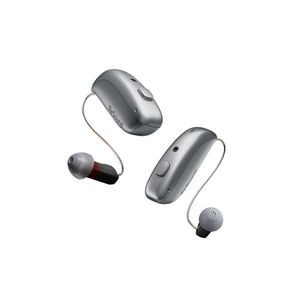
Common Bluetooth hearing aid connection issues
(and how to solve them)
Bluetooth hearing aid technology has improved dramatically
However, you might occasionally encounter these situations:
- Connection drops during phone calls: Usually resolved by ensuring your smartphone is within the recommended range (typically 3-10 metres, depending on the model) and isn't obstructed by walls or your body
- Audio delay when watching TV: Some Bluetooth hearing aids have a slight lag between video and audio. TV streamers specifically designed for hearing aids eliminate this issue
- Difficulty pairing with new devices: Most Bluetooth hearing aids can only pair with a limited number of devices (typically 8-10). You may need to "forget" unused devices to add new ones
- Battery drains quickly with Bluetooth: Streaming audio uses significantly more power than regular hearing aid use. If you stream for several hours daily, consider models with longer battery life or keep a portable charger handy
- One hearing aid connects, but the other doesn't: This usually indicates the hearing aids need re-pairing with each other first, then with your device. Your audiologist can walk you through this process
Your audiologist can troubleshoot these issues during follow-up appointments, and most modern Bluetooth hearing aids include detailed pairing instructions in their accompanying apps.
Bluetooth industry terms for hearing aids
Made for iPhone hearing aids (MFI)
These connect directly to iPhones without an additional streamer for streaming calls and audio.
MFI hearing aid devices don’t always connect to Android phones and might need a streamer to be successful.
Made for Android hearing aids or Made for Any Phone (MFA)
These, in the past, still needed an additional streamer, but since Android 10, the future of direct connection has become brighter.
These now connect to any mobile phone with Bluetooth capabilities and pretty much any Bluetooth device.

Bluetooth hearing aid costs
How much are Bluetooth hearing aids in the UK?
With the introduction of Bluetooth 4.0, this innovation, as well as the rise of lithium-ion rechargeable batteries, means Bluetooth hearing aids are now widely available.
They have become rather mainstream and, therefore, result in many Bluetooth hearing aid prices being no more expensive than those that don't have this technology.
Bluetooth hearing aids are now available across all technology levels. Prices start from around £795 per aid for entry-level models, rising to £1,995 per aid for the most advanced options.
All prices include your hearing test, fitting, and aftercare for life. In most cases, our prices are around 40% less than the high street. You might have visited a high street hearing aid retailer and been quoted a high price for hearing aids.
We recommend you compare our prices, which are published for all to see. We are Which? recommended and trusted by over 31,000 customers across the UK.
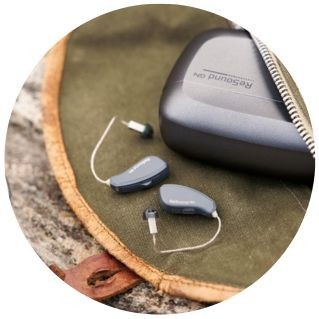
Advantages of Bluetooth hearing aids
Streaming, listening experience, localisation, and what to ask your audiologist
Bluetooth hearing aid benefits
Even if you need an additional hearing aid streamer to benefit from wireless connectivity and functions, Bluetooth hearing aids offer a plethora of advantages to hearing aid wearers. Here are the top four benefits, as highlighted by our audiologists.
1. Bluetooth hearing aids give you better control
You can control sound more easily with Bluetooth hearing aids, as sound can be adjusted remotely through your smartphone or using a streamer. This means you will have full control and management of your hearing aids at your fingertips.
This is a huge benefit to those who wear discreet hearing aids and cannot gain access to any external controls to make adjustments.
2. You get a more tailored listening experience with Bluetooth hearing aids
You can stream sound directly to both hearing aids with Bluetooth hearing aids. For example, when you are on the phone, you can stream sound into just one hearing aid device so you can continue to hear your surrounding sounds.
Alternatively, you can stream music into both hearing aids, as you would with headphones. This benefits you because you will always have a natural and realistic listening experience.
3. There is better localisation with Bluetooth hearing aids
Bluetooth hearing aids work together, syncing to mimic the way your own two ears naturally locate sound. This makes it easier to tell where a sound is coming from. Without Bluetooth, hearing aids usually process sound on their own, which can make it harder to judge direction.
4. Bluetooth hearing aids allow for multiple connectivity
Hearing aid streamers can often connect to several Bluetooth devices at once, so you can switch easily between whatever you want streamed into your hearing aids, phone calls, TV, music and back again.
What to ask your audiologist regarding Bluetooth hearing aids
Before you consider purchasing your Bluetooth hearing aids, reflect on your needs and priorities, as well as discuss your queries, anxieties, and expectations with your audiologist.
At the end of the day, you mustn't be paying for what you ultimately don't need.
Here is our consumer tick list for those who are thinking about upgrading or purchasing Bluetooth hearing aids, and some questions you might want to ask your audiologist:
- iPhone Streaming: Do the hearing aids stream audio from iOS devices?
- Android Streaming: Do the hearing aids stream audio from Android phones?
- Laptop Streaming: Do the hearing aids stream audio from laptops and other Bluetooth hearing aid devices?
- Accessories: Do I need to purchase accessories to stream audio from various devices or to have hands-free calls with these hearing aids?
- Connectivity: Do the hearing aids provide reliable connectivity with numerous devices, and is it easy to install? How many Bluetooth devices can you connect to at the same time?
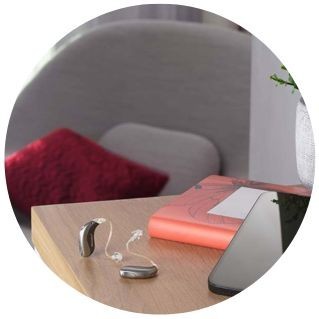
Best Bluetooth Hearing Aids UK of 2026
Our top 3 Bluetooth hearing aids recommended by our audiologists
What are the best Bluetooth hearing aids?
Finding the right Bluetooth hearing aids will depend entirely on your unique preferences, hearing loss needs, budget, and what you typically want from your hearing aids. In so many ways, there is no one-size-fits-all answer here.
To help you find the best Bluetooth hearing aids on the market, we have consulted our audiologists to provide recommendations based on their own experiences and expertise.
Our recommendations are based on brand reputation, verified customer reviews, and the clinical experience of our HCPC-registered audiologists. All three hearing aids below are fitted and fine-tuned in person by a qualified audiologist, either at one of our 93+ clinics or during a free home visit.
Winner
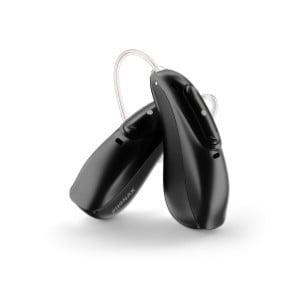
Phonak Audeo Infinio Ultra Sphere i90 Bluetooth Hearing Aids
Why buy?
The Phonak Audeo Infinio Ultra Sphere i90 hearing aids are an advanced solution for those seeking seamless connectivity and great sound quality. These devices leverage advanced Bluetooth technology to directly stream audio from smartphones, tablets, and TVs.
This means you can enjoy crystal-clear phone calls, immersive music, and clear TV dialogue, all without the need for additional accessories.
Phonak has also long been known for its robust connectivity, offering classic Bluetooth to pair with a variety of devices like smartphones, tablets, and computers. Their unique dual streaming capability allows you to connect to two devices simultaneously, a feature unmatched by other hearing aid brands.
The Infinio Ultra Sphere i90 takes connectivity to the next level. Hands-free calling is now supported, and the transmission power has been significantly improved, ensuring a more stable connection over longer distances.
This enhanced connectivity translates to superior audio quality and smoother transitions between different audio sources.
With LE Audio, Phonak's hearing aids are Auracast-ready. Auracast activation is pending a firmware update from your audiologist and is expected to be available at no extra cost when the broadcast standard is rolled out in compatible venues.
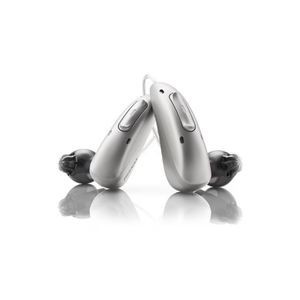
Fitting Styles: RIC
Warranty: 5 years
Charger: Comes with charger
Second Place
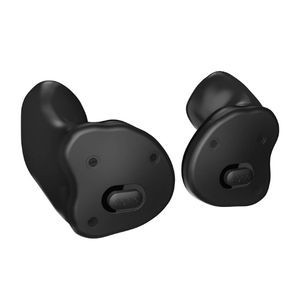
Signia Insio Charge&Go 7IX Discreet Bluetooth Hearing Aids
Why buy?
A small, discreet rechargeable custom In-Ear offering with the innovative IX platform technology. This premium In-Ear rechargeable hearing aid brings optimum hearing technology and discretion that is custom-made for extra comfort every day.
Custom-made means that the hearing aid itself is adapted to fit your unique ear shape or 'ear anatomy', so it is even more discreet.
The Insio offers state-of-the-art Bluetooth connectivity to both iPhone and Android devices to stream calls, music, and TV audio directly to your devices. You can also enjoy the benefits of connecting to the Signia app and Signia Assistant for further personalisation.
The Signia Insio 7IX incorporates the successful Integrated Xperience platform, giving you a reduction in hearing effort and clear speech in conversation, even on the go and in any hearing situation.
All in all, this device achieves a great balance of sound quality for wearers with mild to moderate hearing loss who want great Bluetooth features from an In-Ear aid.
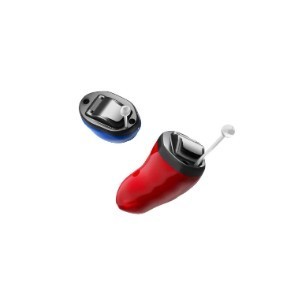
Fitting Styles: IIC, CIC
Warranty: 5 years
Charger: Rechargeable model comes with charger
Runner Up
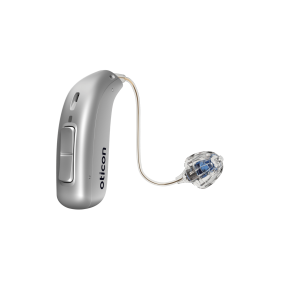
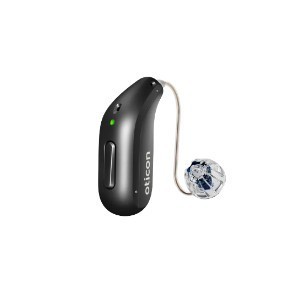
Oticon Intent 1 Bluetooth Hearing Aids
Why buy?
A popular Bluetooth hearing aid with AI-powered natural sound. This Oticon hearing aid is a discreet rechargeable style with technology for you to gain from all relevant sounds and supports how your brain works naturally.
Advancing on their already successful BrainHearing technology philosophy and combining the Deep Neural Network and the new Solaris platform.
This means you will benefit from more of the meaningful sounds around you, more balance and clarity of all the little details, and more captures of the special moments that sound brings to life.
When it comes to connectivity, Intent ticks all the boxes. Oticon has confirmed that the Intent supports the new Bluetooth protocol, LE Audio, and Auracast, which is available via firmware update and will effectively represent the new generation of reliable audio streaming.
In fact, Oticon Intent 1 mirrors a lot of the benefits found in Audeo Lumity at a similar price. One of the differences is how these two products deal with background noise.
Whilst Intent uses a more natural open sound portrayed in 360 degrees that mirrors the way our brain naturally hears (this is where the AI comes in), Lumity focuses more on speech to reduce the effect of background noise. Neither approach is better: it depends on your lifestyle and listening preferences.
Fitting Styles: RIC, BTE
Warranty: 5 years
Chargers: Comes with charger
Digital Bluetooth Hearing Aids
Which model is right for me, the future Bluetooth technology, and key takeaways
Which one is right for me?
Phonak Infinio Ultra Sphere i90 is worth considering if you want the most reliable multi-device connectivity and regularly find yourself moving between your phone, laptop, and TV. The dual streaming and improved transmission power are a genuine practical advantage for people with busy, connected lifestyles.
Signia Insio 7IX is worth considering if discretion is your priority and you have mild to moderate hearing loss. The custom in-ear fit makes it one of the most discreet Bluetooth options on the market, and the Bluetooth performance is strong across both iPhone and Android.
Oticon Intent 1 is worth considering if you want the most natural sound processing. Its 360-degree approach suits people who find heavy speech-focused processing sounds unnatural, and the Auracast readiness makes it a future-proof choice.
As always, your audiologist will make the final recommendation after your hearing test. These picks are a starting point, not a prescription.
"Bluetooth is one of the most asked-about features we hear about from people considering private hearing aids for the first time. The honest answer is that it makes a real difference to some people's daily lives and very little difference to others.
The key is working out which camp you're in before you pay for the technology. That is exactly what a hearing test and a proper conversation with your audiologist is for."
Paul Harrison, Audiology Expert & Founder, Hearing Aid UK
A note on Auracast Bluetooth for hearing aids
Auracast Bluetooth technology will be integrated into hearing aids, revolutionising auditory assistance. With its advanced connectivity, Auracast enables direct streaming of phone calls, music, and other audio content from smartphones and compatible devices.
This technology genuinely improves the listening experience, giving clearer sound and cutting down on background noise.
Auracast also uses very little power, so your battery lasts longer without needing a top-up. And because the interface is straightforward, pairing devices and personalising your settings is simple too.
Auracast Bluetooth technology will roll out within the next six or so years in hearing aids, representing a significant leap forward, offering enhanced accessibility and improved quality of life for those with hearing loss. Your audiologist can advise whether your chosen hearing aids are Auracast-ready and how to activate the feature when it becomes available in your area.
Summary
Bluetooth hearing aids do more than help you hear; they keep you connected to everything around you. Linking wirelessly to your phone, TV, and other everyday devices means you can stream audio, take calls, and adjust your settings on the quiet, without anyone else even noticing.
There are a few different types to know about: Made for iPhone, Made for Android, and Made for Any Phone. Some older models need a small extra device called a streamer to get the most out of the connection, but many of today's hearing aids connect directly and even support hands-free calling straight out of the box.
If you regularly use your phone, enjoy watching TV, or like to listen to music on the go, Bluetooth hearing aids can genuinely make those everyday moments easier and more enjoyable.
That said, Bluetooth isn't for everyone, and that's completely fine. If you're not particularly tech-driven and mostly just need clearer hearing day-to-day, you may not need to pay extra for features you won't use. It's always worth having a conversation with your audiologist to work out what's actually right for you.
What's included in our hearing aid prices?
- Full hearing test and examination by an HCPC-registered audiologist
- Fitting and programming of your hearing aids
- Aftercare for life — all fine-tuning and follow-up appointments included at no extra cost
- Free home visits available — we come to you if you prefer
- Access to 93+ clinics nationwide
- 60-day money-back guarantee — no quibble
- Full manufacturer's warranty
- Independent and impartial advice — no manufacturer bias
- Which? recommended, trusted by over 30,000 happy customers
- A friend or family member is welcome to attend your appointment
Key takeaways
✔️ What Bluetooth hearing aids actually are: Digital hearing aids that connect wirelessly to your smartphone, TV, laptop, and other devices so you can stream audio directly without headphones.
✔️ Bluetooth tends to be worth it for anyone who's regularly on calls, streaming shows, or dialling into video meetings. It means hands-free convenience throughout, with volume control you can quietly manage from your phone rather than the hearing aid itself.
✔️ Not essential if: You mainly need clearer hearing for face-to-face conversation and rarely use streaming devices. A well-fitted non-Bluetooth model may serve you better at a lower cost.
✔️ Three types to know about: Made for iPhone (MFI), Made for Android, and Made for Any Phone (MFA). Some older models need a separate streamer; most modern aids connect directly.
✔️ All prices include your hearing test, fitting, and aftercare for life.
✔️ The fitting matters as much as the technology. Any hearing aid, Bluetooth or otherwise, should be fitted and fine-tuned by an HCPC-registered audiologist. Book a free appointment to find out which model is right for you.
Other useful information on Bluetooth hearing aids
Need more support with the best Bluetooth hearing aids?
You might be new to hearing aids, or you might be thinking about upgrading and wondering which device would be right for you, or you simply might want more information on Bluetooth hearing aids available.
If you are considering this type of hearing aid, it's a good idea to speak with an audiologist to determine the best option for your specific needs.
Call us free on 0800 567 7621 and one of our experts will be happy to advise you. Or click on the buttons below to discover more about the different types of Bluetooth hearing aids.

Our specialist service includes:
Do not spend hundreds of pounds without getting a second opinion from us.
Please call us on 0800 567 7621
 Not only are the prices great, but the service is fantastic! Many thanks to your team.

Watch Oticon's video below about their Bluetooth hearing aids and connectivity
What's included in our hearing aid prices?
Common questions about Bluetooth hearing aids
Hearing aid apps generally connect directly to various smart devices using Bluetooth, so wearers can control their hearing aid features and settings like programs and volume. Program management is a great tool, as you can use a range of feature sets in different environments to help you hear better. For instance, hearing speech clearly whilst walking in the park with a friend.
Can I connect my Bluetooth hearing aids to my TV?
By using a TV Adapter you can sit back and enjoy your favourite programmes with audio straight to your Bluetooth hearing aids. You can control the volume of your TV, balance environmental sounds, and easily switch between multiple Bluetooth-enabled devices.
Where can I purchase Bluetooth hearing aids? Can I buy them online?
Bluetooth hearing aids from the leading manufacturers are available through qualified audiologists rather than through online retail.
A hearing test comes first, so your audiologist can confirm the type and degree of hearing loss and recommend the right model for your needs.
You can book a free hearing test and consultation either at one of our 93+ clinics across the UK or during a free home visit. Call us on 0800 567 7621 or book a free appointment online.
Are Bluetooth hearing aids safe?
Are Bluetooth hearing aids bad for you? Bluetooth hearing aids are considered safe for use by regulatory agencies. Bluetooth technology uses low levels of radio frequency (RF) radiation to transmit data wirelessly between devices.
Bluetooth hearing aids and flying - is it safe?
Yes, flying with Bluetooth hearing aids is safe. Bluetooth technology uses radio waves to transmit data, which is not affected by changes in altitude. Therefore, it is safe to use Bluetooth hearing aids on an airplane.
Bluetooth hearing aids and pacemakers - are they safe?
Generally, it is safe to use a pacemaker and Bluetooth hearing aids together, but it is important to take certain precautions to ensure their safe use.
Overall, as long as you take these precautions and follow the advice of your healthcare provider, it should be safe to use both a pacemaker and Bluetooth hearing aids.
How do Bluetooth hearing aids connect to TV?
What about Bluetooth hearing aids and TV? With hearing aid TV Adapters you can sit back and enjoy your favourite programmes. Most hearing aid brands also have hearing aid apps that can give you extra convenience when used together with a TV Adapter. Such as:
- Control the volume of your TV.
- Balance environmental sound.
- Easily switch between multiple
- Bluetooth-enabled devices.
NHS Bluetooth hearing aids: Can you get Bluetooth hearing aids on the NHS?
Are Bluetooth hearing aids available on the NHS? The NHS is now able to offer Bluetooth hearing aids. However, the decision does lie with your local GP or NHS Trust to ultimately decide whether you need them or not, along with why you feel like you could benefit from them.
However, like with all NHS hearing aids, the choice and technology will be limited. For NHS information on hearing loss, causes, and when to seek help, visit NHS.uk.
Other Bluetooth hearing aid pages you might like...
Ask the Experts

Get free independent impartial advice from the experts you can trust. We offer nationwide coverage and huge savings on all our hearing aids.
6 Morton Lane
Walkwood
Redditch
Worcestershire
B97 5QA
Latest Launch
When we refer to a product as 'Latest Launch', we mean it is the latest to be released on the market.
New
When we refer to a product as 'New', we mean that the product is the newest hearing aid model on the market.
When we refer to a product as 'Superseded', we mean that there is a newer range available which replaces and improves on this product.
Older Model
When we refer to a product as an 'Older Model', we mean that it is has been superseded by at least two more recent hearing aid ranges.