




Head of Online Medical Content

Audiology Expert & Founder of Hearing Aid UK

Latest Hearing Aid UK Update: 17/11/2026
Digital Hearing Aids
A brief look inside today's modern digital hearing aids
A digital hearing aid is a tiny computer that you wear in or behind your ear. It picks up the sounds around you, processes them, and adjusts them to suit your hearing before sending them into your ear. Almost every hearing aid available today is digital, from simple entry-level models to premium hearing aids with Bluetooth streaming and smartphone apps.
Hearing Aid UK supplies digital hearing aids from all the leading manufacturers. Each one is fitted and fine-tuned in person by one of our HCPC-registered audiologists, either in a local hearing clinic or during a free home visit.
Our world is always connecting and communicating digitally. When we are in our homes, we are tuned in to digital TV, media, and sound systems.
We even drive with GPS systems, so why shouldn't our hearing aids offer digital solutions?
Today's digital hearing aids are discreet and unobtrusive, even though they include some very advanced technology.
This technology assists in empowering those with hearing loss to live a better quality of life with better hearing.
This page is designed to give you some background knowledge of the current digital hearing aids on the market and to answer the most common questions on this topic.
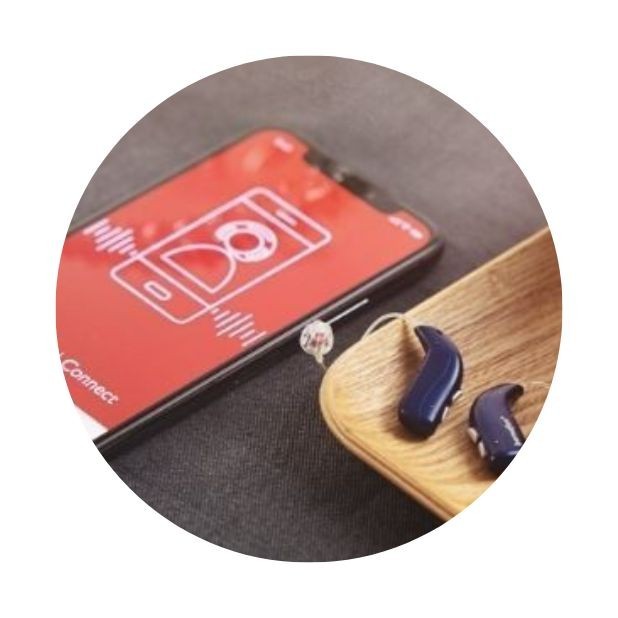
What is a Digital Hearing Aid?
A digital hearing aid is an electronic device that you either wear inside your ear or behind your ear. These types of digital hearing aids are generically called:
Behind-the-Ear (BTE) or In-the-Ear (ITE) hearing aids. A hearing aid amplifies sounds so that those with hearing loss can better hear, communicate, connect, and get the most out of their lifestyle.
However, those with hearing loss don't see hearing aids as just an amplifier; they see them as more of a lifeline.
A clever and sophisticated communication device that can empower people with hearing loss, so they can live life to the fullest.

2026 Update
Digital hearing aids are essentially sophisticated computers for your ears, processing huge numbers of sound calculations every second to deliver sound tailored to your specific hearing loss.
Many of today’s digital hearing aids use artificial intelligence (AI) to adapt to your surroundings as they change. Many also connect to smartphones, and some learn your preferences over time. Exactly which features you get depends on the model and its technology level.
Today's digital hearing aids are smaller, more powerful, and more intelligent than ever before.
Entry-level hearing aids now often include features that used to be found only on higher technology levels.
The gap between technology levels has narrowed, with the main differences now focusing on AI capabilities, advanced noise management, and premium connectivity features rather than basic sound quality.
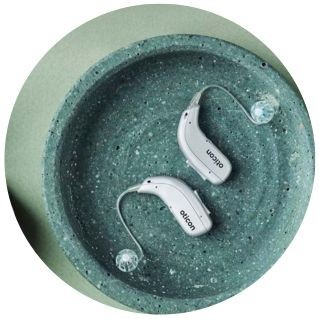
History of Digital Hearing Aids
Digital hearing aids vs analogue hearing aids
Are digital hearing aids better than analogue?
Wondering what the difference is between analogue hearing aids and digital hearing aids? Well, before the industry introduced digital hearing aids, there were only analogue devices available.
In terms of sound signals, analogue hearing aids made all sounds louder in much the same way. They couldn’t separate speech from other sounds as digital hearing aids can.
Another difference between digital and analogue hearing aids is that analogue hearing aids have to be adapted; the volume has to be turned up, making your hearing experience more uncomfortable. Background noise reduction was not possible either, without turning up the volume.
Analogue hearing aids are now considered obsolete technology. Digital hearing aids have been the standard for many years. This comparison is provided for historical context and for those who may still be wearing very old analogue devices.
Digital vs Analogue Hearing Aids Comparison
| Features | Digital Hearing Aids | Analogue Hearing Aids |
| Sound Processing | Advanced digital processing with multiple channels | Simple amplification |
| Background Noise | Automatic noise reduction | Manual volume adjustment only |
| Customisation | Highly programmable for specific hearing loss | Limited adjustment options |
| Connectivity | Bluetooth, smartphone apps, streaming | No wireless connectivity |
| Feedback Control | Advanced feedback cancellation | Basic feedback management |
| Battery Life | Optimised power management | Less efficient power use |
So, are digital hearing aids better than analogue?
Well, in short, yes. Digital hearing aids process sound continuously and adjust it to suit your hearing and your surroundings, which helps speech and other sounds come across more naturally. This means you can personalise how you hear the sounds around you, due to all the digital features available.
When you embark on choosing the right hearing aid for you, there are many variables to consider. Here are a few examples (and in no particular order):
The audiological requirements of digital hearing aids
Different types of hearing loss require different hearing aid fitting strategies. The hearing aids must have sufficient reserve amplification so they will last for several years, not just one or two. In other words, they need spare power to cope if your hearing changes over time. We would say four to seven years is about right.
Digital hearing aid technology and performance
This, above all else, determines the cost of the hearing aid. The higher the technology, the higher the price. This has nothing to do with the severity of the hearing loss; it’s about the range of listening situations you need help with, such as busy restaurants, group conversations or streaming from your phone.
| Technology Level | Key Features & Best For |
| Entry Level |
|
| Mid-Level |
|
| Premium Level |
|
| Ultra-Premium |
|
Manufacturers use different names and numbers of technology levels, so this table is a general guide. Your audiologist will explain how the levels compare for the specific hearing aids you’re considering.
Accessories available for digital hearing aids
Some hearing aids have accessories that can be purchased. These include wireless transmitters that enable the sound from a television, telephone, or another device to “beam” sound into the hearing aid.
The need for certain assistance by way of accessories can heavily influence the choice of the make and model of hearing aid required. Popular digital hearing aid accessories include:
- TV Streamers: Stream audio directly from your television
- Remote Microphones: Improve speech clarity in noisy environments
- Phone Clips: Enhanced phone call streaming
- Charging Cases: Portable power for rechargeable models
The size of digital hearing aids
As a general rule of thumb, the larger the hearing aid, the more powerful it is. Smaller hearing aids have smaller batteries, which could be difficult to handle for people with poor dexterity. Smaller batteries don’t last as long.
There are many different styles of hearing aids. The two main categories are ITE (in the ear) and BTE (behind the ear). BTEs are becoming increasingly popular as they can be extremely small and cosmetic. Here is a list of all the different types of digital hearing aids available on the market:

Fully Digital Hearing Aids
What are the benefits of digital hearing aids?
Are digital hearing aids any good? How can digital hearing aids help?
Over the last few years, there have been some outstanding hearing aid technology developments. Innovations such as advanced sound processing and frequency responses, faster Bluetooth connectivity and compatibility.
Hearing aids are used to improve hearing and speech understanding for those with hearing loss. A hearing aid amplifies sound vibrations that go into your ear.
Those with hearing loss generally have surviving hair cells in the inner ear. A hearing aid makes sounds loud and clear enough for these hair cells to pick up and turn into signals for the brain. With that in mind, here are some of the advantages of digital hearing aids currently available in the industry:
Connectivity and control
There has been a rise in hearing aid apps, along with rechargeable options and artificial intelligence that adapts as you go.
Digital hearing aids can be paired with smartphones, tablets, and other digital wireless devices. Connecting you to the world via streaming and entertainment.
You can also discreetly control the sound you hear and your digital hearing aid volume and features at the touch of a button, via your smartphone apps.
More comfortable and natural
Turning up the volume in older analogue hearing aids made hearing experiences screechy in various environments.
Digital hearing aids allow you to customise your hearing accessibility for more comfortable listening.
Small and smart
The style of digital hearing aids has evolved over the years and now comes in smaller casings and offers discretion for the wearer - sometimes almost invisible!
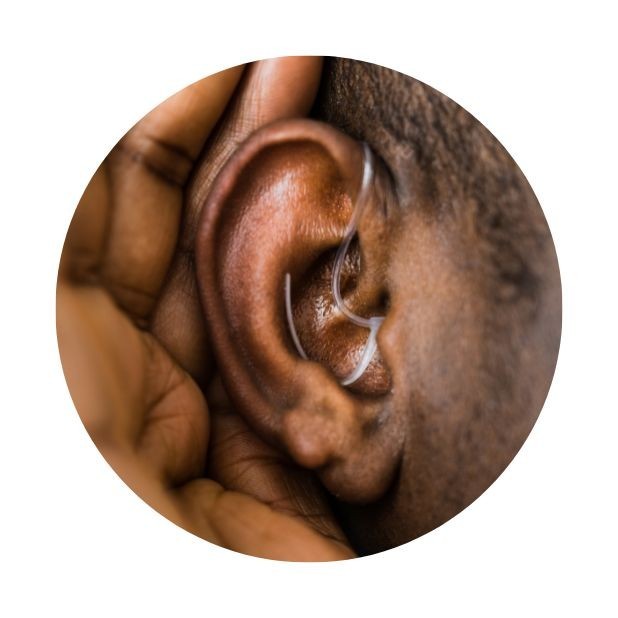
Different Types of Digital Hearing Aids
There is now a huge selection of digital hearing aids available on the market today that complement not just different levels of hearing loss, but also meet connectivity needs and enhance lifestyles.
Digital hearing aids pair with smartphones and interact with other Bluetooth devices within our homes. Find out more about other types of digital hearing aids:
►Click here to read about rechargeable digital hearing aids

Digital Hearing Aid Quality and Clarity
The higher the technology level of the hearing aid, the better the sound is likely to be in challenging situations, and the more natural your listening experience can be.
Device features like noise management, feedback manager, automatic volume regulator, and bandwidth make a realistic soundscape possible.
Modern advanced hearing aids offer an impressive range of features, settings, and personalised options, so the wearer can experience the best possible sound for their needs and connect wirelessly to devices.
All digital hearing aids analyse, filter, and boost all relevant sounds. The sound you hear is all based on the way your hearing aids have been programmed.
Your audiologist will program your hearing aids to suit your hearing needs, based on your type of hearing loss.

Modern Digital Hearing Aid Features
Today's digital hearing aids incorporate advanced technology that has come a long way in recent years. Not every feature below is available on every hearing aid, so ask your audiologist which ones the models you’re considering include:
Artificial intelligence, machine learning, and connectivity
- Real-time environmental adaptation
- Learns your personal preferences over time (some models)
- Automatic programme switching based on location (some models)
- Bluetooth connection to iPhone, Android or both, depending on the model
- Direct streaming from smartphones, TVs, and tablets
- Integration with smart home devices (some models)
Health monitoring and rechargeability
- Some models, such as certain Starkey hearing aids, include fall detection
- Step counting and activity tracking (some models)
- Alerts that can notify a chosen contact if a fall is detected (some models)
- A full day’s use from one charge on most rechargeable models, although heavy streaming uses more power
- Built-in lithium-ion batteries that gradually hold less charge over several years of use
- Portable charging cases for on-the-go power

How Digital Hearing Aids Work
The functions of the main digital hearing aid parts
Digital hearing aid parts
In all good and modern digital hearing aids, there are basic components - microphones, amplifiers, loudspeakers, batteries, and processing chips.
The processing chip assists the advanced technology, and the batteries provide the power to do so. The three main pieces of technology that ensure the functionality of the hearing aid are the microphone, amplifier, and speaker.
How do hearing aid amplifiers work? The microphone receives the sounds, switches the sound waves into electrical signals, and transmits them to the amplifier, which then increases the power and level of the signals and finally sends them to the ear through the speaker.
A simple breakdown of how a hearing aid works
- Small microphones pick up the sound around you. The microphone converts these acoustic signals into electrical signals.
- These sounds are analysed by a processing chip, and these processed sounds are then sent to the amplifier. Many modern hearing aids incorporate digital signal processing technology that analyses and processes electrical signals, making adjustments based on the individual's specific hearing needs.
- The amplifier then makes the signals stronger while keeping them clear, and passes them on to the loudspeaker, also called the receiver.
- The receiver turns the electrical signals back into sound. Depending on the style, the receiver sits inside the hearing aid and sends sound down a tube to an ear mould, or it sits in your ear canal at the end of a thin wire.
- The sound travels through your ear canal to your inner ear, where the hair cells turn it into nerve signals.
- Impulses are finally sent to the brain, where they are processed.
Your digital hearing aid works like a tiny computer, carrying out huge numbers of calculations every second. It keeps checking the sounds around you, helps pick out speech from background noise, and adjusts what you hear as you go.
Conclusion
Digital hearing aids amplify sound, but they also process it intelligently, connect to other devices and can be personalised to your needs. A qualified audiologist sets them up to match your hearing and lifestyle, and regular check-ups keep them working at their best. With Hearing Aid UK, this ongoing support is included as aftercare for life, at no extra cost.
Hearing Aid UK is Which? recommended, with more than 200 HCPC-registered audiologists across 93+ clinics. We give impartial advice on digital hearing aids from all the leading manufacturers, and every hearing aid comes with a 60-day money-back guarantee.
Ready to take the next step? Book your free digital hearing aid consultation today. Call us free on 0800 567 7621 for support and advice, as well as to put you in touch with your local audiologist for your future hearing healthcare needs.
Benefits of Digital Hearing Aids
- Selectively amplifies sounds for a more advanced listening experience
- Reduces feedback (whistling), and many models also reduce wind noise and background noise
- Automatically adjusts the volume to the environment you are in - even on the go
- Uses directional microphones to better understand where sound is coming from and to give you a full soundscape
- Improves sound quality - often in real-time


Our specialist service includes:
Do not spend hundreds of pounds without getting a second opinion from us.
Please call us on 0800 567 7621
 Not only are the prices great, but the service is fantastic! Many thanks to your team.

What's included in our hearing aid prices?
Common questions about digital hearing aids
What about the cost of digital hearing aids? The biggest stumbling block to seeking help with hearing loss is the cost of digital hearing aids. They are an investment, especially when most people need two hearing aids but the improvement in the quality of life they give is priceless. Digital hearing aid prices do vary depending on manufacturer, style, technology, connectivity, level of hearing loss and much more.
What digital hearing aids with Bluetooth are available?
What are the different types of Bluetooth hearing aids? To find out more about Bluetooth hearing aids, how they work, Bluetooth hearing aids for iPhone, Bluetooth hearing aids for Android and Bluetooth hearing aids for Any Phone -
What manufacturers make digital hearing aids?
What about digital hearing aid manufacturers? Below are links to the digital hearing aid manufacturers we have available and the main brands within the industry:
Can digital hearing aids be recycled?
Digital hearing aids never usually get collected from your own home or even recycling points, but you can sometimes send them back to the hearing aid manufacturer, donate them or send them to charity.
Other places include: Your local GP, NHS audiology department and private audiologist.
Do digital hearing aids use batteries?
So, do digital hearing aids need batteries? In short, yes they do - as do all technical devices. Hearing aids use different sizes of batteries depending on the technology features and size of the device.
Modern-day hearing aids have lithium-ion batteries and rechargeable options available, so no need to replace your batteries - simply charge and go!
What is the life expectancy of digital hearing aids?
You can expect most digital hearing aids to last five to seven years, and looking after them well can help them last longer. Keep them clean and dry, and go to your regular check-ups, which are included in your aftercare for life. Every four to seven years, it’s worth reviewing them with your audiologist. Your hearing may have changed, or newer hearing aids may handle the situations you find hardest better.
When did digital hearing aids come out?
Digital hearing aids first arrived in the mid-1990s. Oticon and Widex both launched fully digital models in 1996, a big step on from the older analogue hearing aids, which simply made sounds louder. The technology has come a long way since then. Many of today’s hearing aids use artificial intelligence and advanced sound processing to adjust to your surroundings automatically.
Other pages you might find useful
Ask the Experts

Get free independent impartial advice from the experts you can trust. We offer nationwide coverage and huge savings on all our hearing aids.
6 Morton Lane
Walkwood
Redditch
Worcestershire
B97 5QA
Latest Launch
When we refer to a product as 'Latest Launch', we mean it is the latest to be released on the market.
New
When we refer to a product as 'New', we mean that the product is the newest hearing aid model on the market.
When we refer to a product as 'Superseded', we mean that there is a newer range available which replaces and improves on this product.
Older Model
When we refer to a product as an 'Older Model', we mean that it is has been superseded by at least two more recent hearing aid ranges.