




Head of Online Medical Content

Audiology Expert & Founder of Hearing Aid UK

Latest Hearing Aid UK Update: 17/11/2026
Bluetooth Hearing Aids for Any Phone
What are Made for Any Phone hearing aids?
If you are looking for hearing aids for smartphones and mobiles, some models out there are compatible with both iPhone and Android. These are called Made for Any Phone hearing aids.
They use Bluetooth Classic, the same type of Bluetooth used by most wireless headphones, so they can connect to almost any Bluetooth phone, whatever the make.
Phonak, the brand that introduced them, now calls this approach “Made-For-All” connectivity.
In the UK, Made-for-Any-Phone hearing aids are available from Phonak and Unitron, both part of the Sonova Group, and from Signia in its Pure Charge&Go BCT IX, at the time of writing.
Hearing Aid UK supplies and fits Made for Any Phone hearing aids. Every pair is fitted in person by an HCPC-registered audiologist, either at one of our 93+ clinics or during a free home visit, and your audiologist will pair them with your phone before you leave.
Bluetooth Classic uses more power than some other types of connection, but modern rechargeable models are designed to last a full day, including time spent streaming.
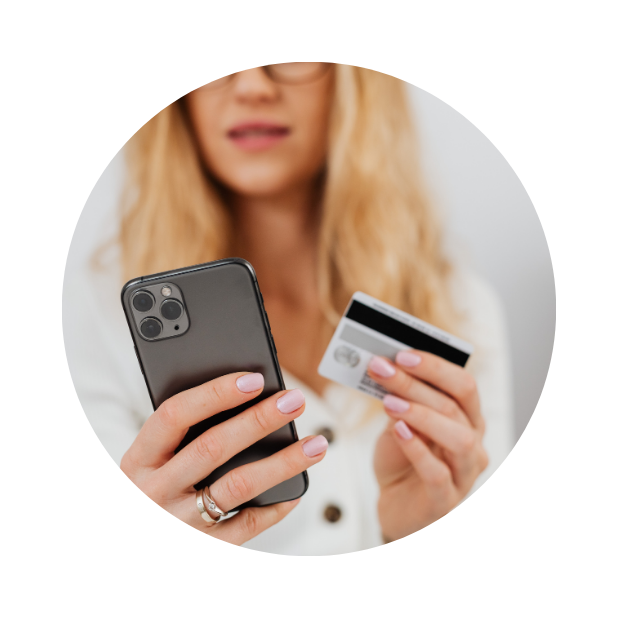
MFA Hearing Aids
Bluetooth hearing aids for any phone offer you the flexibility of having connectivity to any smartphone or mobile phone, whether it's an iPhone or Android, with Bluetooth capabilities for audio and call streaming (and pretty much any electronic device with Bluetooth, such as tablets and laptops).
Limited accessibility
Before Bluetooth hearing aids for any phone innovation, Bluetooth wasn't accessible to everyone.
Now, no matter what brand of mobile you have, you can gain from this connection and high-quality phone calls seamlessly without the need for a streamer.
These Bluetooth hearing aids for any phone support the original Bluetooth protocol by offering connectivity to smartphones, including Android, iPhone, and older mobile phones, as long as they have Bluetooth.
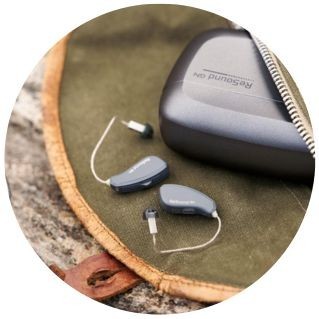
Made for All Hearing Aids
So, what do Made for Any Phone hearing aids do?
What are the benefits?
These Bluetooth hearing aids for any phone offer true hands-free calls, so you can answer and reject them at the push of a button on your hearing aids. The phone ringtone is heard through your hearing devices, and then once you accept the call, you can hear your conversation streamed directly into both ears.
For example, the Phonak hearing aids pick up your voice, so that you can hold a phone conversation through your hearing aids, without ever taking your phone out of your pocket.
Your Bluetooth hearing aids for any phone also work like wireless headphones. Paired with a small TV adapter from the manufacturer, they can stream TV sound straight to your hearing aids, so you can set the volume that suits you without changing it for everyone else. Explore the different types of wireless accessories available.
Many Made for Any Phone hearing aids can also remember several devices at once. Phonak, for example, states that their recent hearing aids can pair with up to eight Bluetooth devices and stay actively connected to two at the same time, so you can move between your phone and laptop without re-pairing.
The newest Phonak ranges also add Auracast, a broadcast technology that lets venues and devices share audio with compatible hearing aids.
What about iPhone?
Made for Any Phone hearing aids work with iPhone for calls, music and other audio. However, they are not Made for iPhone, so Apple’s built-in hearing features, such as Live Listen and the Hearing Devices settings, are not available.
If those features matter to you, read our guide to Made for iPhone hearing aids or ask your audiologist to compare the options.
Mobile phone hearing aid compatibility for Bluetooth hearing aids for any phone
There are many mobile phones and smartphones that are compatible with hearing aids. However, not every hearing aid works with every phone. It is important that you check with your audiologist for a list of what phones work with your existing or new hearing aids.
Using a hearing aid-compatible mobile phone makes communication with friends, family, colleagues, and the world so much easier. But it can be a challenge to find the right phone that will enhance keeping in touch and support optimum hearing at the same time.
Bluetooth technology has advanced over the years and can now give you access to and route sound through your mobile phone seamlessly. For instance, hands-free calls and remote device adjustments through the manufacturer’s app.
Your audiologist will go through all the Bluetooth hearing aids available on the market and the recent mobile phone compatibility for the devices you are wearing or considering.
They will also advise you on hearing aids that are capable of collaborating with Bluetooth technology. If connectivity is important to you and your current hearing aids don't have this option, you might want to consider an upgrade.
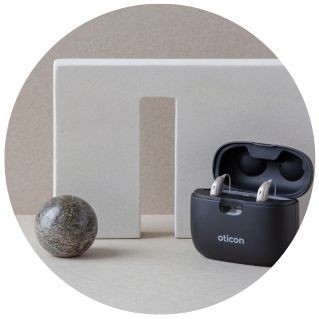
Made for Any Phone Hearing Aids
Bluetooth Hearing Aids for Any Phone
Sonova launched the first MFA hearing aids
Ever since Sonova launched their Bluetooth Made for Any Phone hearing aids (MFA), they have been in high demand because of the freedom they give to Android users. Android is a popular choice for smartphones. In fact, around half of UK smartphone users have an Android phone.
At the time, Sonova brought direct streaming to Android users, who had few options for connecting to their hearing aids, while also working with iPhone. Even if you have an older mobile phone, you can still gain from this connectivity, as long as it has Bluetooth.
It also brings a wider choice of phones to hearing aid wearers, who might otherwise have felt they needed an iPhone. Today, many Android phones can also stream directly to other hearing aids using ASHA or LE Audio.
Is it all down to the consumer's preference?
At the end of the day, it all comes down to what you are looking for in terms of connectivity, flexibility needed, and what your hearing loss is.
Connectivity matters, but it should never come before your hearing. The right hearing aid is the one that suits your hearing loss, the places you spend your time and the phone you use, and that’s exactly what your audiologist will help you work out at your free hearing test.
“People are often surprised by how simple it is. With a Made for Any Phone hearing aid, you pair it just like a pair of wireless headphones, and it works whether you’ve got an iPhone, an Android or something older.
That’s a real relief for people who don’t want to change their phone. The one thing we'd always say is to bring your phone to your appointment, so we can set everything up and make sure it suits the way you use it.”
Paul Harrison, Audiology Expert & Founder, Hearing Aid UK
Key takeaways
✔️ Works with almost any phone: Made for Any Phone hearing aids use Bluetooth Classic, so they connect to iPhone, Android and older Bluetooth phones.
✔️ Who makes them: Phonak and Unitron, plus Signia’s Pure Charge&Go BCT IX.
✔️ True hands-free calls: Answer calls with a press on your hearing aid and talk without taking your phone out of your pocket.
✔️ The iPhone trade-off: Apple features such as Live Listen are only available with Made for iPhone hearing aids.
✔️ Everything included: All prices include your hearing test, fitting and aftercare for life. We’re Which? recommended and trusted by over 31,000 customers.
What’s included in our hearing aid prices?
- Full hearing test and examination by an HCPC-registered audiologist
- Fitting and programming of your hearing aids
- Aftercare for life: all fine-tuning and follow-up appointments included at no extra cost
- Free home visits available: we come to you if you prefer
- Access to 93+ clinics nationwide
- 60-day money-back guarantee, no quibble
- Full manufacturer’s warranty
- Independent and impartial advice, no manufacturer bias
- Which? recommended, trusted by over 30,000 happy customers
- A friend or family member is welcome to attend your appointment
Related Bluetooth hearing aid reading:
Need more support with Made for Any Phone hearing aids?
If you’d like to know whether Made for Any Phone hearing aids are right for you, our experts are happy to help
Call us free on 0800 567 7621, or book a free home visit or a free clinic appointment.
There is no obligation, and the hearing test is always free.

Our specialist service includes:
Do not spend hundreds of pounds without getting a second opinion from us.
Please call us on 0800 567 7621
 Not only are the prices great, but the service is fantastic! Many thanks to your team.

What's included in our hearing aid prices?

Common questions about Made for Any hearing aids
A Made for Any hearing aid is a technology that can be paired with both Android and iOS Bluetooth devices.
What can Made for Any hearing aids connect to?
They can wirelessly stream audio from both iOS and Android devices for calls, music, apps and more. They can also be used to personalise your listening experience by using them as a remote control via a hearing aid app.
How can Made for Any hearing aids support my hearing?
When paired, they transmit an audio feed to your hearing aids directly. This then gives you clear conversation and ultimately makes it easier to use the phone and listen to audio.
Other Bluetooth hearing aid pages you might like...
Ask the Experts

Get free independent impartial advice from the experts you can trust. We offer nationwide coverage and huge savings on all our hearing aids.
6 Morton Lane
Walkwood
Redditch
Worcestershire
B97 5QA
Latest Launch
When we refer to a product as 'Latest Launch', we mean it is the latest to be released on the market.
New
When we refer to a product as 'New', we mean that the product is the newest hearing aid model on the market.
When we refer to a product as 'Superseded', we mean that there is a newer range available which replaces and improves on this product.
Older Model
When we refer to a product as an 'Older Model', we mean that it is has been superseded by at least two more recent hearing aid ranges.