




Head of Online Medical Content

Audiology Expert & Founder of Hearing Aid UK

Hearing Aid Prices and Costs in the UK for 2026
See what you should be paying for your hearing aids today
Latest Hearing Aid UK Update: 21/07/2026
In the UK, hearing aid prices range depending on the technology level and features
We know that one of the biggest questions on your mind right now is simply "how much?", and frankly, it can be rather frustrating when so many hearing aid providers keep their prices hidden away. That's precisely why we do things differently.
Hearing aid prices vary quite a bit, and it helps to understand why. More affordable models handle the essentials well, while higher-technology options bring extras like AI-powered sound processing, Bluetooth streaming, and rechargeable batteries, features that can make a real difference depending on how you live your life.
NHS hearing aids are available free of charge and are a good starting point for many people. Private hearing aids offer a wider range of styles, technology levels, and fitting options, including the kind of personalised, unhurried care that is harder to access through the NHS.
Whatever you are looking at, it is worth remembering that a hearing aid is not just a purchase. For most people, it is an investment in how clearly they can follow a conversation, how confidently they show up in social situations, and how connected they feel to the people around them.
This page provides an overview of hearing aid costs in the UK, in the hope that it will help you to make a more informed decision about your hearing aid investments, what's expected from the industry, and what's included in our hearing aid prices.
Unlike many of our competitors who hide their prices until you've visited them, we believe in complete transparency from the start - because you deserve to make informed decisions without pressure or surprises.
Understanding hearing aid prices in the UK
If you are trying to work out what hearing aids actually cost in the UK, you are in the right place. Prices range considerably depending on the technology level you need, the brand you choose, and what is included alongside the aids themselves. Knowing what drives those differences helps you compare options with confidence, rather than just going on price alone.
Here's something important to know: hearing aid prices can feel rather bewildering at first, and that's completely normal. The industry hasn't exactly made it easy to understand what you're paying for, which is partly why so many people put off getting help.
Basic hearing aid models are more budget-friendly, while advanced, feature-rich options come at a premium. In the UK, prices typically include services like hearing tests, fitting, and follow-up care, adding to the overall expense. Hearing aid accessory choices and ongoing maintenance can also affect the final hearing aid cost.
However, our prices include all testing, fitting, programming and any ongoing aftercare you will need for the life of the hearing aids. This means no unexpected bills arriving months down the line; what you see is genuinely what you pay.
We'll be here supporting you not just at purchase, but for as long as you need us, whether that's at home or in one of our clinics. Plus, unlike many of our competitors, we publish our prices for all to see, so we are always transparent and there are no hidden nasties!
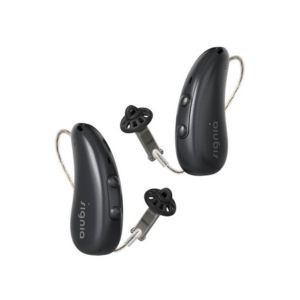
How much do hearing aids cost in the UK?
Hearing aid costs vary widely according to the type of hearing aid and the degree of hearing loss. Generally, hearing aid prices can range from a few hundred pounds to several thousand pounds per hearing aid.
If you live in the UK, or anywhere else in the world, and are experiencing hearing loss, there are likely to be two main things on your mind: what can help, and how much is it going to cost me? These are perfectly reasonable questions, and ones that deserve honest, straightforward answers.
The anxiety about cost is something we hear about every single day, and we completely understand it. You're already dealing with the frustration of not hearing as well as you'd like; the last thing you need is confusion about what you'll actually end up paying.

Hearing loss in the UK
Hearing loss affects approximately 1 in 6 people in the UK, according to RNID, but a surprising number of people put off addressing their hearing loss because of concerns about finding the right hearing aid for them.
Cost concerns are often at the top of that list, alongside worries about whether hearing aids will actually work for them. Untreated hearing loss has been linked with social withdrawal, low mood and reduced quality of life, according to Age UK.
Some research also suggests a link between hearing loss and cognitive health, though hearing aids are not a treatment for dementia.
Speak to your GP if you have any concerns about your memory or cognitive health.
The research is still developing in this area, but addressing hearing loss sooner rather than later can genuinely make a difference to day-to-day life.
The earlier you get your hearing checked, the sooner you can decide whether hearing aids could help. Remember, hearing aids can only work if you have some hearing left to amplify.
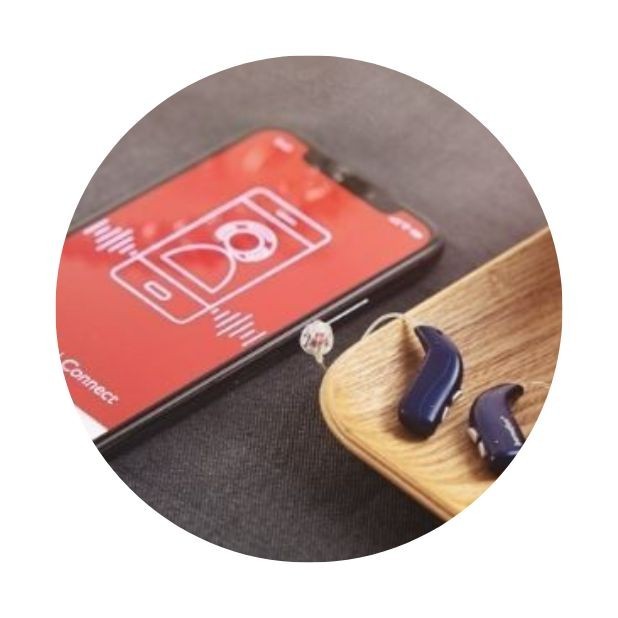
What can you expect typical hearing aid prices to be?
Unfortunately, the answer to the question of hearing aid prices is along the lines of how long is a piece of string and is dictated by which hearing aid provider you choose.
That's why it's important to compare hearing aid prices and do your research. The good news? We're about to make that research rather easier for you.
There are a myriad of different hearing aid types for sale out there, and a range of different hearing aid prices to go along with them.
Our hearing aid prices start from £695 per aid, and we believe they're among the most competitive you'll find in the UK.
And because we're truly independent, not owned by or affiliated with any manufacturer, we're free to recommend what's genuinely right for you, not what earns us the highest commission.
That's why we offer completely free home visits across the UK, so there are no barriers, no excuses, and no pressure.
Just expert advice in the comfort of your own home, with our 60-day money-back guarantee to give you complete peace of mind.
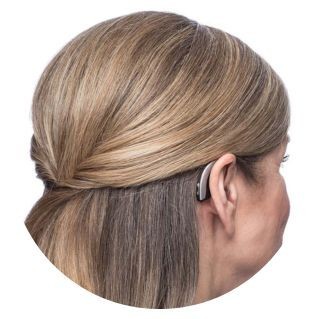
Digital Hearing Aid Prices in the UK for 2026
Steps to take before purchasing a hearing aid
Read consumer guides and educational material, and think about your priorities
Find out as much about hearing loss and hearing aids as you can, as this will help to reduce the overwhelming nature of finding the right hearing aid and audiologist. Trust us, a bit of reading now will save you considerable confusion later.
We provide a free consumer guide that is unbiased, as we are not affiliated with any manufacturers, to help you on the right path in finding the right hearing aid. These could be the shape, style, rechargeability, connectivity, dexterity, hearing loss level, lifestyle and technology features.
Think about your daily life: do you spend time in noisy restaurants? Do you struggle with the television? Do you find phone calls difficult? These real-world situations matter far more than impressive-sounding technical specifications.
Do your research
There are a few different hearing aid manufacturers in the industry, and researching will give you a better understanding of these brands. Educating yourself in this area will help clarify what each brand has to offer you and the level of hearing loss you have.
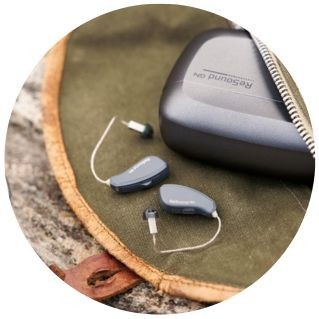
The hearing aid world can feel rather like alphabet soup at first: Phonak, Oticon, Widex, Signia, Resound, but don't worry, that's where your audiologist comes in.
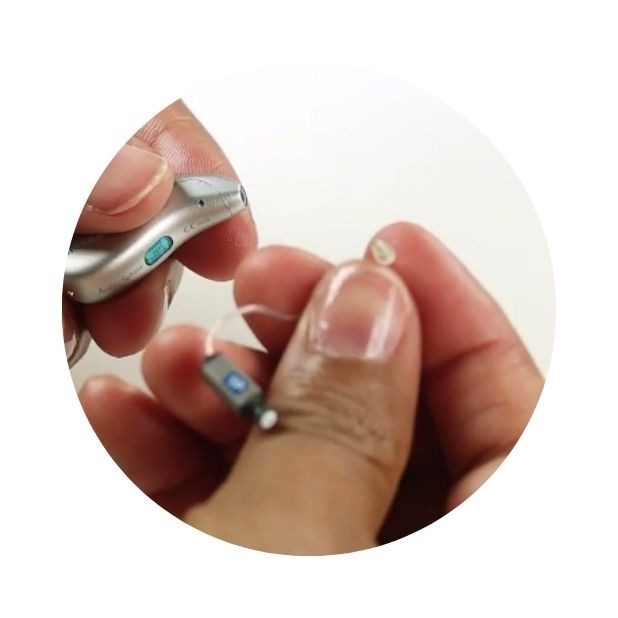
Find the right audiologist you can trust
A local and independent audiologist can provide professional hearing healthcare that is accessible and isn't limited to what devices they can offer you.
You will get the choice of all the hearing aids available on the current market.
This is genuinely crucial - some of the big chains will only offer you certain brands because of commercial arrangements behind the scenes. We think that's rather unfair to you.
Remember that the premium hearing aid might not necessarily be the best hearing aid for you and your hearing loss - it all depends on your preference and what device will simply help you hear better.
Honestly, we've seen people transform their hearing with mid-range aids, whilst others with identical hearing loss needed premium features.
There's no one-size-fits-all answer, which is why personalised advice matters so much.
Book a hearing test
Once you have found a local audiologist whom you can trust, they will book an appointment to see you and provide a hearing test - either at home or in a clinic.
And yes, we do mean either; with over 200 audiologists across the UK, we'll come to you if that's easier. Same equipment, same expertise, same thoroughness, just without you having to travel.
This will establish what level of hearing loss you have and what could help.
Purchase a hearing aid warranty
Sourcing some form of cover, such as a hearing aid warranty, for your hearing aids is essential. They are unfortunately commonly damaged, misplaced, or lost.
Other than the obvious, they are also one of the costliest possessions one can own, so a cover is paramount when purchasing devices such as these.
Think of it rather like insuring your mobile phone - it's one of those things you hope you'll never need, but you'll be tremendously glad to have if something goes wrong.
By following these steps, you can approach the process of purchasing a hearing aid with confidence, knowing that you have considered your unique needs, conducted thorough research, and sought professional guidance.
Remember, with our 60-day money-back guarantee, you've got plenty of time to make sure you've made the right choice - no pressure, no rush, just the right hearing aid for you.
Cost of Hearing Aids in the UK for 2026
How much should I pay for a good-quality hearing aid?
Hearing aid price comparison graph for all hearing aid technology levels
Let's be completely honest here: "good-quality" means different things to different people, and it very much depends on your lifestyle and hearing needs.
Cost is one of the first things most people think about when hearing aids come up, and that is completely understandable. Private hearing aids represent a real investment, and for many people, the question is not just "how much do they cost?" but "are they worth it, and can I afford the right ones?"
The honest answer is that prices vary, and what you pay depends largely on the technology inside the aid and what is included in the overall package. That might sound vague, but it is actually useful, because once you understand what the different technology levels mean in practice, the pricing starts to make a lot more sense.
The breakdown below covers hearing aid prices across all technology levels for 2026, from more affordable entry-level options right through to the latest premium aids. For each one, we explain what you actually get for your money and who it is likely to suit, so you can make a genuinely informed decision rather than just going on price alone.
And remember, all these prices include your hearing test, fitting, programming, and lifetime aftercare - no hidden extras creeping in later.
Hearing Aid Price Ranges in 2026
What are the average prices for each technology level?
Low budget hearing aid prices
Single hearing aid price:
£345 – £695
Pair hearing aid price:
£495 – £895
Who would suit this level of hearing aid?
A low-budget hearing aid provides reasonable sound quality in low-difficulty situations, such as talking one-on-one, watching television, and talking on the telephone. Mainly suited to people who have quieter lifestyles.
If you spend most of your time at home, perhaps don't venture out into noisy environments very often, and your main concern is hearing the television or chatting with family, this level could be perfectly adequate for you. For comparison, other companies may call a range their “Essentials”, “Good”, “You” or “Bronze” range.
Basic level hearing aid prices
Single hearing aid price:
£695 – £895
Pair hearing aid price:
£1295 – £1395
Who would suit this level of hearing aid?
The Basic range caters to people who lead independent lives, but whose social activities don’t involve time in particularly noisy surroundings. For comparison, other companies might call this range their “Bronze” or “Home” range.
Mid-level hearing aid prices
Single hearing aid price:
£1,095 – £1195
Pair hearing aid price:
£1595 – £2095
Who would suit this level of hearing aid?
Mid-range hearing aids are a good minimum standard for people who need to hear well in most everyday situations, including social situations with light background noise.
In addition, most of the latest technological advances developed by hearing aid manufacturers are available in mid-range hearing aids and above. For comparison, mid-range hearing aids are often known as “Silver”, “Better” or even “Friends and Family” by other companies.
Advanced hearing aid prices
Single hearing aid price:
£1,245 – £1395
Pair hearing aid price:
£2295 – £2695
Who would suit this level of hearing aid?
Hearing aids considered to be “advanced” are those that are just one technological step down from the very top. These aids provide more than enough help for most people, even those with active social lives who find themselves in complex and noisy listening environments, whether in business meetings, social gatherings, outside or indoors. For comparison, advanced range hearing aids are often known as “Gold”, “Best” or “Social” by other companies.
Premium hearing aid prices
Single hearing aid price:
£1,595 – £1695
Pair hearing aid price:
£2895 – £3190
Who would suit this level of hearing aid?
Designed for busy and socially active people with high hearing requirements. These hearing aids will be fully adaptive and automatic, coping with demanding social background noise and locations with poor acoustics.
These are among the most capable hearing aids on the market and are for people who want the most support they can get in all hearing situations.
For comparison, premium range hearing aids are often known as “Platinum”, “Diamond” or “Active” or “Ultimate” by other companies. However, we are pleased to say that the very first thing that you should do can be completely free – get a hearing test!
Which level is right for me?
If you're not sure where you sit, that's completely normal; most people aren't. A free hearing test with one of our audiologists is the best way to find out. They'll assess your actual hearing loss and lifestyle and point you towards the right level, rather than the most expensive one.
NHS, Private, and Off-the-Shelf Hearing Aid Prices
There are three ways to purchase your hearing aids in the UK
There are three main routes that you can follow to get your hearing aids, and each has different advantages, disadvantages and more importantly, different hearing aid costs.
Let's talk honestly about each option, because they're all valid for different circumstances.
You can choose an NHS hearing aid, buy an off-the-shelf hearing aid or buy a hearing aid from a private audiologist (either from one of the big multi-national chains or from a specialised local independent audiologist like us).
We're not going to tell you one is universally "better" - instead, we'll give you the facts so you can make the right decision for your situation.
What about private hearing aid prices in 2026?
Buying your hearing aids from an independent audiologist will result in you paying higher hearing aid prices than if you got your hearing aids from the NHS or an off-the-shelf supplier.
However, there are so many benefits that come along with paying these higher hearing aid costs that we think the choice is a complete no-brainer!
But we would say that, wouldn't we? So let's be specific about what you're actually getting for your money.
However, it is worth noting that private audiologists fall into two categories: big multi-national chains such as Boots, and independent audiologists such as Hearing Aid UK.
There are a number of differences between these two types of private audiologists.
This distinction matters rather more than you might think, and it's something the big chains don't exactly advertise.
The main thing to remember is that most of the big multi-national chains are actually tied to one or more specific hearing aid manufacturers.
We have no commercial allegiances, no sales targets for specific brands, and no incentive to push you towards anything other than what will genuinely work best for you.
This means that an independent private audiologist will be able to find the exact right hearing aid for you from across the entire spectrum of manufacturers and hearing aid types.
This not only gives you more control and more choice but could also mean that you actually end up paying less for your hearing aid than if you buy from one of the big chains.
It's true, without the overheads of fancy high street premises and aggressive marketing campaigns, we can pass those savings directly to you.

Bluetooth Hearing Aids Cost in 2026
Hearing aid costs from private audiologists
What do private audiologists charge for hearing aids in the UK?
The cost of buying your hearing aid from a private audiologist can vary depending on which make and model of hearing aid you choose. In essence, hearing aid prices can be divided into three bands, which reflect the levels of performance and technology of those hearing aids.
Hearing aids can be viewed as either entry-level, which has the most affordable starting prices, mid-level, or premium, which has the highest hearing aid cost. Your specific needs will determine which level of hearing aid you require, and then the specific cost of that aid.
Are you paying for more than you need?
In some cases, you may find that an entry-level hearing aid is perfectly sufficient for your needs, whereas some people may find that their whole quality of life is improved by a premium hearing aid that is packed full of the very latest technological advances and features. This is where honest, expert advice becomes worth its weight in gold.
By choosing an independent audiologist, like us, rather than one of the big chains, we endeavour to always make hearing aid recommendations based on what will be the right aid for you, not which will cost you the most or which is on a list of sales targets.
We'd rather you spent £1,000 on the right hearing aid than £3,000 on something that's overpowered for your needs - that's the benefit of true independence.
Is warranty and aftercare included in the hearing aid price?
If you are buying your hearing aid from a private audiologist, then it is worth checking what the warranty and aftercare package include. This is absolutely crucial, and where some companies try to sneak in extra charges.
If you buy your hearing aids from us, you will receive the full manufacturer’s warranty plus the cost of any aftercare for the life of your hearing aid. We mean that quite literally - five years down the line, if you need an adjustment or have a question, we'll still be here. Free home visit if needed, no appointment charges, no aftercare fees.
The only thing that you need to buy on top of that is the batteries (unless you opt for a rechargeable model). However, some other companies may charge extra for aftercare, so ensure that you determine this from the start and factor it into the overall cost of your hearing aids.
Ask the direct question: "What will I pay in total over the next five years?" The answer might surprise you, and not always pleasantly.
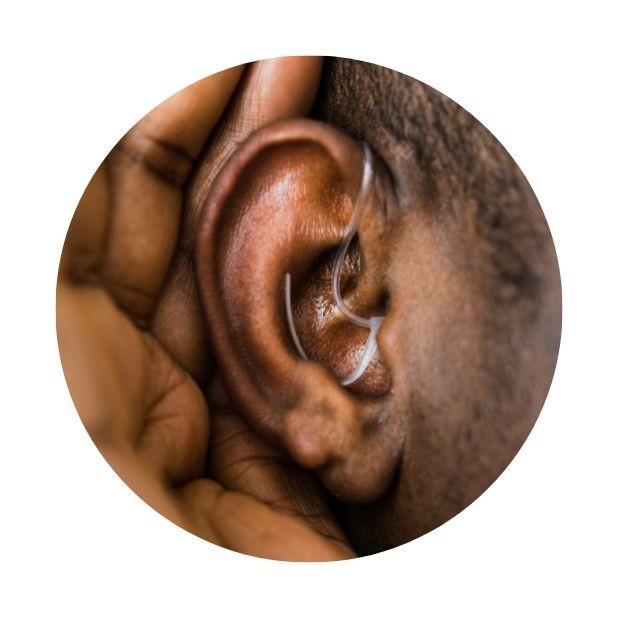
Hearing aid ranges available in the UK
We are an independent private hearing aid supplier that has access to the complete range of hearing aids that are currently available.
This includes everything from the premium models of the very newest hearing aid ranges to entry-level, older models.
One of the many reasons for choosing an independent private audiologist like us is that we can provide you with hearing aids from across the full range currently available, designed specifically for your type of hearing loss.
Due to the expertise of our audiologists, they can be even further tailored to your needs.
Whereas NHS hearing aids are limited by cost and so generally don’t include anything more than the most basic technology.
Private audiologists are able to find the exact hearing aid to suit your hearing loss, your lifestyle and environment and, if necessary, your budget.
Buying through an independent
Also, as previously mentioned, choosing an independent audiologist rather than one of the big chains of private audiologists means that they are, obviously, not tied to any particular hearing aid manufacturers.
Some of the big multi-national chains, even though they don’t advertise this, are affiliated with certain manufacturers and so will push you towards these, which could cause your hearing aid costs to rise and your choices to decrease.
Many manufacturers are now actively promoting independent audiologists by only providing the full versions of many of their hearing aid ranges to us independently.
However, it is only through independent audiologists that you can access the full version of the hearing aid with all of the available features enabled, such as Teleaudiometry (remote fine-tuning support carried out with your audiologist's involvement, not a substitute for in-person fitting).
If you were to buy the same device from one of the big multinationals, then you would probably end up paying more for a less advanced product.
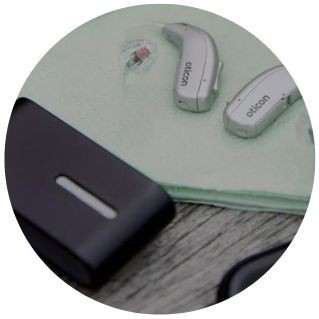
2026 Hearing Aid Prices Comparison Chart
What are the prices of different hearing aid styles?
How much does a single hearing aid cost, and how much are discreet hearing aids?
Please remember that the table below is a reference to our "starting from" hearing aid prices only. If you are doing hearing aid price comparison UK searches, you might want to compare our complete price list, as we offer prices up to 40% less than the high street.
Hearing aid price comparison graph for all hearing aid types
| Hearing Aid Style | Hearing Aid Price Each | Hearing Aid Price Pair | Link to Style |
| BTE hearing aid prices | £695 | £1195 | BTE hearing aids |
| RIC hearing aid prices | £695 | £1195 | RIC hearing aids |
| ITE hearing aid prices | £695 | £1195 | ITE hearing aids |
| CIC hearing aid prices | £696 | £1195 | CIC hearing aids |
| ITC hearing aid prices | £695 | £1195 | ITC hearing aids |
| IIC hearing aid prices | £695 | £1195 | IIC hearing aids |
| BICROS hearing aid prices | £795 | NA | BICROS hearing aids |
| CROS hearing aid prices | £795 | NA | CROS hearing aids |
"I'd rather fit someone with the right entry-level aid than talk them into a premium one they'll barely use half the features of. The exception is genuine complex hearing loss or a demanding lifestyle; then premium technology earns its price. It's never about the label on the box."
Paul Harrison, Audiology Expert & Founder, Hearing Aid UK
Why are hearing aid prices higher from an independent audiologist?
We can’t speak for all independent private audiologists; however, we can confidently say that we are nearly always significantly cheaper than buying the same hearing aid from one of the multi-national chains. And when we say "the same hearing aid," we actually mean the exact same model, not a suspiciously similar-sounding alternative.
Yet you are still getting the same, or quite often better, level of personalised individual service from one of our qualified local audiologists. In fact, because our audiologists aren't juggling appointments in busy high street shops, you often get more time and attention, not less.
How is this so?
Firstly, as a network of independent audiologists, we don’t have the large overheads of running big shops crammed with sales staff, and we also save on pricey marketing campaigns. We're not paying for prime retail space on every high street, massive advertising budgets, or layers of corporate management.
However, we still have the same level of buying power as the big chains because we are buying on behalf of our whole nationwide network of audiologists.
This means that you can get the very best choice of hearing aids, with the full level of personal service from experienced and qualified audiologists at the very best hearing aid prices. Plus, with free home visits as standard, you're getting a level of convenience that the big chains often charge extra for - if they offer it at all.
The right local audiologist is key
Many people have put off the thought of using a private audiologist because they are concerned about ensuring that they are practising to the very highest professional standard. You may think that choosing a big chain will guarantee you service.
However, by finding your independent audiologist through Hearing Aid UK, you can be assured that every one of our members is regulated by the Health and Care Professionals Council. We also offer a full 60-day money-back guarantee if, for any reason, you aren’t happy with your hearing aid – although we are sure that you will be!
A free NHS hearing aid may be perfectly sufficient for your needs, but remember that you are sacrificing the speed of service and the dedicated ongoing aftercare available from private audiologists.
So if you want to dedicate your resources to ensure that you give your hearing the very best treatment possible, then it may be worth spending a little more and seeking the advice of an independent private audiologist with us.

Hearing Aid Devices Prices UK
Hearing aid brands and prices for 2026
Comparing the hearing aid market online
If you are researching hearing aid costs in the UK, it is always beneficial to compare the prices of hearing aid companies and the brands available in today's market. Finding the right solution to hearing loss can be very confusing.
If you are considering purchasing digital hearing aids, then please compare our services. Click on the links below to discover more.
Why should I buy hearing aids?
Purchasing hearing aids is an investment you can't put a price tag on, as they greatly improve your quality of life, relationships, and overall health and well-being.
This starts with finding the right audiologist who will understand your unique hearing loss and take your financial situation, along with other factors, into account when recommending the right hearing aid for you.
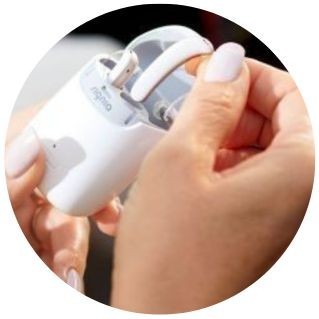
Is it safe to buy hearing aids online?
Off-the-shelf hearing aid costs and information
An introduction to online hearing aids
With the advent of digital hearing aid technology, there are now a number of companies that provide what is essentially a mail-order service for hearing aids online. These hearing aids are purported to feature a range of digital technologies, and they arrive supposedly pre-programmed, ready for you to just switch on and wear.
Now, we need to talk about this carefully, because whilst we understand the appeal of a cheaper option, there are some significant concerns here.
Off-the-shelf hearing aid prices
Some users may see off-the-shelf hearing aids as a much more affordable way to buy a hearing aid than going to a private audiologist, with some off-the-shelf hearing aids starting at just £99 per aid and top prices coming in at around £500 per aid.
However, unfortunately, these lower prices come with a number of negative factors attached. And whilst we're not here to scaremonger, we do think it's important you understand what you might be giving up for that lower price.
How do off-the-shelf hearing aids work?
Unlike NHS hearing aids or hearing aids purchased from private audiologists, which are fitted and programmed to your specific requirements, off-the-shelf aids only do exactly what they say on the tin.
Most companies have websites upon which you can browse through their range of hearing aids before selecting the one that you think is right for you, adding it to your cart, checking out and then a few days later, the hearing aids will arrive in the post, and you are ready to go.
Off-the-shelf hearing aids are marketed as being pre-programmed to suit the most common types of mild to moderate hearing loss, especially those caused by the natural ageing process, where people tend to experience more problems hearing higher frequencies than they do hearing lower-frequency sounds.
Their technology is focused on simply amplifying some of these higher-frequency sounds. However, the benefit of selecting the hearing aid lies firmly with the customer, as you are not getting the services of a qualified audiologist to help identify your specific type and level of hearing loss.
Where can I buy an off-the-shelf hearing aid?
You can buy an off-the-shelf hearing aid without even having had a hearing test. If you have had one, then it is unlikely to be of any use without the services of a qualified audiologist to interpret the results.
Buying an off-the-shelf hearing aid without a professional assessment carries some of the same risk as any health product bought without expert guidance; you may not get the right level of support for your specific type of hearing loss.
Off-the-shelf hearing aid options
Different off-the-shelf hearing aid companies offer varying levels of range and choice. However, in general, your choice will probably be much more limited than if you go to a private audiologist.
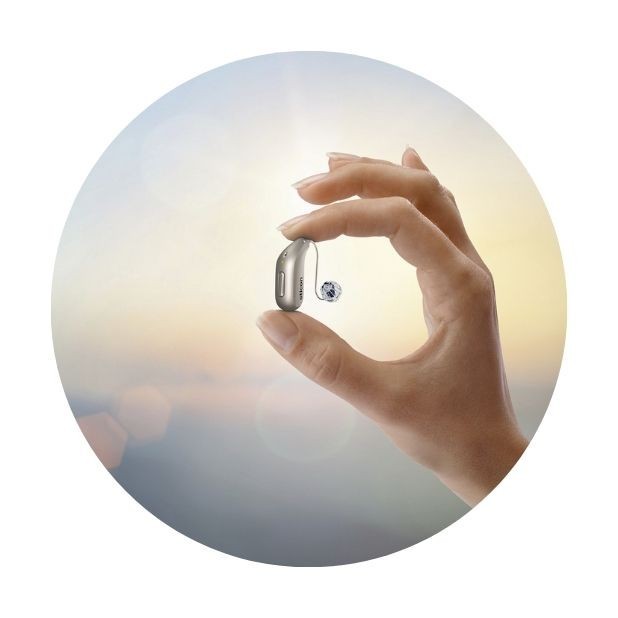
Why are off-the-shelf hearing aid prices so cheap?
Off-the-shelf hearing aid prices are lower than those from private audiologists because you're not paying for the knowledge, expertise and personal service of a qualified audiologist.
You are simply purchasing your hearing aid as it has arrived from the manufacturer, without being able to get it adjusted to your requirements.
Companies that supply off-the-shelf hearing aids also do not have the overhead costs of shops and sales staff to cover the hearing aid prices that you pay.
Off-the-shelf hearing aid manufacturers tend to only supply this type of hearing aid; you will not be able to buy an off-the-shelf hearing aid from any of the same manufacturers who supply the NHS or private audiologists.
Are there any hidden prices?
Depending on the company from which you buy your off-the-shelf hearing aids, there could be several costs to pay on top of the price of the hearing aid itself.
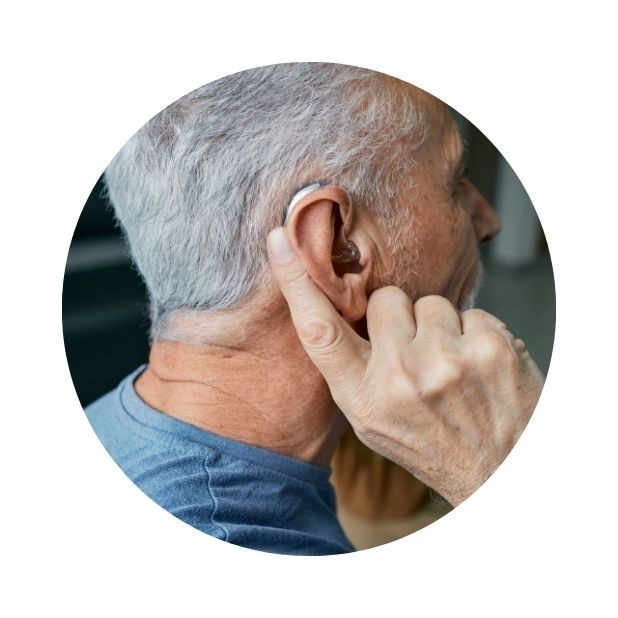
Some hearing aids will come with around a 12-month manufacturer warranty, but outside of this, you will have to pay for any repairs, servicing, batteries and any further aftercare that you will require yourself.
Making your decision: What matters most?
At the end of the day, hearing aid prices are just one part of a much bigger picture. What matters is finding a solution that works for you - not just technically, but practically, financially, and emotionally.
We've seen people transform their lives with hearing aids at every price point on this page. We've also seen people struggle with premium aids that weren't quite right for them, or off-the-shelf options that ended up gathering dust in a drawer.
The difference? Having the right advice from someone who genuinely understands your hearing, your lifestyle, and your concerns. Someone who'll visit you at home if that's easier.
Someone who'll still be there in three years when you need an adjustment. Someone who's transparent about costs from day one.
That's what we do, and frankly, we think that's how it should always be done.
Hearing Aid Centres in the UK
Want to know more about where to buy hearing aids and prices?
What if off-the-shelf hearing aids don't work for me?
As we know, with most online purchases, there is always a worry that your off-the-shelf hearing aid won’t work for you. How many times have you ordered something that looks amazing on the website, only to find out that it’s not quite the same in the flesh? Inevitably, this is a risk that you run when choosing to buy an off-the-shelf hearing aid.
However, most reputable companies will offer around a 30-day returns policy, where you can simply send your hearing aid back if it isn’t working out. If you think that buying an off-the-shelf hearing aid could be the right option for you, then, in all honesty, we would advise that you think again.
The best-case scenario is that some sounds may be amplified for you, but there's a real risk you'll end up with a product that isn't matched to your specific hearing loss and doesn't help as much as you'd hoped. If money is a deciding factor for you, then we would recommend going to the NHS rather than risking an off-the-shelf hearing aid.
However, choosing a hearing aid from a private audiologist will always give you access to the best choice of hearing aids with the greatest levels of technological advancement and with the highest levels of personalised ongoing care.
Summary
Overall, hearing aid prices can vary widely; therefore, it's a good idea to speak with an audiologist to determine the best options for your specific needs and budget.
They can help you understand the costs involved and explore different budget options that may be more accessible to you. You can research further by clicking on one of the links below:
Hearing Aid Prices and Costs in 2026
Need more information about our hearing aid prices?
If you've read this far, you're probably weighing up your options and trying to work out what makes sense for you. That's completely normal - it's a significant decision, both financially and for your quality of life.
If you have any questions on anything we have discussed on this page, or maybe something we haven't covered, like invisible hearing aid prices or the cost of hearing aids for tinnitus. Or perhaps you would like solutions to any other hearing healthcare queries. Please call one of our audiologists free on 0800 567 7621


Our specialist service includes:
Do not spend hundreds of pounds without getting a second opinion from us.
Please call us on 0800 567 7621
 Not only are the prices great, but the service is fantastic! Many thanks to your team.
Why choose Hearing Aid UK to help you find the best hearing aids for you?
What's included in our hearing aid prices?
Other pages you might find useful
FAQs
In general, any audiologist will always recommend to you the hearing aid model that best suits your needs. Here is a useful checklist to make sure that is the case.
- Audiologist's level of knowledge: The audiologist you have seen will hopefully have a wide knowledge of all available hearing aids; however, some will only be familiar with a small number of brands and, therefore, may not really be in a position to know which model is the best for you. It is OK to challenge their recommendation and ask them to justify why this particular brand is the one for you.
- Do research: Read about the hearing aid that was recommended. Does it seem like it will suit your lifestyle? Does it have more or fewer features than you need?
- Be aware of sales targets: Many high street retailers have specific tie-ins to a particular manufacturer/brand. The hearing aid they have suggested may still be the correct one for you, but do your research so that you know why they might have recommended it. You can read our best hearing aids of this year here
If you have significant hearing loss in both ears, you should be wearing two hearing aids. Here are the audiological reasons why:
Localisation: The brain decodes information from both ears and compares and contrasts them. By analysing the minuscule time delays as well as the difference in the loudness of each sound reaching the ears, the person is able to accurately locate a sound source.
Simply put, if you have better hearing on one side than the other, you can't accurately tell what direction sounds are coming from.
Less amplification is required: A phenomenon known as “binaural summation” means that the hearing aids can be set at a lower and more natural volume setting than if you wore only one hearing aid.
Head shadow effect: High frequencies, the part of your hearing that gives clarity and meaning to speech sounds, cannot bend around your head. Only low frequencies can. Therefore, if someone is talking on your unaided side, you are likely to hear that they are speaking, but be unable to tell what they have said.
Noise reduction: The brain has its own built-in noise reduction, which is only really effective when it is receiving information from both ears. If only one ear is aided, even with the best hearing aid in the world, it will be difficult for you to hear in background noise as your brain is trying to retain all of the sounds (including background noise) rather than filtering them out.
Sound quality: We are designed to hear in stereo. Only hearing from one side sounds a lot less natural to us.
Fancy some further reading on this topic? You can read about why two hearing aids are better than one in our article, hearing aids for Both Ears, here
For most people, the main benefit of a rechargeable hearing aid is simple convenience. We are used to plugging in our phones and other devices overnight for them to charge up. Here are some other pros and cons:
For anybody with poor dexterity or issues with their fingers, having a rechargeable aid makes a huge difference, as normal hearing aid batteries are quite small and some people find them fiddly to change.
One downside is that if you forget to charge your hearing aid, then it is a problem that can't be instantly fixed. For most, a 30-minute charge will get you at least two or three hours of hearing, but if you are the type of person who is likely to forget to plug them in regularly, then you're probably better off with standard batteries.
Rechargeable aids are also a little bit bigger and are only available in Behind-the-Ear models.
Finally, just like with a mobile phone, the amount of charge you get on day one is not going to be the same as you get a few years down the line. Be sure to ask what the policy is with the manufacturer's warranty when it comes to replacing the battery.
For most people, the answer is yes. But it's never that simple.
The majority of hearing problems affect the high frequencies a lot more than the low ones. Therefore, open fitting hearing aids sound a lot more natural and ones that block your ears up can make your own voice sound like you are talking with your head in a bucket. Therefore, in-ear aids tend to be less natural.
However, the true answer is we can't tell until we have had a look in your ears to assess the size of your ear canal, and until we have tested your hearing to see which frequencies are being affected.
People with wider ear canals tend to have more flexibility, also there are open fitting modular CIC hearing aids now that do not block your ears.
There is also the age-old rule to consider, that a hearing aid will not help you if it's sat in the drawer gathering dust. If the only hearing aid you would be happy wearing is one that people can't see, then that's what you should get.
Most people can adapt to any type of hearing aid, as long as they know what to expect. Have an honest conversation with your audiologist as to what your needs are.
Generally speaking, six or more. Unless it's none at all. The number of channels a hearing aid has is often a simplistic way an audiologist will use to explain why one hearing aid is better than another, but channels are complex, and it is really not that straightforward. Here are some reasons why:
Hearing aids amplify sounds of different frequencies by different amounts. Most people have lost more high frequencies than low, and therefore need more amplification in the high frequencies. The range of sounds you hear is split into frequency bands or channels, and the hearing aids are set to provide the right amount of hearing at each frequency level.
Less than six channels, and this cannot be done with much accuracy, so six is the magic number. However, a six-channel aid is typically very basic with few other features and is suitable only for hearing a single speaker in a quiet room. The number of channels is not what you should be looking at; it's more the rest of the technology that comes with them.
As a final note, different manufacturers have different approaches. One method is not necessarily better than any other. For example, some manufacturers have as many as 64 channels in their top aids. Most tend to have between 17 and 20. One manufacturer has no channels at all.
Manufacturer's warranties typically last between 2-5 years, depending on the brand and model, and cover defects in materials and workmanship. This includes repairs for component failures, electronic malfunctions, and manufacturing defects, but excludes damage from misuse, accidents, or normal wear. Most manufacturers also include loss and damage insurance for the first year.
We handle all warranty claims on your behalf, liaising with manufacturers and ensuring you get replacement devices quickly when needed. This comprehensive warranty coverage, combined with our lifetime aftercare, gives you complete peace of mind. Find out more about our warranty cover here
Our hearing tests are completely free, whether at our clinics or in your home. Unlike other providers who charge £30-£100 for home visits, we believe hearing healthcare should be accessible without financial barriers. Our comprehensive assessments include examination by an HCPC-registered audiologist, audiogram results, and personalised recommendations.
All testing, future adjustments, and ongoing support are included at no extra cost. While NHS tests are also free, typical 6-week waiting periods often lead people to seek immediate private testing. We provide prompt, professional assessments that fit your schedule and budget.
Yes, we offer completely free home visits throughout the UK, and this service is included in our prices with no additional charges. Home visits are particularly valuable for people with mobility issues, busy schedules, or those who simply prefer the comfort and convenience of their own environment.
Our audiologists can conduct full hearing tests, fit hearing aids, and provide ongoing support in your home. This service sets us apart from many providers who either don't offer home visits or charge extra for them.
We can offer prices up to 40% lower than high street retailers because of our business model. As a network of 200+ independent audiologists, we don't have the massive overheads of large retail chains - no expensive high street premises, no sales targets pushing audiologists to sell the most expensive options, and no costly marketing campaigns.
However, we maintain the same buying power as the big chains because we purchase on behalf of our entire nationwide network. This means you get access to the same premium hearing aids with professional service, but at genuinely competitive prices.
We offer a comprehensive 60-day money-back guarantee, which gives you twice the industry standard time to properly assess whether your hearing aids are right for you. This extended period recognises that adjusting to hearing aids takes time, and your brain needs several weeks to adapt to the amplified sounds.
Unlike many providers who offer just 30 days, we believe 60 days gives you the confidence to test your hearing aids in all the situations that matter to you - from quiet conversations at home to busy restaurants and outdoor activities.
Ask the Experts

Get free independent impartial advice from the experts you can trust. We offer nationwide coverage and huge savings on all our hearing aids.
6 Morton Lane
Walkwood
Redditch
Worcestershire
B97 5QA
Latest Launch
When we refer to a product as 'Latest Launch', we mean it is the latest to be released on the market.
New
When we refer to a product as 'New', we mean that the product is the newest hearing aid model on the market.
When we refer to a product as 'Superseded', we mean that there is a newer range available which replaces and improves on this product.
Older Model
When we refer to a product as an 'Older Model', we mean that it is has been superseded by at least two more recent hearing aid ranges.